

Florida law to require EKG screenings for high school athletes: Here's when it goes into effect
ST. PETERSBURG, Fla. - Doctors in Tampa Bay are emphasizing the importance of pediatric heart health, as a new Florida law aims to help prevent sudden cardiac arrests.
Florida is now the first in the nation to require high school athletes to get an electrocardiogram (EKG) screening, also known as an ECG, in order to participate in sports, beginning in the 2026-2027 school year.
The backstory:
Starting next school year, students in grades 9–12 in Florida will need an ECG screening the first time they participate in an athletic competition. This requirement is part of the "Second Chance Act," which was passed by Governor Ron DeSantis.
READ MORE: New Florida law requires heart screenings for high school athletes. Here's what to know
The screenings must follow standards set by the state's Sports Medicine Advisory Committee, and any ECG done within two years prior to the start of the 2026-27 school year will count.
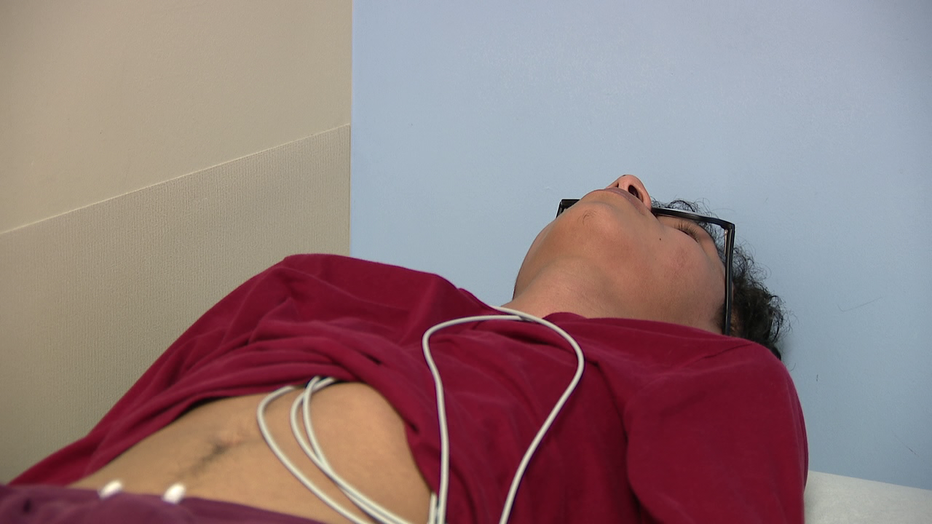
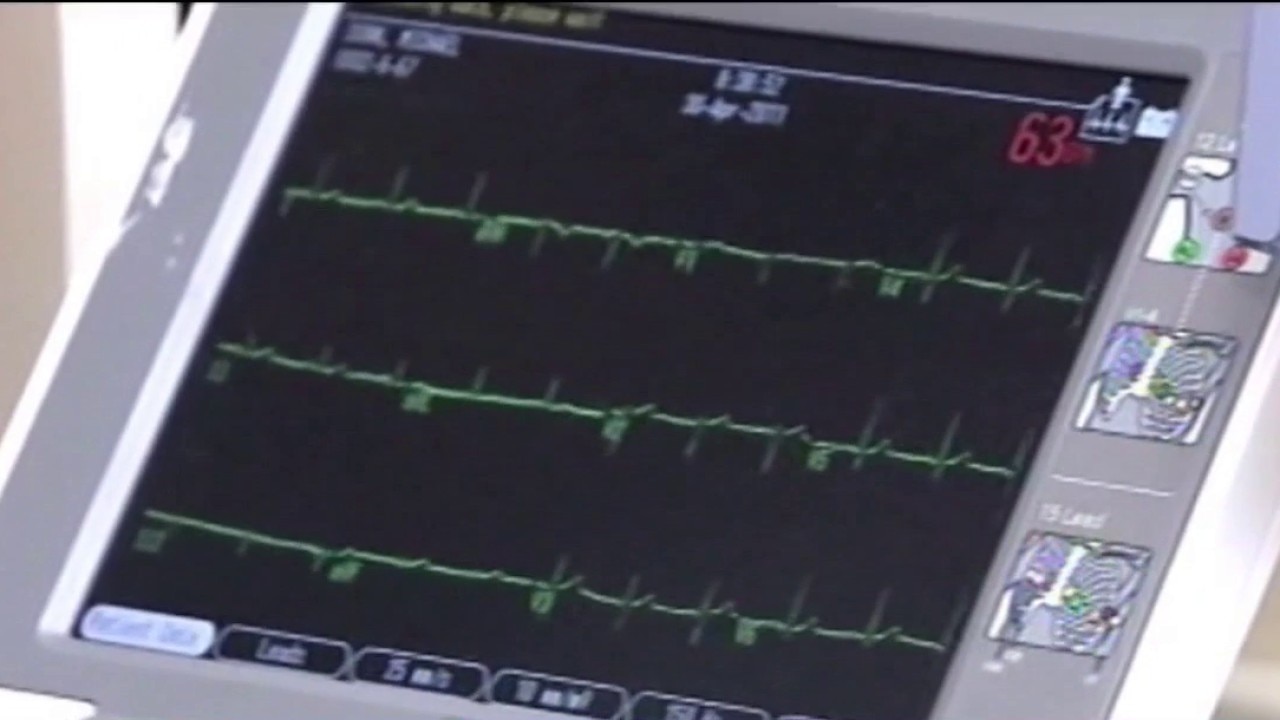
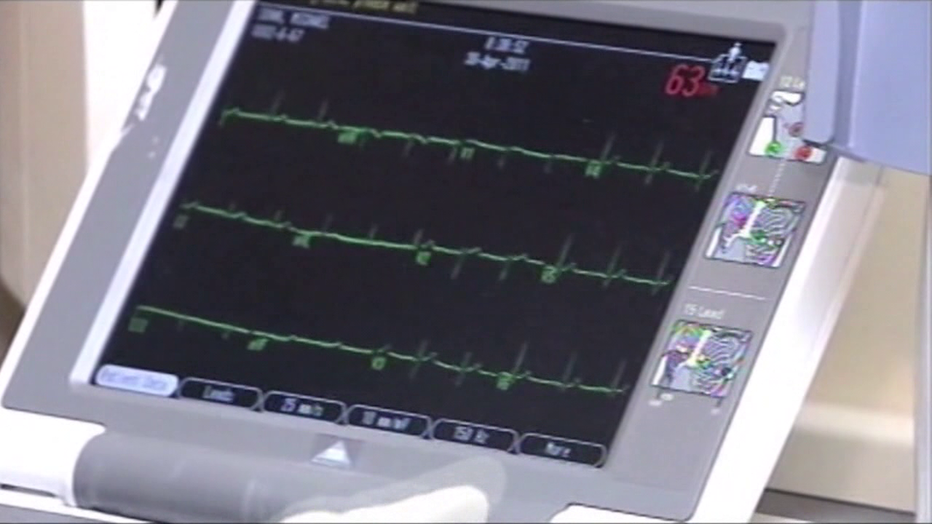
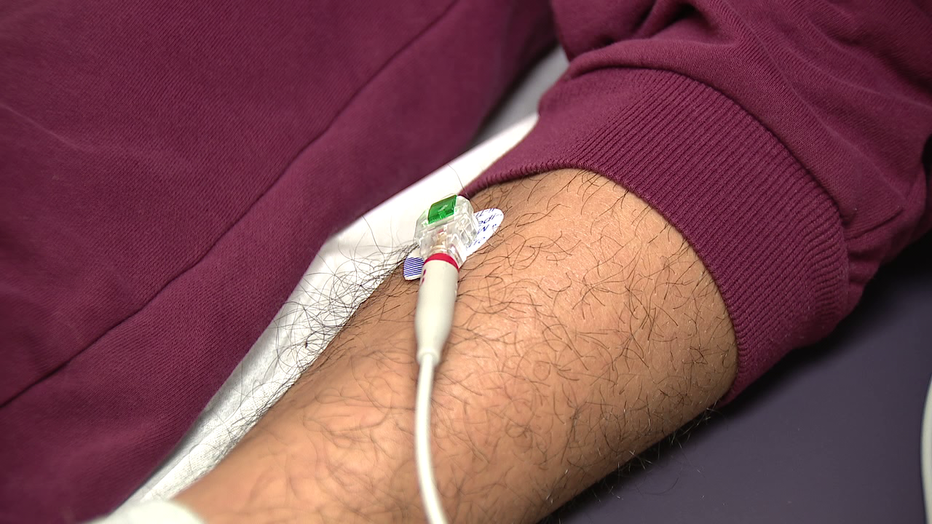
"An electrocardiogram, it's a test that we perform where there are little electrodes that are placed on the skin in various parts of the chest and the arms and legs, and these create an electrical kind of impulse in the heart," Dr. Jamie Decker, the director of electrophysiology at Johns Hopkins All Children's Hospital, said. "And so, when there are abnormalities in either the heart muscle or the way the electrical system in the heart works, you can see that on the ECG. And this may not be something you feel."
Decker says these are quick, non-invasive screenings.
What they're saying:
"You can have a totally abnormal ECG and never know it because you don't have any symptoms," Decker said. "And the first symptom may be a sudden cardiac arrest as a symptom, as a first symptom."
Decker says an ECG can help detect a potential cardiovascular disease before it becomes deadly. He says some of the symptoms can manifest when kids are playing active or high-intensity sports.
"Some of these children may be asymptomatic, meaning they don't have any symptoms related to the cardiovascular system, things like chest pain or palpitations, which are fast heartbeats or passing out, but yet, they still may have an underlying heart disease," Decker said.
Doctors are also seeing more children with health issues that can take a toll on their heart.
READ: Bay Area mom credits Pasco County school staff's quick response, AED for saving son's life
"What we're seeing are, kids are struggling more with diabetes and being overweight and high blood pressure at a younger age," Decker said.
Decker says an ECG screening won't completely eliminate the risk of a sudden cardiac arrest, but it can help prevent it.
"If you know that they have the heart disease ahead of time, you can prepare for that, put them on medications or other things and prevent it from happening," Decker said.
Big picture view:
Doctors also emphasized the importance of CPR training and the use of an automated external defibrillator (AED).
House Bill 1607 was passed last year that requires all public and charter schools in Florida to have at least one AED on school grounds by July 1, 2027.
Decker says they're working with schools in the area to help train teachers and staff.
"It involves not just using AED, not just having AEDs, but recognition of when someone has a sudden cardiac arrest, what that looks like, applying, like I said, prompt, early, effective CPR and AED application, meaning that it has to be accessible, they have to be able to bring it, put it on the patient, and kind of the best practice is within three minutes of the arrest for best outcomes," Decker said.
The Source: Information came from Florida law and an interview conducted with a doctor from Johns Hopkins All Children's Hospital.