

Digital disaster toolkit: Florida experts share tips for surviving online outages
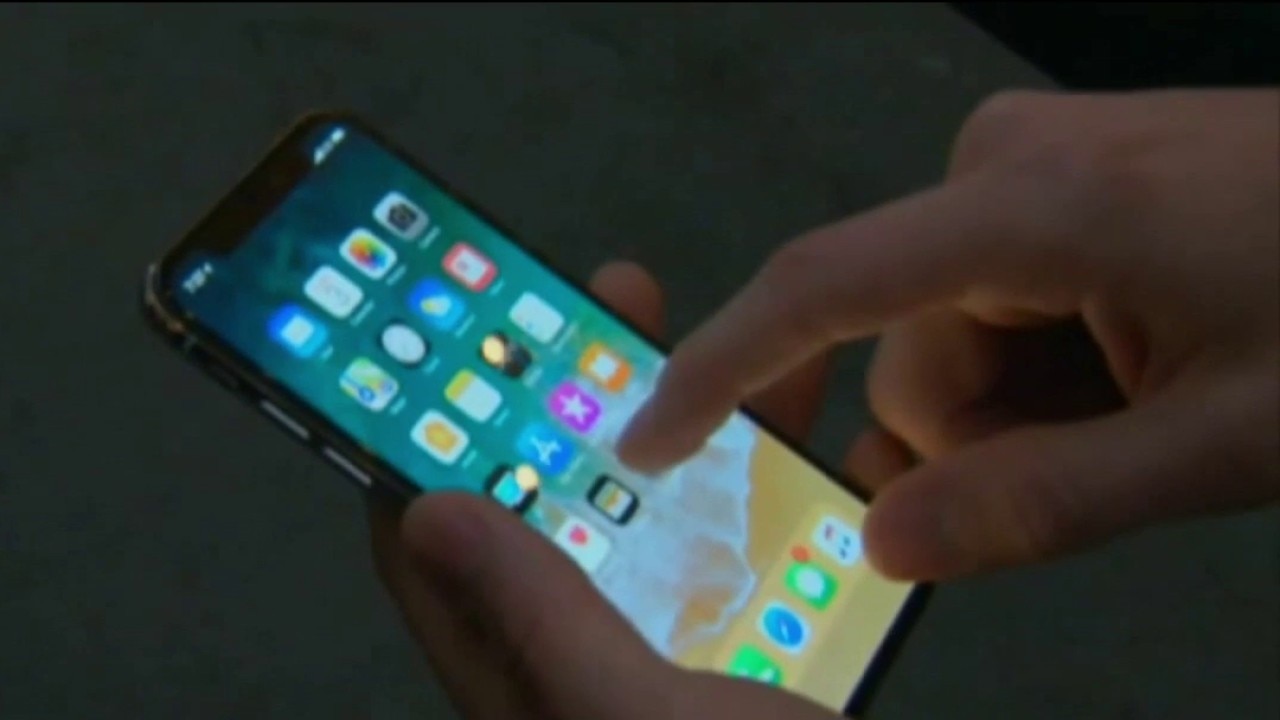
Setting up digital disaster toolkits
All of the online outages this past week might have you second guessing some things, like if you'd make it through a digital blackout if one or more of these systems went down again. FOX 13's Briona Arradondo reports.
TAMPA, Fla. - Recent online outages have left many Florida residents questioning how they would function during a total digital blackout, prompting cybersecurity experts to recommend creating an analog backup kit similar to a hurricane preparedness kit.
Florida cybersecurity backup essentials
What we know:
Cybersecurity specialists suggest starting your preparation with family communication plans in case cellphone service becomes spotty. You should memorize or write down critical addresses and phone numbers for spouses, your children’s schools and emergency contacts, along with establishing a physical meeting location.
Chris Nyhuis, the CEO of Vigilant Defense, relies on a three-tiered communication strategy for his own household.
"For us, we have our cellphones. Across cellular, that's primary. Second is, everyone in my family knows how to use the satellite function on an iPhone, right? So, if your cell towers are down, the third one is we have a communication device called rapid radios. It communicates over cell towers. If Verizon's down, but other cell carriers are up, it will use those other carriers when we communicate," Nyhuis said.
Beyond communication, Nyhuis recommends keeping physical maps of your local area and extra cash on hand. He also advises keeping physical keys available to access your home or vehicle in case smart locks or internet-connected entry systems fail.
Protecting accounts and passwords
What you can do:
Experts recommend gathering paper copies of vital financial and personal documents before an outage strikes. According to a Clearwater-based specialist with KnowBe4, residents should write down bank account numbers and insurance details.
Ben Syn, the director of university and career education at KnowBe4, notes that while writing down passwords at work is risky, keeping a physical copy at home serves a vital purpose.
"Your passwords. Now, we say don't write them down. Typically, it's bad to have a password on your computer at work. But if you have a little book in a lock box with your master password for your one password or for your password manager is fine, because sometimes your spouse or your children might need access to that. And you might be unconscious or unavailable," Syn said.
You should also record backup codes for your email and other critical accounts. Because most platforms require two-factor authentication, having these offline codes ensures you can still verify your identity and regain access.
Avoiding post-outage tech scams
What we don't know:
While experts advise building these analog backups gradually and keeping them updated, officials have not yet confirmed the total number of Floridians targeted by scammers exploiting the recent service disruptions. However, the Better Business Bureau warns that fraudsters actively look for opportunities to trick people who are trying to get back online via unsolicited texts or emails.
Bryan Oglesby, a spokesperson for the Better Business Bureau of West Florida, urges consumers not to engage with suspicious messages.
"Leave that scenario and go directly to those organizations' websites. Look at the number on the back of your billing or on the government's website and call them directly from the number you know and trust," Oglesby said.
The Source: The information in this story was gathered from FOX 13’s Briona Arradondo, who interviewed cybersecurity experts Chris Nyhuis of Vigilant Defense and Ben Syn of KnowBe4, as well as Bryan Oglesby, spokesperson for the Better Business Bureau of West Florida.