

FDA targets 'legal morphine' kratom compound in push for regulation

TAMPA, Fla. - The U.S. Food and Drug Administration announced new action Tuesday to classify "7-hydroxymitragynine" – often called "7-OH" – as a Schedule I controlled substance.
What we know:
This classification would place it alongside drugs like heroin and LSD, making its sale and possession illegal.
READ: Tampa Bay area officers tackle mental health crisis among law enforcement peers
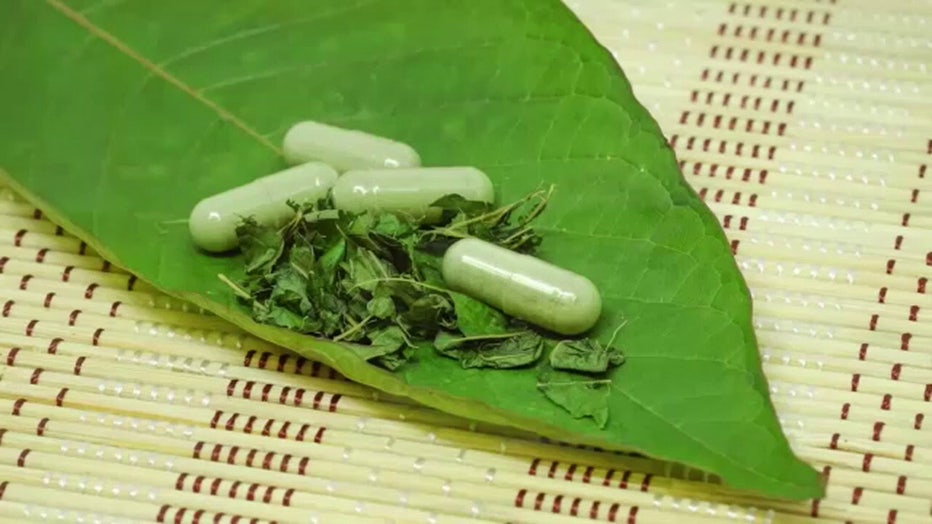
The compound is found in some enhanced kratom products and is sold at gas stations and smoke shops in forms like candy-flavored gummies, shots and vapes. While kratom is derived from a Southeast Asian coffee plant, 7-OH is a synthetic extract known to be far more potent.
FDA Commissioner Dr. Marty Makary called the compound "an opioid by scientific definition," saying it binds to neuro-receptors in the brain in the same way morphine does.
The other side:
Critics of the FDA’s move argue there is no current evidence linking 7-OH to any overdose deaths, and believe it could actually help some Americans recover from opioid addiction. Jeff Smith with HART pointed to data showing a 30% drop in opioid overdoses in Florida last year, where 7-OH usage is reportedly high.
What's next:
The DEA will now review the FDA’s recommendation and scientific evidence. A final ruling could take several months and will include a public comment period, likely lasting 30 to 60 days.
The Source: This story is based on information from the U.S. Food and Drug Administration’s public announcement, expert interviews conducted by FOX 13, and statements from advocacy groups including the American Kratom Association and HART.