

Florida Poly team develops new tech that can detect microplastics, nanoplastics in water
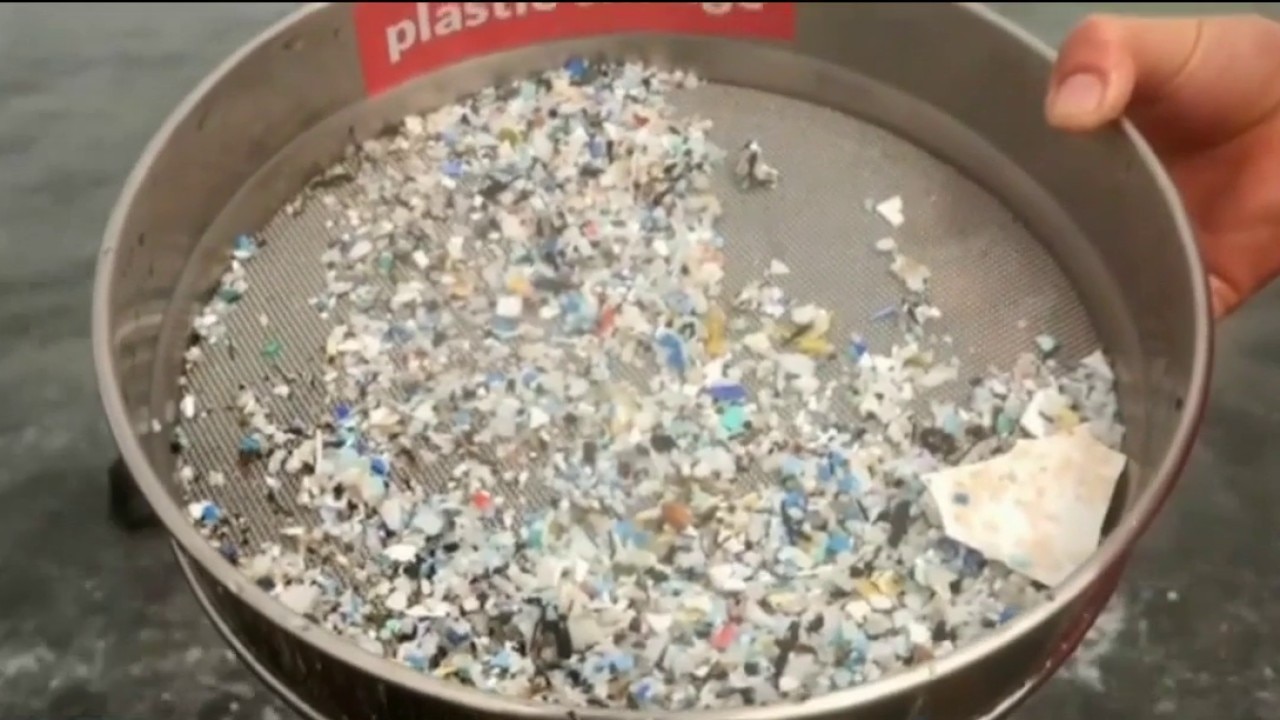
New sensor reveals hidden microplastics in water
Plastic pollution is a problem all around the world, especially microplastics which can affect the environment and human health. FOX 13's Carla Bayron reports.
LAKELAND, Fla. - Plastic pollution is a problem all around the world, especially microplastics, which can affect the environment and human health.
Plastic use is increasing, which produces more and more microplastics in daily life, which can be as small as the width of a red blood cell. Nanoplastics are even smaller and can only be seen with a powerful microscope.
"We have investigated it in air, water and food and, as a human, I consume all these three things. Science has demonstrated the presence in microplastics in the human body," said Dr. Ajeet Kaushik, an Associate Professor of Chemistry. "Not only that, the side effects on health have been reported by so many countries, so that's why we pay attention to the detection of microplastics."
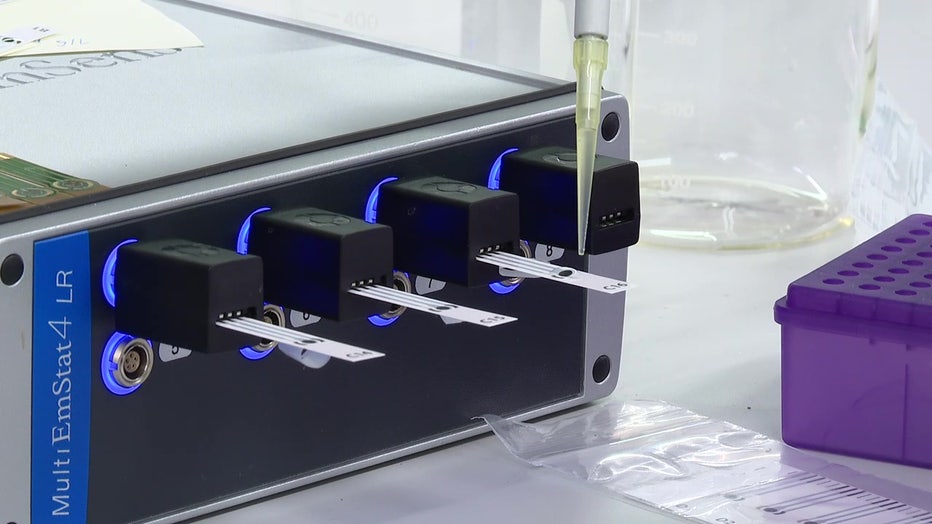
Dr. Kaushik and his team at Florida Polytechnic University developed a new technology: A modified, smart and simple, electrochemical sensor that can detect these particles using just a drop of water.
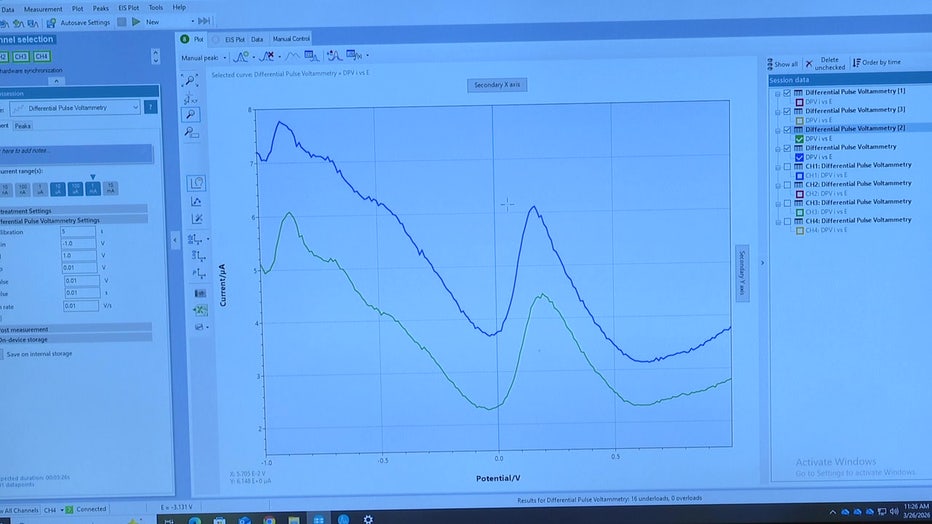
And all it takes is 10 to 15 minutes for the data to pop up on the smartphone, which can conveniently be used out in the field and can share data rapidly.
Their work earned them a U.S. patent and a publication in an international journal.
What they're saying:
"To be able to work in a lab where we can find a solution we need right now to make better, faster and cheaper products to help solve the world's issues, I love that," said Daniel Fellows, a student research assistant.
"I've always known about the dangers of microplastics and how the environment needs saving, so being an initiative to push that type of technology to make a chance is really great and feels awesome," said Christian Mendez, another student research assistant.
What's next:
Kaushik says companies and agencies focused on water quality-based research can use this technology.
The team is working on using the technology to detect other things such as testosterone in saliva and PFAS, which is another huge health concern.
The Source: This article was written with information from Florida Polytechnic University.