

Florida caregivers struggle amid disability services waitlist: 'No one should ever experience this'
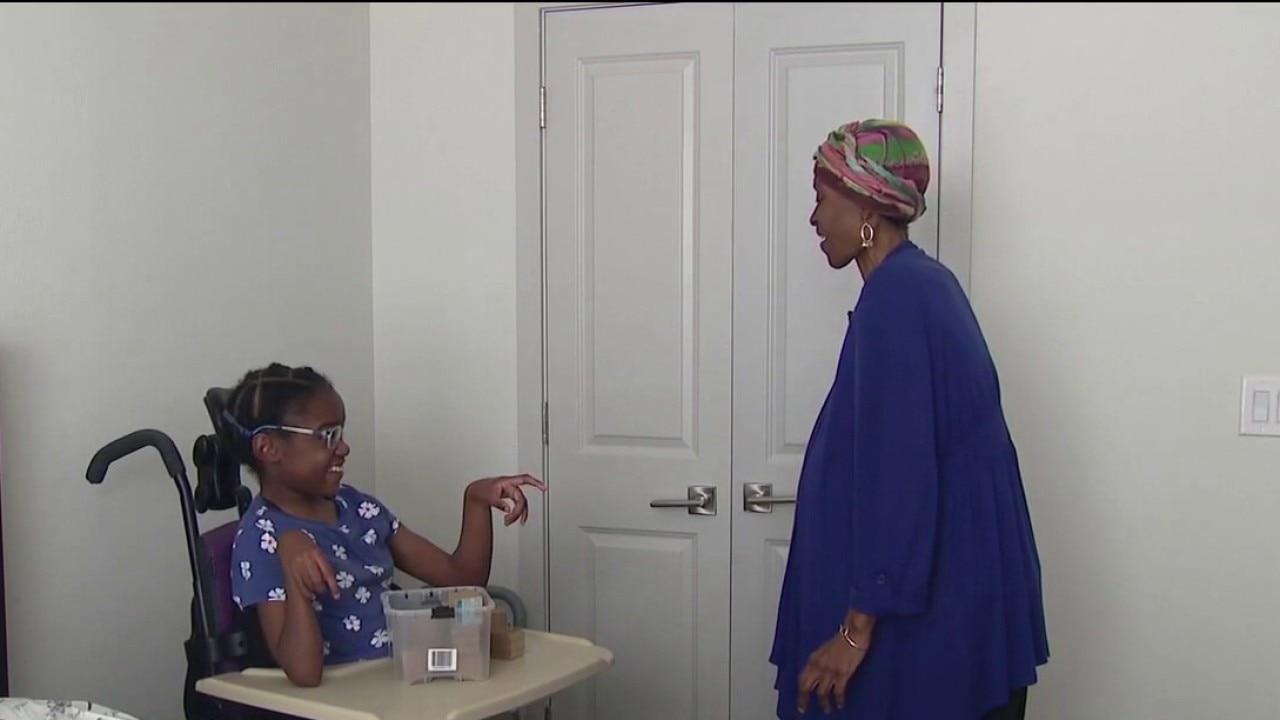
Caregiver crisis exposes Florida disability care
Thousands of eligible Floridians face years-long waitlists for in-home disability care, forcing families to either institutionalize loved ones or endure extreme hardship to qualify for faster help. FOX 13's Craig Patrick investigates.
TAMPA, Fla. - Families of individuals with severe disabilities have a choice. They can send their loved ones to Medicaid-funded institutions or receive a waiver for tailored nursing and support services at home.
However, systemic backlogs mean that choosing home-based care leaves families waiting for years. To bypass this waitlist, caregivers must prove to the state that they are in an active crisis. Yet the state's threshold for a crisis may require families to lose their homes, suffer extreme medical emergencies or face destitution before aid is unlocked.
Local perspective:
Nataisha Clay, of Temple Terrace, chose to keep her daughter, London, at home as they continue to wait for home-based services.
London, 15, is paralyzed, and her brain did not fully develop. The strain of unassisted caregiving has exacted a devastating physical and financial toll on Clay. Following a stroke, Clay developed an enlarged abdominal tumor and fluid around her heart. Desperate, she filed a crisis claim to expedite state help. The state denied it, reasoning that London’s health had not declined and they still had a home.
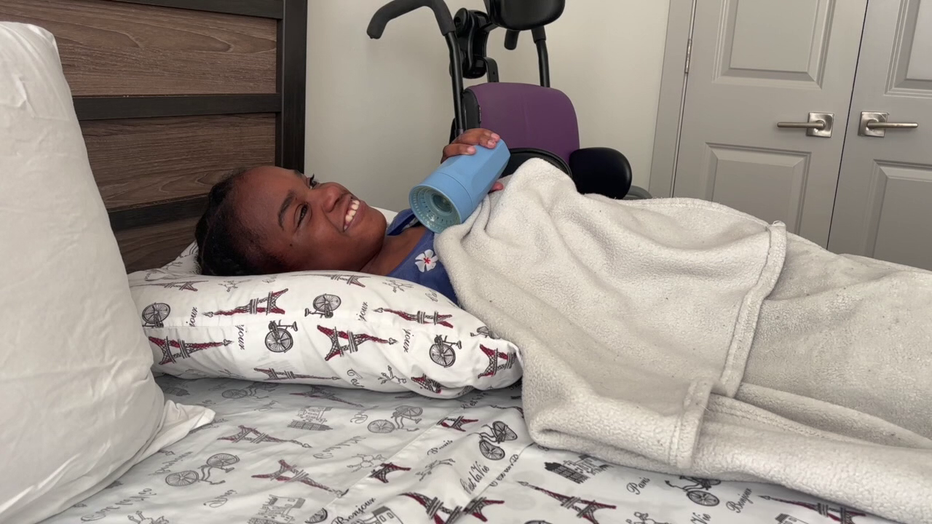
Clay lost her job. After the denial, just before Christmas in 2025, the family was evicted. Having lost almost everything they owned, they are currently living in an apartment of someone in Fort Myers who offered temporary lodging. To keep London enrolled in her Tampa school, Clay — despite her severe medical ailments — drains her temporary assistance funds on gas, driving 320 miles round-trip for London’s schooling.
Dig deeper:
For years, FOX 13 has documented cases of families waiting until the point of breakdown. In Carrollwood, Denie Sidney became the full-time caregiver for her daughter Mattison, who is blind, hearing impaired and lives with rare brain conditions. The family was cut off from Medicaid because Sidney’s husband earned $20 over the income limit bagging groceries.
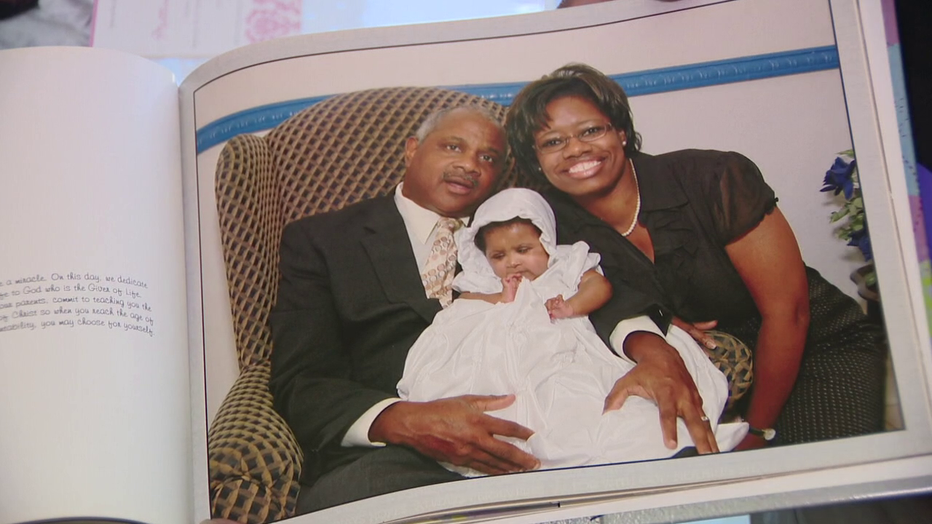
After Sidney’s husband died, she broke under the relentless strain of solo caregiving and checked herself into an in-patient mental hospital. Only then — after a severe mental health crisis had occurred — did the state provide the home-based support Mattison needed.
When caregivers like Sydney suffer severe health emergencies and require hospitalization, taxpayers end up footing the bill for expensive in-patient medical care and medication.
The financial paradox
"I think of all the money you could have saved because they had to pay for my in-patient stay, the aftercare from in-patient stay, the medication," Sidney said.
The personal toll
"That's so heartbreaking to know that I may not be able to take her [London] out today. Even if I tell her, she doesn't understand why," Clay said, reflecting on her failing health. "I don't even know how I got here... No one should ever experience this. No one."
What's next:
While thousands of families face eviction, hospitalization and endless waitlists, there is a significant pool of unspent support. The next chapter of this series will reveal the money intended to help reduce the waitlist that the state government has not spent.
The Source: This report is the second installment of an ongoing investigation into Florida’s disability care system and APD backlogs by FOX 13 Chief Investigator Craig Patrick. The information is sourced from direct, longitudinal reporting, including on-camera interviews with the Clay and Sidney families.