

Lakeland, Sarasota, and Tampa rank in Top 30 'U.S. Allergy Capitals'
Spring allergies in Tampa Bay area
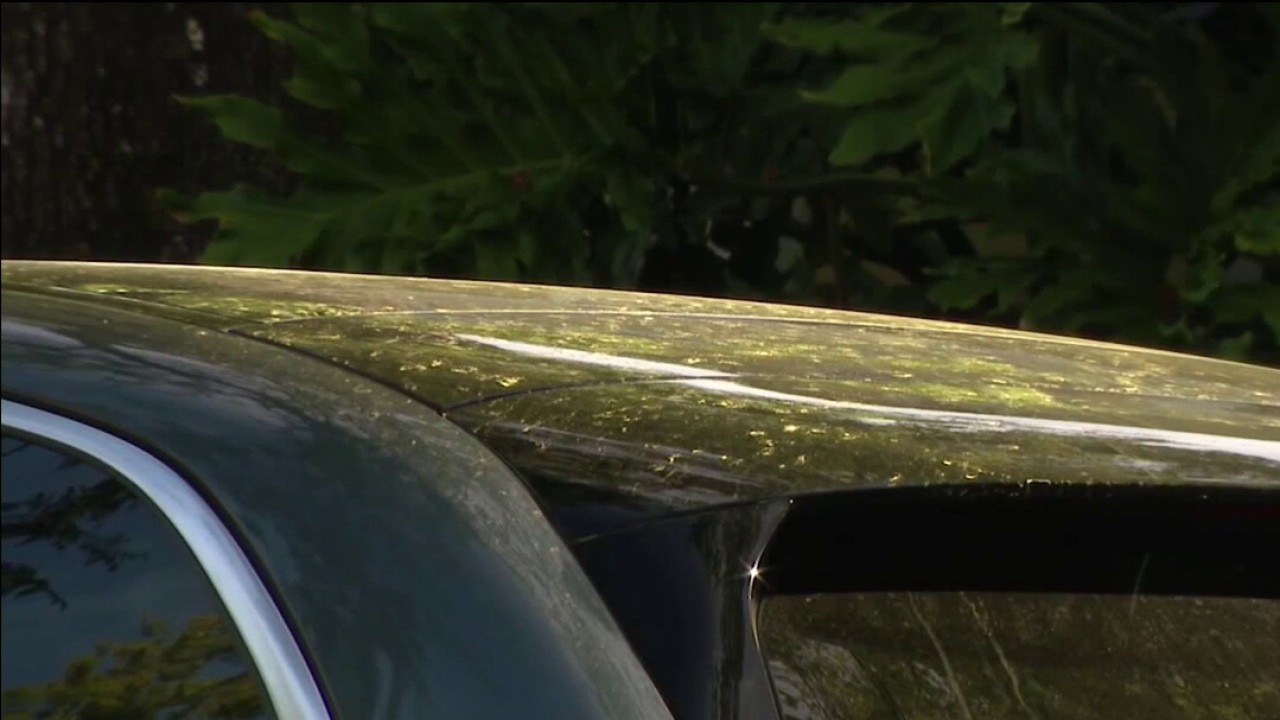
It's allergy season and if you're thinking the pollen seems a little extra strong this year, you're not the only one. We see it all over our cars and driveways and it's giving many Floridians all the symptoms from itchy noses and eyes to nasal congestion. FOX 13's Ariel Plasencia reports.
TAMPA, Fla. - Three Tampa Bay cities were just named in the nation’s top Allergy Capitals for 2026 by the Asthma and Allergy Foundation of America (AAFA).
Lakeland saw the biggest jump, shooting up 10 spots to #20. Sarasota ranked #28, and Tampa came in right behind at #29.
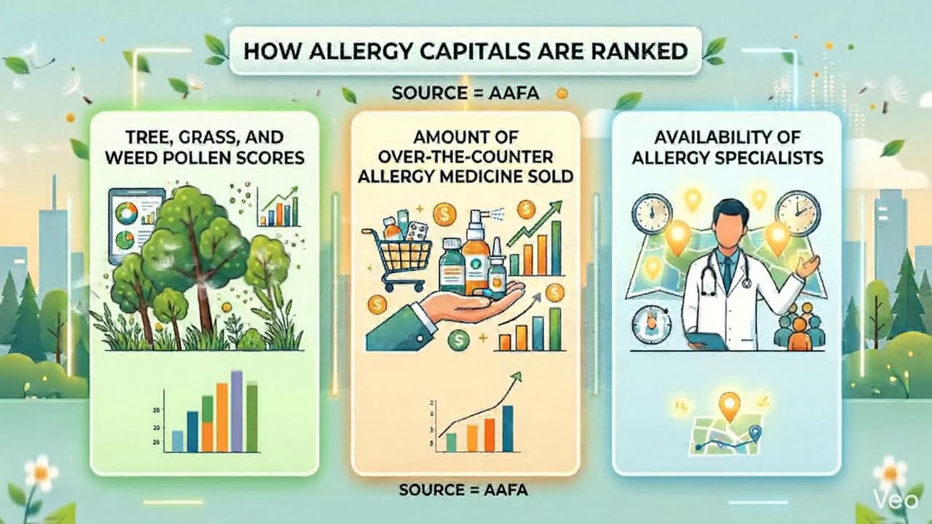
How the cities were ranked
AAFA researchers ranked cities based on three main factors:
- Tree, grass, and weed pollen scores
- Amount of over-the-counter allergy medicine sold
- Availability of allergy specialists
None of our local cities scored above average in any of those categories.
"So what that tells us is, residents in these cities or metropolitan areas may be heavily impacted by seasonal allergies, likely due to warmer, more humid climates," AAFA research director Hannah Jaffee told FOX 13.
Local perspective:
USF Health doctors told FOX 13 they’ve been seeing plenty of patients with allergies – after all, February to April tends to be peak allergy season.
"This year, we started seeing patients being symptomatic in the clinic, like really symptomatic, probably in the last three to four weeks, where we've had warmer weather come through," said Dr. Farnaz Tabatabaian, associate professor of allergy and immunology at USF Health.
Oak, cedar, and cypress trees tend to be the main culprits.
"They're spewing out trillions of pollen particles into the air, which we inhale, come into our eyes and nose and into our lungs," explained Dr. Richard Lockey, distinguished professor of allergy and immunology at USF Health.
Suffering from allergies as an adult for the very first time?
Dig deeper:
"Up to 15 to 20 percent of people can get allergic disease after age 30," Dr. Lockey said, adding that the percentage could be even higher in Florida due to our severe allergy season.
Family history and DNA play roles, too.
"If one parent has allergic disease, there's a 30 percent chance you're going to be allergic, may become allergic," Dr. Lockey said. "If both parents, it’s a 60 percent chance."
Read: Florida driver suspected of huffing electronic duster charged with DUI after hit-and-run crash: FHP
Dr. Tabatabaian added that the demands of adulthood can also make the symptoms more noticeable.
"I think that if you're noticing it now, it's just probably because it's impacting your day-to-day life more than it did as a child. Maybe you went to school, or you didn't feel good, but now you have to get up and go to work and be functioning and concentrate, and the demands of your life are a little bit different, so maybe it's more noticeable," Tabatabaian explained.
The Source: Information for this story came from the Asthma and Allergy Foundation of America, an interview with their research director, and interviews with doctors from USF Health.