

Neurologists treating MS see increase in patient demand, shortage of specialists
CLEARWATER, Fla. - Patients suspecting they have multiple sclerosis (MS) are encountering significant delays in accessing specialist care, with some waiting up to six months for a diagnosis.
This challenge is exacerbated by a 50% increase in patient demand at MS and Neuro in Clearwater.
READ: Moffitt Cancer Center honoring breast cancer patients through 'Portraits of Hope'
Local perspective:
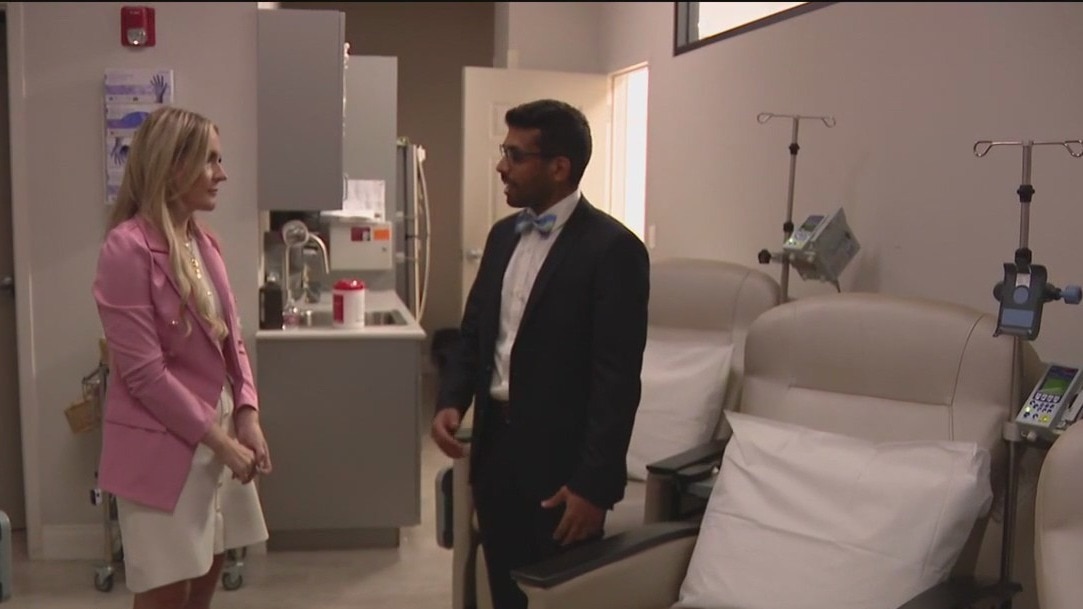
Victoria James, from Clearwater, experienced firsthand the difficulty of finding an available neurologist. She went to the ER after her symptoms became unmanageable, and her primary care physician said she needed to see a neurologist to be tested for MS.
But when she started calling around in September, she was told no one could see her until next year.
"It is frustrating, especially when I'm trying to get an answer," she shared.
MORE: Protein powders, shakes contain high lead levels, analysis found
After numerous attempts to secure an appointment, she found hope when a new specialist at MS and Neuro in Clearwater could see her in October.
Why you should care:
Dr. Dinesh Sivakolundu, a neurologist who recently relocated to the Tampa Bay area to address the growing need, stresses the importance of early diagnosis and treatment.

"We want to catch patients as early as possible, and we have excellent therapy. Once we start therapy, we know the outcomes are going to be excellent. Prolonged wait times mean there are barriers to care," he explained.
He said MS symptoms, including muscle spasms, tremors, blurry vision and brain fog, can be debilitating and, if left untreated, may cause permanent damage.
READ: Paralyzed man walks again after experimental drug trial triggers remarkable recovery
"When the immune system keeps attacking the brain, they're losing real estate in the brain," said Sivakolundu.
Dig deeper:
Sivakolundu is seeing patients coming from Orlando and Sarasota, because they can’t get in to see a specialist in their area.
A shortage of neurologists nationwide, coupled with improved testing leading to more MS diagnoses, contributes to the high demand for care.
"MS is a chronic disease, requiring a lot of follow-up, which increases demand," Sivakolundu noted.
Wait times mean patients having to manage symptoms on their own, wondering if they have the disease, and it delays their access to treatment, which can impact their outcomes.
MORE: Bucs rookies visit Moffitt Cancer Center to meet patients, kids
About 80% of his patients are coming to get diagnosed. That process includes an exam, blood tests and an MRI. It can take six weeks or more to determine if a patient has MS.
What they're saying:
James is at that stage now, and she remains optimistic as she undergoes diagnostic tests, including an MRI scheduled for the end of the month.
"I know that whatever the diagnosis, he's gonna make it as easy and gentle as possible," she expressed. "It can’t be cured, but it can definitely be treated."
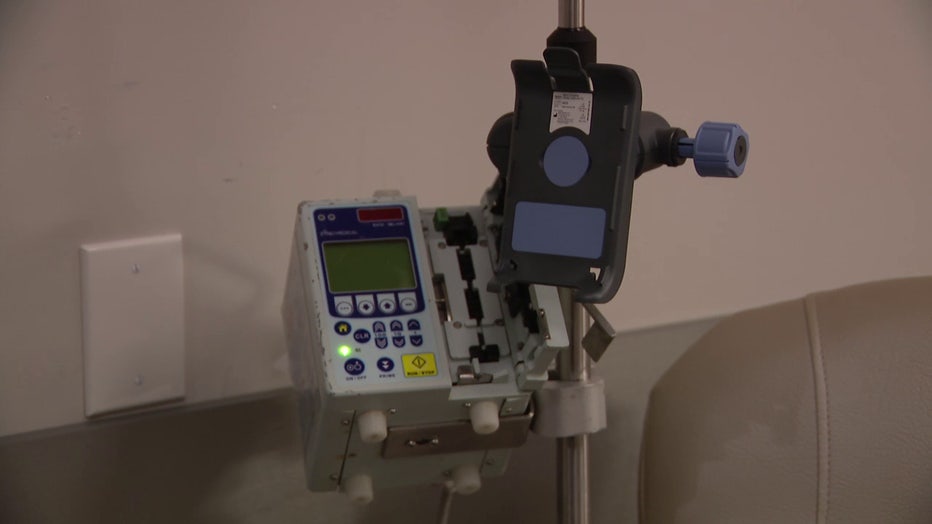
Despite the challenges, advancements in treatments and therapies, including infusions, are significantly improving patients' ability to live with MS.
"The goal of current therapies is to suppress the immune system to preserve brain and spinal cord health, giving patients a fuller, happier life," Sivakolundu explained.
He said quality of life has greatly improved in the past 20-30 years.
READ: $70K grant helps expand access to AEDs in the City of Tampa
What's next:
As the demand for MS specialists continues to rise, efforts to reduce wait times and improve access to care remain crucial for patients seeking timely diagnosis and treatment.
James shared her message with others waiting for care. "Don’t give up. Keep calling."
The Source: Sources for this report include an interview with a patient and doctor as well as national statistics.