

Florida lawmakers approve DeSantis-backed redistricting map that could redraw Bay Area's political future
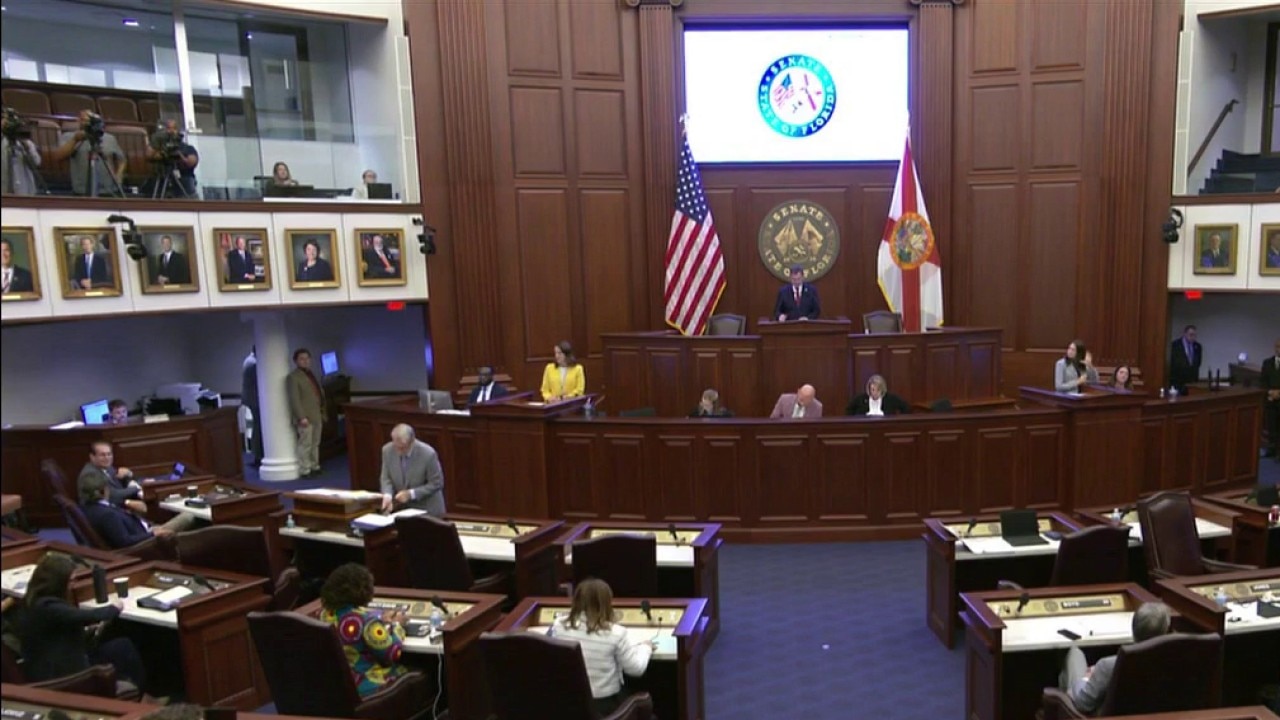
Florida legislature passes new congressional map
Florida lawmakers approved a sweeping congressional redistricting overhaul Wednesday during a special session, advancing a controversial new map that could dramatically reshape the state’s political boundaries and spark immediate legal battles. FOX 13's Evan Axelbank reports.
TALLAHASSEE, Fla. - Florida lawmakers approved a sweeping congressional redistricting overhaul Wednesday during a special session, advancing a controversial new map that could dramatically reshape the state’s political boundaries and spark immediate legal battles.
The backstory:
The Republican-backed measure, pushed by Gov. Ron DeSantis, passed both the Florida House and Senate despite fierce opposition from Democrats, who condemned the process as rushed, partisan and designed to strengthen Republican control of Florida’s congressional delegation ahead of the midterm elections.
Florida Legislature approves new congressional map
The newly approved map redraws all 28 of Florida’s congressional districts and comes as state leaders anticipated a major U.S. Supreme Court ruling tied to redistricting and race considerations in Louisiana.
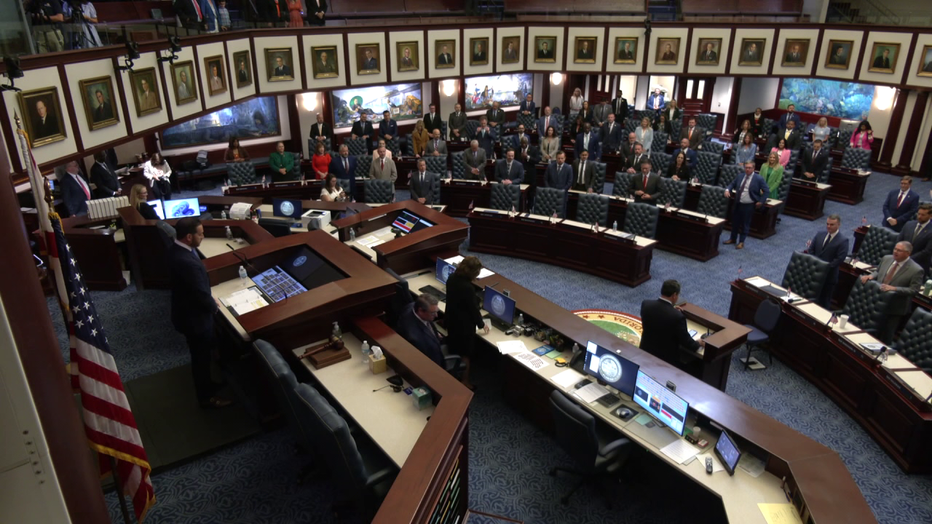
The measure passed the Senate in a 21-17 vote, with four Republicans joining 12 Democrats and one no-party affiliation senator in opposition.
Supporters argue the overhaul aligns Florida with evolving federal legal standards after the high court struck down part of the Voting Rights Act framework that had allowed race to be considered in certain redistricting decisions.
The other side:
Democratic lawmakers sharply criticized both the substance of the new map and the speed of the legislative process, arguing Floridians were denied meaningful public input.
Legal challenges expected after DeSantis signature
Gov. DeSantis has not yet announced when he will sign the legislation, but court challenges are widely expected soon after.
Republican lawmakers maintain the map is legally defensible.
Critics, however, argue the redistricting effort could face constitutional scrutiny under Florida’s Fair Districts amendments, which prohibit partisan gerrymandering.
What's next:
Once signed, the map is expected to immediately face lawsuits that could determine not only Florida’s political future, but also set a broader precedent for how congressional maps are drawn nationwide.
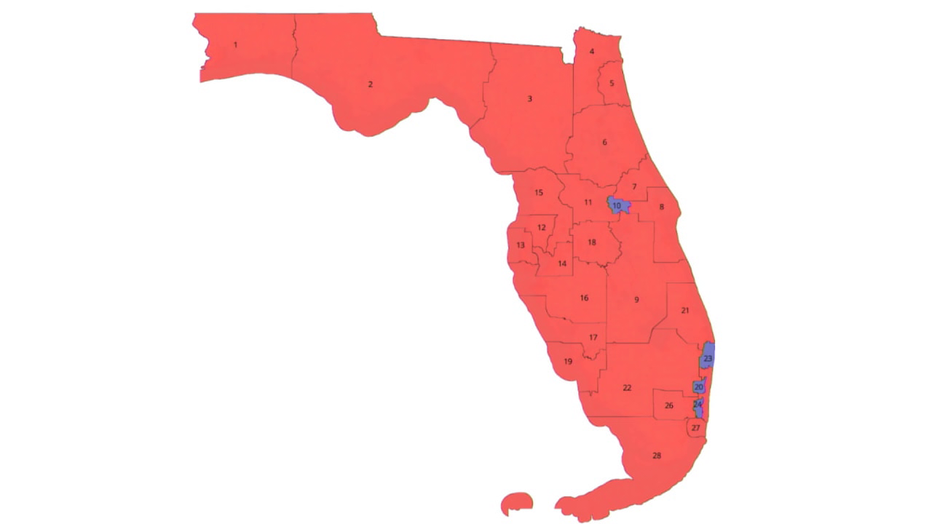
The outcome would expand the Republican advantage in Florida’s delegation from 20 to 8 to as much as 24 to 4. That includes changes in several Democratic-leaning areas, including parts of the Bay Area.
Dig deeper:
On the first day of a special legislative session Tuesday, GOP leaders in the House and Senate rejected two of the governor’s top priorities, including a proposal to loosen vaccine requirements for schoolchildren and another to regulate artificial intelligence.
House Speaker Daniel Perez said the chamber will not take up the vaccine measure, pointing to concerns about public health standards. The Senate quickly followed, shelving the proposal as well.
The moves signal rare resistance from within DeSantis’ own party during his final years in office.
Why you should care:
The approved map could reshape how the Bay Area region is represented in Washington for the next decade.
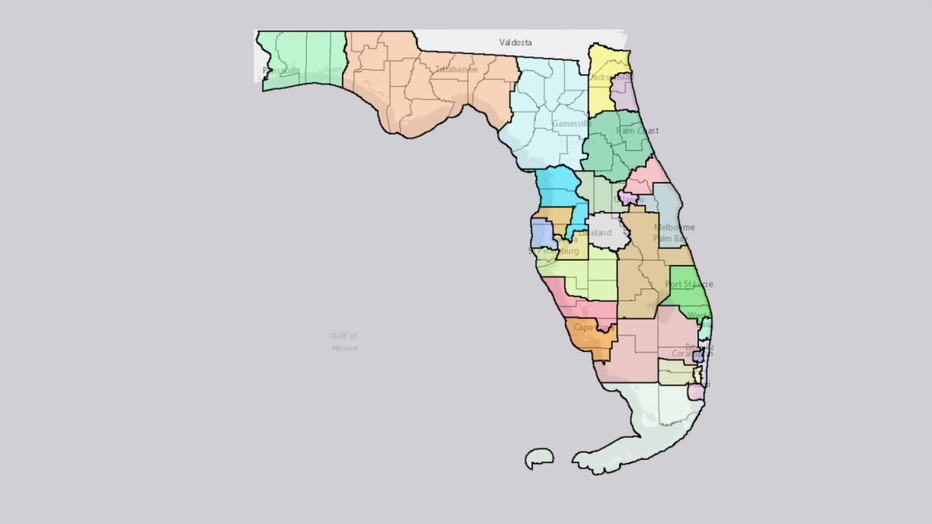
Some Republicans warn the map could create more competitive districts with narrower margins, especially in areas like Tampa. If voter sentiment shifts, those seats could become targets for Democrats.
For example, Tampa’s Ybor City neighborhood would now be grouped into a congressional district with Citrus County.
The Source: Information in this story comes from statements by Florida legislative leaders, the governor’s office, and reporting from the opening day of the special legislative session in Tallahassee.