

UF researchers developing AI-powered tool to predict deadly water bacteria
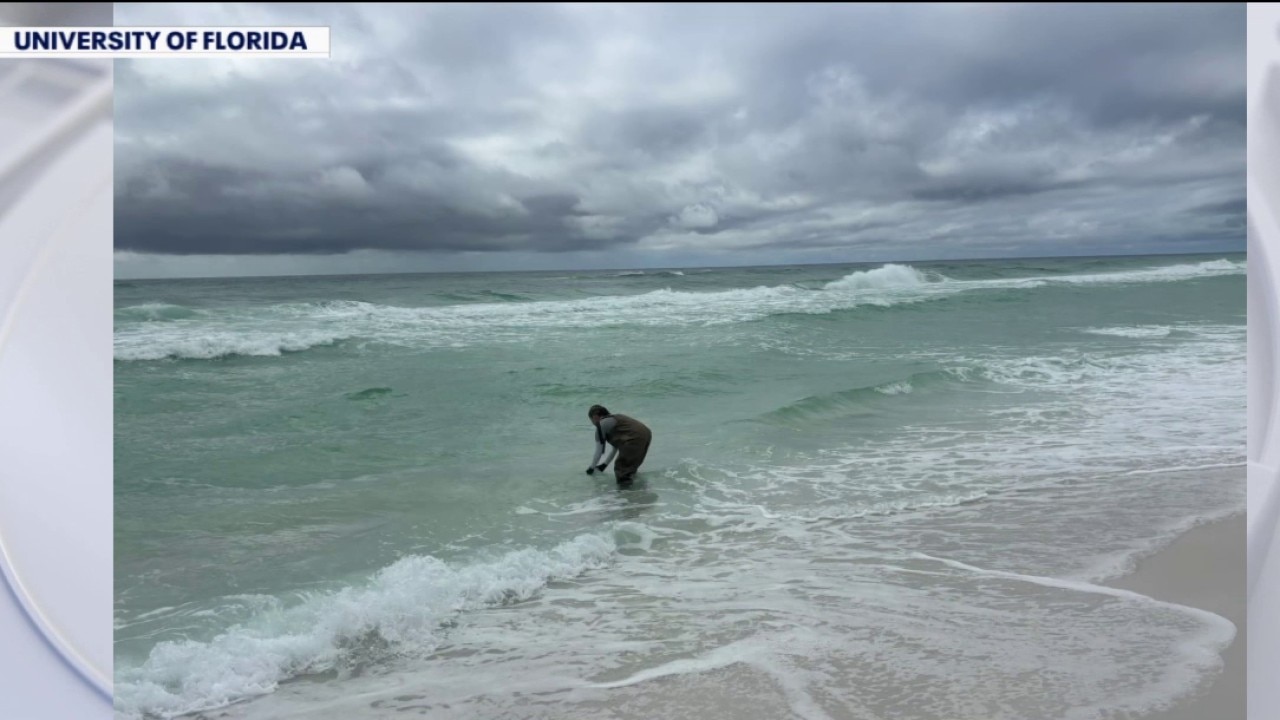
UF developing AI tool to detect water bacteria
The Florida Department of Health says a second person died this year after contracting a bacteria found in warm waters. But, researchers are working on an AI-powered tool that could prevent this. FOX 13's Kylie Jones reports.
GAINESVILLE, Fla. - The Florida Department of Health reported that a second person has died this year after contracting Vibrio vulnificus, as University of Florida researchers develop an AI-powered forecasting tool to predict water conditions.
The satellite-driven technology aims to forecast dangerous bacterial hot spots several weeks in advance.
Florida coastal water risks
What we know:
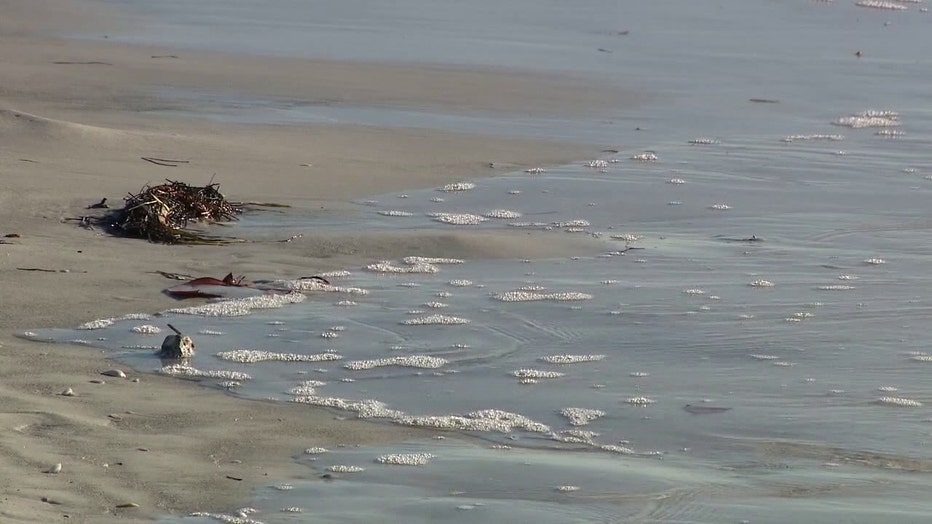
Doctors at the University of Florida say this bacterium thrives in warm, brackish water where bodies of freshwater intersect with bodies of saltwater.
"Brackish water is the interface between the saltwater, bays, ocean, and our freshwater lagoons, where the mangroves are typically at, where these rivers intersect with the saltwater platforms," Dr. Norman Beatty at UF's College of Medicine said. "And in this region, we have different ecosystems."
Beatty says there are two different ways that you can contract the bacteria.
The first is by ingesting contaminated water or food, like raw oysters.
"A lot of times, it just causes a diarrhea-like illness, and it will go away," Beatty said. "But in some people who have immunocompromising conditions or a liver disease, they can have really severe sepsis and even get septic shock and have to go to a hospital."
Doctors say you can also contract Vibrio vulnificus through an open wound.
"It has to go through and break in the skin," Beatty said. "And so, if you acquire a wound in the water, or you go into the water with a wound, the bacteria can go into that wound and cause kind of what we call a flesh-eating infection. But really, it doesn't eat our flesh. What it does is it creates enzymes and different things that break down the tissue and kill the tissue, but can spread really rapidly."
Predicting bacterial hot spots
Why you should care:
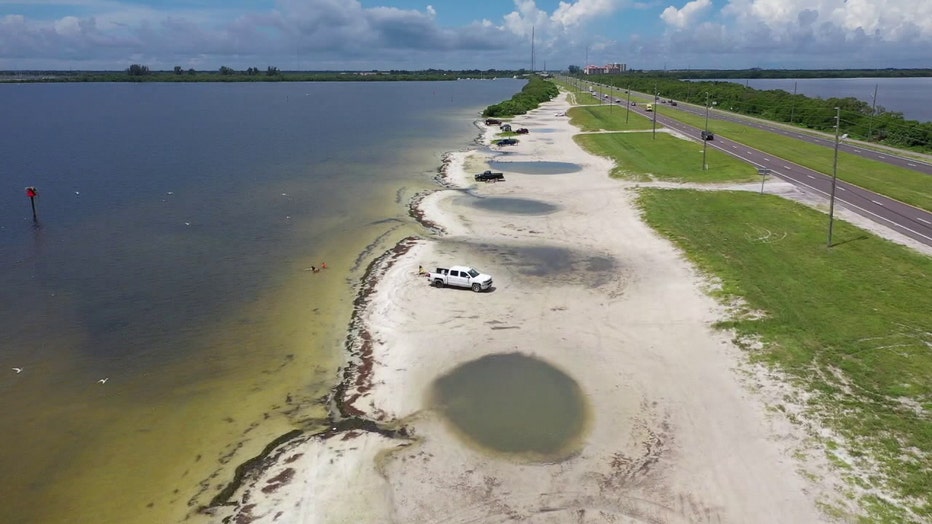
Researchers at the University of Florida are working on an AI-powered platform designed to predict hotspots containing this bacteria. Scientists say the tool will function similarly to hurricane forecasting models by helping people assess health risks before going into the water.
"We want to use satellites so that we can basically track and monitor the conditions which may be favorable to the hotspots for Vibrio vulnificus," Professor Antar Jutla, with the Department of Environmental Engineering Sciences at the University of Florida said. "Ultimately, we want to provide a tool so that people who are going to beaches and who are basically going to do recreational activities, they can basically make their own determination as to what is going to be best for them."
Jutla says they're using current NASA satellite sensors to track factors like microbiology, weather, climate, water temperatures and hydrology to build a data system.
Researchers hope to eventually be able to detect environmental changes and identify high-risk areas three to four weeks in advance.
Developing coastal warning systems
What we don't know:
Researchers expect to build the AI-powered platform over the next two years, followed by testing of the technology.
The Source: The information in this story was gathered from the Florida Department of Health, who detailed the recent bacterial death, as well as interviews conducted with a doctor and professor in the University of Florida's College of Medicine.