

USDA confirms first US case of flesh-eating screwworm in Texas, triggering quarantines
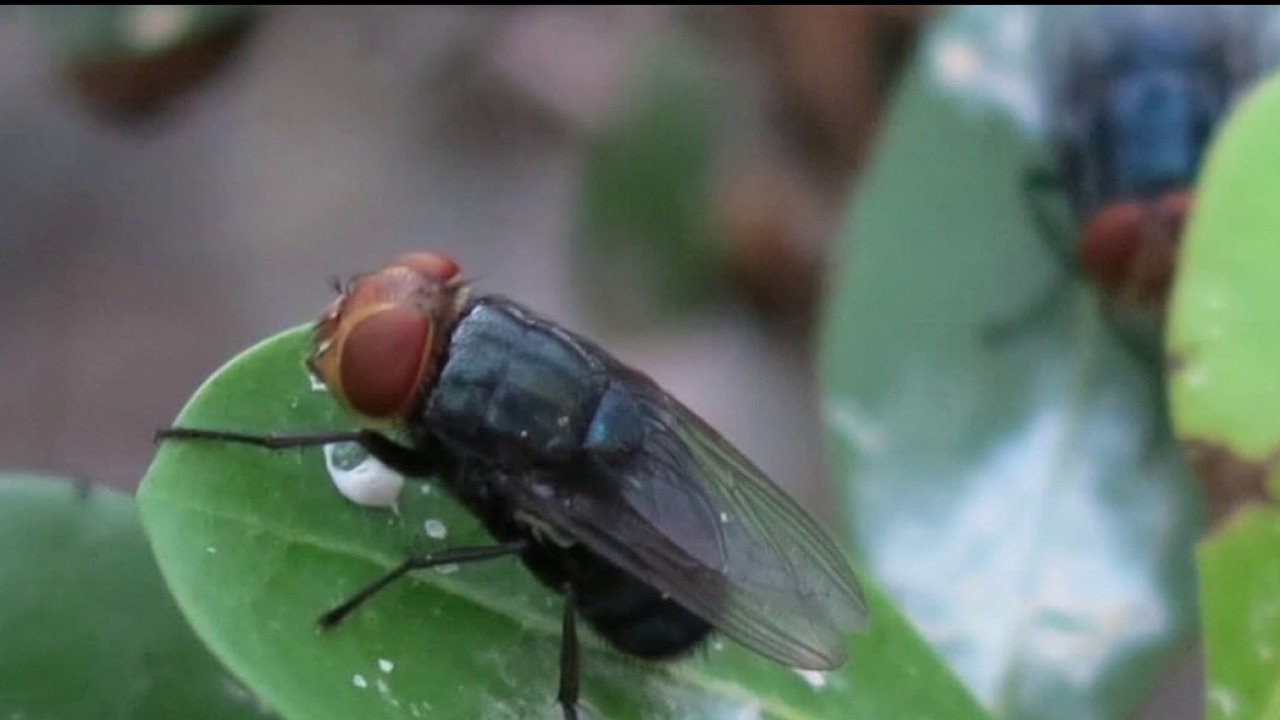
Texas cattle industry on edge after screwworm case
A case of New World screwworm has been reported in Mexico just south of the U.S. border, putting the state of Texas' cattle industry on edge. FOX 4's Dionne Anglin has more.
ZAVALA COUNTY, Texas - Federal agricultural officials on Wednesday confirmed the first U.S. case of the destructive New World screwworm in a Texas calf, triggering emergency quarantine measures and sparking a sharp political clash over the adequacy of the government's response.
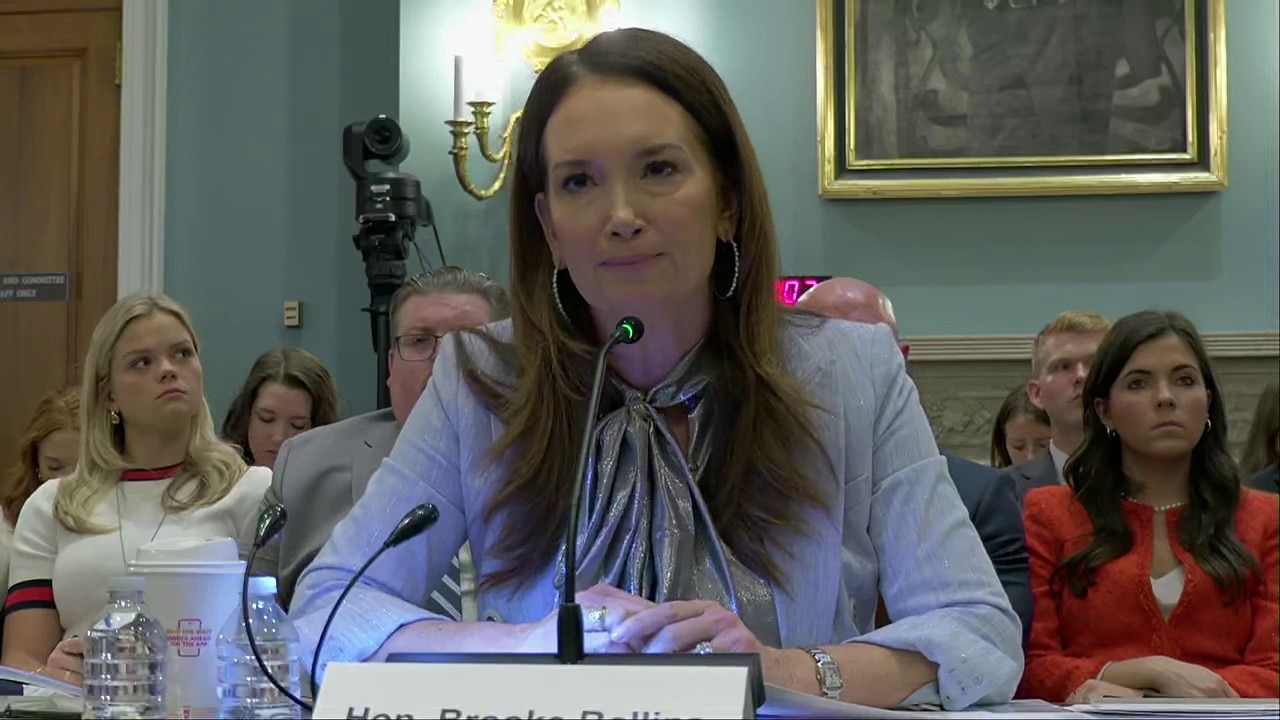
Secretary Rollins Testifies on Texas Screwworm Strategy
Before the House Ag Committee, Secretary Brooke Rollins details a $1B federal push, including a fast-tracked sterile fly plant in Mission, Texas, to eradicate the screwworm.
First U.S. case confirmed
The U.S. Department of Agriculture’s Animal and Plant Health Inspection Service said the flesh-eating parasite was detected in the umbilical area of a 3-week-old calf in Zavala County, Texas, located southwest of San Antonio.
Political clash over response:
The announcement prompted immediate, fiery pushback from Texas Agriculture Commissioner Sid Miller, who accused the USDA of a "slow, bureaucratic, and incomplete response" that allowed the pest to advance more than 1,100 miles through Mexico onto American soil. Miller appealed directly to President Donald Trump to take personal control of the containment effort.
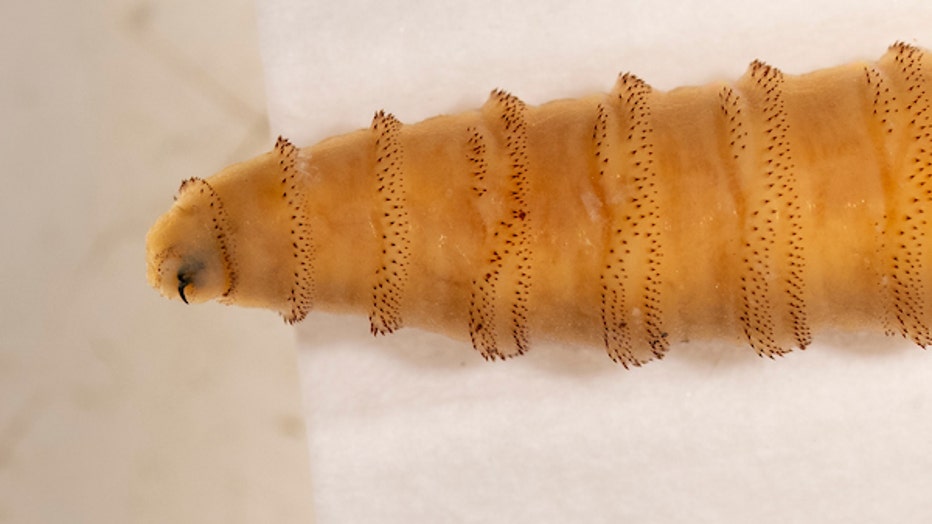
New World screwworm fly (Cochliomyia hominivorax) on Friday, Jun 06, 2025, in College Station, Texas. (Michael Miller/Texas A&M AgriLife)
What they're saying:
"Now that it appears the first screwworm has arrived in Texas, the consequences of that decision are now staring us in the face," Miller said in a statement.
The New World screwworm is considered one of the most devastating livestock and wildlife pests in history. Unlike common fly larvae, screwworm maggots burrow into and feed exclusively on the living flesh of warm-blooded animals, causing severe injury, massive economic loss, and death if left untreated. While rare, they can also infect humans.
RELATED: Screwworm threat forces US to halt cattle imports from Mexico: What to know
Federal officials defended their timeline, stating that advanced surveillance and cross-border mitigation efforts in Mexico and Central America had successfully delayed an invasion that models predicted would hit the U.S. in 2025.
"Protecting our livestock industry is a national security issue of the utmost importance, and USDA is wasting no time in taking action," said Dudley Hoskins, Under Secretary for Marketing and Regulatory Programs. "The United States has defeated this pest before, and we will do it again."
The USDA and the Texas Animal Health Commission have formed a unified Incident Command Team and established a 20-kilometer (12-mile) infested zone around the Zavala County site, implementing strict quarantines and movement controls on live animals.
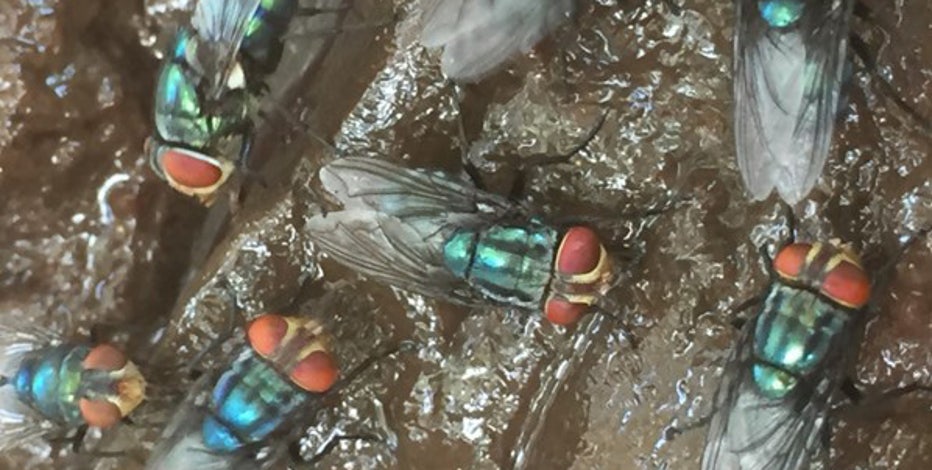
USDA warns of flesh-eating screwworm found just 25 miles from US border
A flesh-eating parasite was found on a goat just miles away on the other side of the U.S. border with Mexico.
To eradicate the population, federal officials are expediting the release of billions of laboratory-raised sterile flies, deploying ground release chambers to supplement the 4 million sterile flies already being dispersed aerially in the region each week. When wild flies mate with the sterile flies, no offspring are produced, eventually collapsing the population.
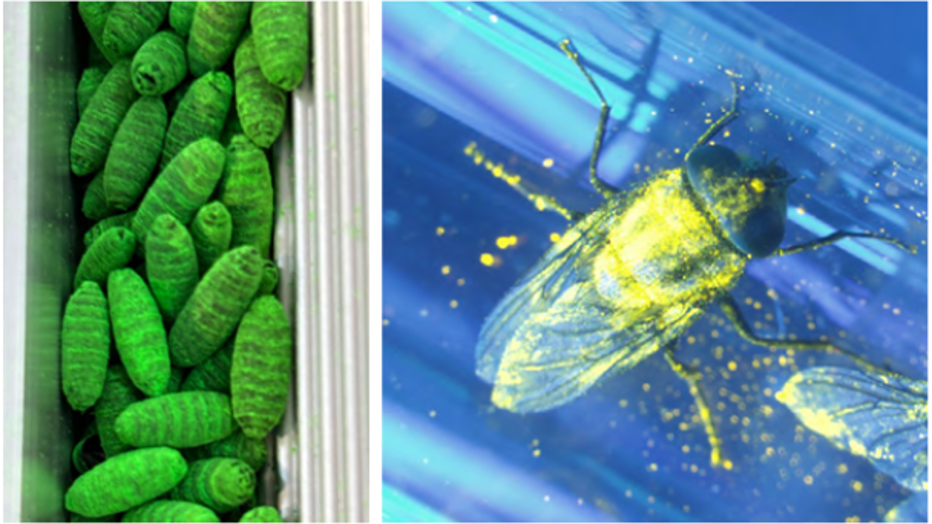
Dyed sterile NWS pupae (left); sterile NWS fly glowing under UV light (right)
However, Miller argued that the sterile fly strategy is a "partial solution" that takes years to work on its own. He urged the White House to declare a national agricultural emergency and mandate the immediate deployment of the Screwworm Adult Suppression System (SWASS)—a USDA-developed method that uses targeted chemical bait pellets to rapidly kill adult flies.
Because surveillance must continue in areas where sterile flies are released, sterile NWS flies may be caught in traps or reported by the public. To help officials distinguish sterile flies from wild flies, USDA dyes the sterile pupae. The dye transfers to the adult flies when they emerge. The fluorescent dye glows under UV light and may also be visible to the naked eye.
Miller said he had personally provided the SWASS formula to Agriculture Secretary Rollins on three separate occasions as the pest migrated north. "USDA already owns the playbook; the only question is whether USDA will use it before this situation gets worse," Miller said.
What's next:
The USDA noted that its National Veterinary Stockpile is being mobilized to provide treatments and equipment, and that officials are already negotiating with international trading partners to restrict any potential live-animal export bans to specific geographic zones rather than the entire country.
Officials emphasized that the U.S. food supply remains safe, as screwworms do not affect meat processing, and rigorous federal inspections ensure no contaminated product can enter commerce.
What you can do:
Contact your veterinarian right away if you see any suspicious wounds, maggots, or infestations in your animals or herd. Animal health professionals report suspected cases to the State animal health official and APHIS Area Veterinarian in Charge.
If you see signs of maggot infestations in live or very recently dead wild animals, especially in areas near the U.S./Mexico border, please call 866-4USDA-WS (866-487-3297) to report it to your local USDA Wildlife Services office.
Contact your healthcare provider if you think you may have screwworm. Healthcare providers report suspected cases to the local or State health department.
The Source: Information in this article is from the USDA and Texas Agriculture Commissioner Sid Miller.