

Florida not expected to see much change from marijuana rescheduling, but research opportunities loom
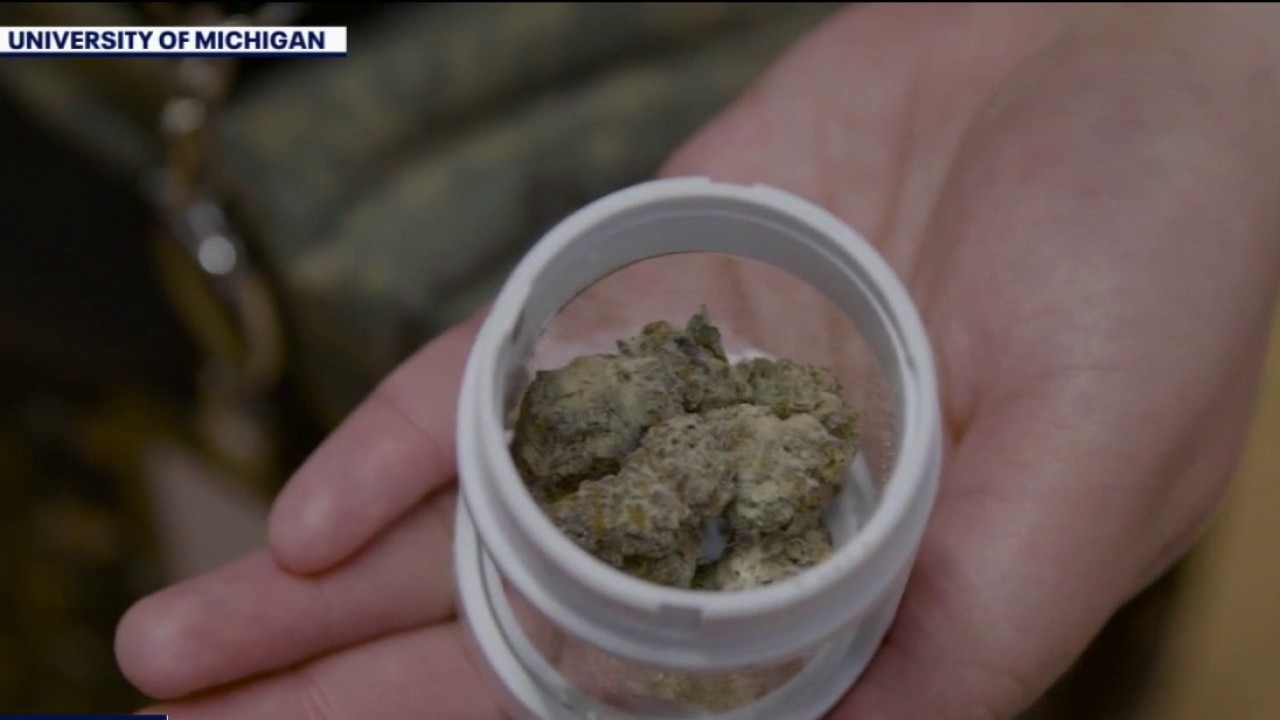
Feds move medical marijuana to Schedule III drug
With the stroke of a pen, Acting Attorney General Todd Blanche declared medical marijuana to be a Schedule III drug, which the Trump Administration — and University of Michigan professor Erin Bonar — hope will make research easier. FOX 13's Evan Axelbank reports.
TALLAHASSEE, Fla. - With the stroke of a pen, Acting Attorney General Todd Blanche declared medical marijuana to be a Schedule III drug, which the Trump Administration — and University of Michigan professor Erin Bonar — hope will make research easier.
What they're saying:
"The biggest questions are what, if anything, does [medical marijuana] really work for, for whom, and also what are the risks and the downsides and the side effects?" Bonar said.
Bonar is the director of research strategy for the Michigan Innovations in Addiction Care through Research and Education Program.

The problem researchers have had is that it is nearly impossible to study drugs that are federally illegal, according to Bonar. Previously, it was listed with drugs like heroin, and will now be aligned with drugs like ketamine.
"This has been a long road in terms of being able to study this more readily and to be able to study medical cannabis more easily," Bonar said. "That's something that people have wanted for decades, probably since cannabis has been in existence."
By the numbers:
Pew Research says the move comes just 12 years after California became the first state to legalize medical marijuana. Their studies show 74% of Americans live in a state that allows it, while 79% live in a county that has a dispensary.
Florida has 1,233 dispensaries.
The other side:
Some see this federal move as a giveaway to big weed.
"This is going to give a tax break to the industry, and it's like we're turning this industry into the next big tobacco," Kevin Sabet, the CEO of "Smart Approaches to Marijuana," said.
The tax break comes because of rules that allow expenses for researchers to be written off for Schedule III drugs, whereas Schedule I drugs can't be.

Sabet insists that the rule change is a political move by President Trump.
Sabet is a former drug policy advisor to Presidents Clinton, Bush and Obama, and has fought legalization since 2013.
"It happened because the president has podcasters on speed dial who are good for him politically, who don't agree with him on Iran, but could gain favor with this," Sabet said.
What's next:
Gov. Ron DeSantis says he does not expect the rescheduling to impact Florida much, because the state has already fully implemented medical marijuana into law.
Next up, the federal government says it will also consider changing the criminal scheduling, and that could have an impact on criminal laws everywhere, particularly when it comes to trafficking.
The Source: Information for this story comes from interviews with the CEO of "Smart Approaches to Marijuana," a University of Michigan professor, a Pew Research study and a press conference with Gov. Ron DeSantis.