

Senate advances landslide bipartisan housing bill targeting affordability and corporate landlord restrictions
Senate passes bill to lower housing costs
In a rare show of election-year unity, the Senate has overwhelmingly passed a sweeping bipartisan housing package aimed at lowering costs and giving everyday families a fighting chance at homeownership. FOX 13's Heather Healy reports.
WASHINGTON, D.C. - In a rare show of election-year unity, the Senate has overwhelmingly passed a sweeping bipartisan housing package aimed at lowering costs and giving everyday families a fighting chance at homeownership.
Bipartisan housing package details
The backstory:
The 21st Century ROAD to Housing Act passed with an emphatic 85-5 vote. Brought together by an unusual alliance between conservative Senate Banking Committee Chairman Tim Scott, R-S.C., and progressive Sen. Elizabeth Warren, D-Mass., the legislation targets the root causes of America's affordability crisis.

The core mission of the new legislation relies on a dual strategy: aggressively build more housing inventory while simultaneously stopping wealthy corporate buyers from hoarding available properties.
Scott worked across the aisle to craft the compromise, emphasizing that the bill focuses on common-sense market incentives to solve the supply shortage.
Congressional and legal debates
What they're saying:
"If you build more housing, you should get more incentives. If you don't build more houses, you should lose those incentives, and they should go to the places where you're building more housing," Scott said. "Yes, I recognize this is common sense everywhere, but here."
Scott added that the House did a fine job embedding critical priorities into the package to make housing more accessible and affordable, while ensuring community banks remain heavily engaged as the primary source for local mortgages.
Housing market impacts
Dig deeper:
For first-time homebuyers, the legislation arrives at a critical tipping point. Lawmakers note that the average age of a first-time homebuyer has climbed to 40 years old — a number Scott called "just too old."
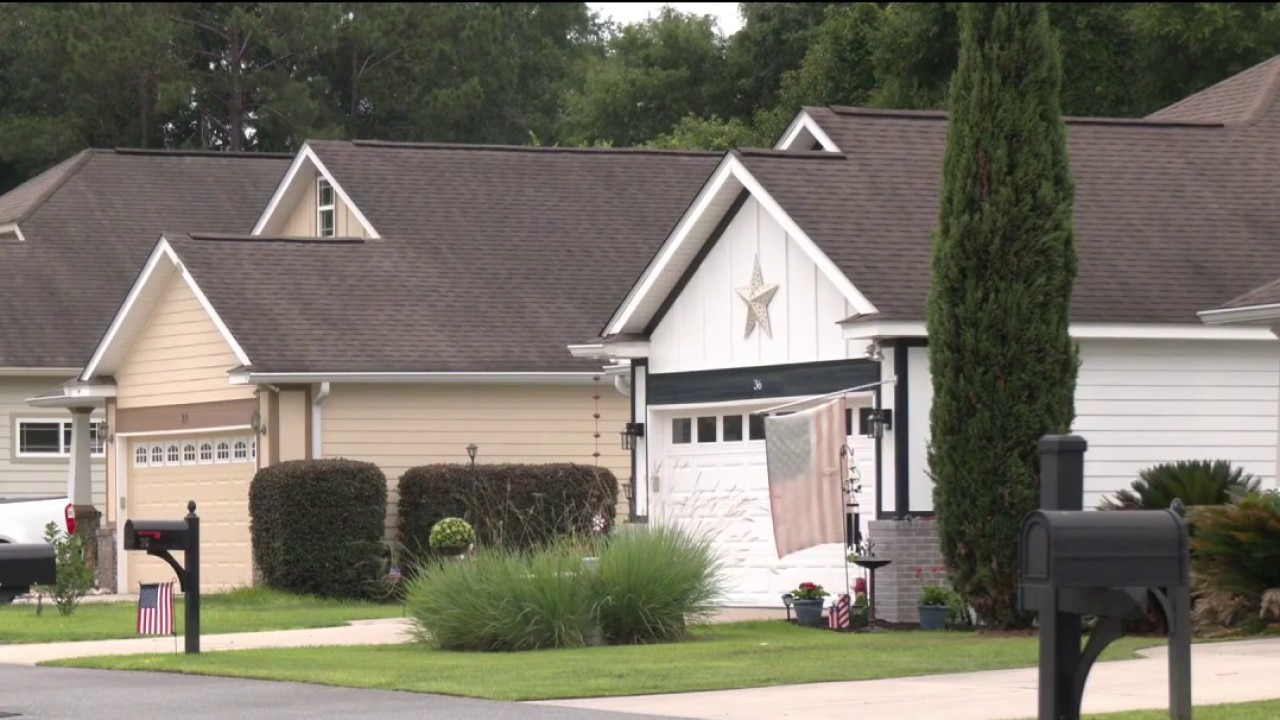
A primary driver behind that delay is intense competition from multi-billion-dollar corporations. In recent years, big institutional investors have surged into local markets, outbidding families and turning entire single-family neighborhoods into corporate rental portfolios.
Real estate experts and attorneys warn that this corporate trend is artificially inflating housing costs while degrading the local community fabric.
Tampa-based real estate attorney Charles Gallagher noted that mega-corporations often treat neighborhoods with a "fast-food property management style."
"No one's going out and making sure the lawns are all maintained. No one is making sure the properties are in good shape and nice," Gallagher said. "And that's also devaluing the other area properties... it's devaluating those properties as well."
Upcoming congressional steps
What's next:
The bipartisan bill now heads to the House, where lawmakers are hoping to hold a vote in the next few days.
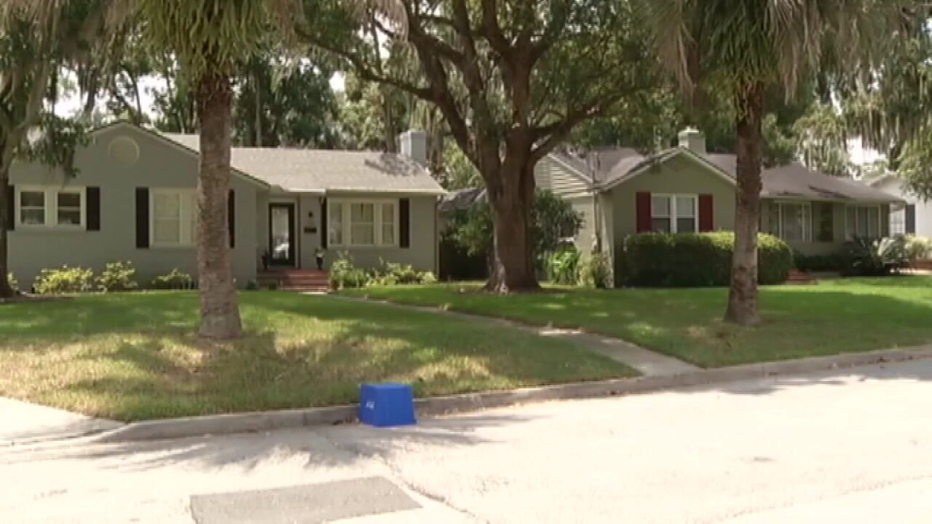
If it passes the House, it will head directly to the White House to be signed into law. President Trump has already signaled his enthusiastic support for the crackdown on institutional landlords, posting on Truth Social: "People live in homes... not corporations."
If finalized, the package will represent a major bipartisan victory for President Trump's second term. However, the battle may not end at the president's desk. Legal experts warn that Wall Street firms are highly unlikely to accept the new purchasing restrictions without mounting a fierce fight in court.
The Source: The information in this story was gathered from previous stories done by FOX 13, who interviewed Bay Area legal experts, as well as an article published by the United States Senate Committee on Banking, Housing and Urban Affairs.