

Toxic algae threat returns to Florida waters — but scientists are fighting back

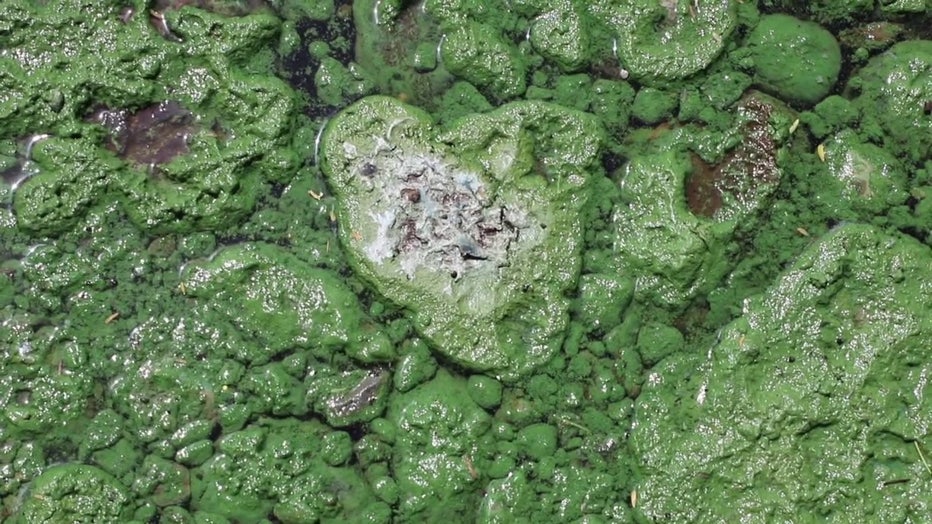
FORT MYERS, Fla. - Toxic blue-green algae, also known as cyanobacteria, is back in Florida waters, and scientists say the danger extends beyond what you can see.
What we know:
It can sicken people and kill pets, especially when the algae release airborne toxins. But, researchers at Florida Gulf Coast University (FGCU) say we’ve made major progress in understanding how it works — and how to slow it down.
RELATED: Florida restores the Kissimmee River — and nature came roaring back
FGCU marine science professor Dr. Mike Parsons discovered airborne toxins from algae blooms during Florida’s massive 2018 outbreak.
"We basically detected it everywhere we’ve looked," he said.
Since then, Parsons says the airborne levels have dropped, likely due to fewer massive blooms in recent years. But, the potential for major outbreaks remains.
PREVIOUS: Toxic algae threat in Florida and the Lake Okeechobee connection
The backstory:
In 2018, Florida experienced one of the worst toxic algae blooms in its history, turning rivers and lakes bright green and releasing toxins harmful to both humans and wildlife.
Since then, researchers like Dr. Parsons and ecology professor Dr. Barry Rosen have been testing the air, water and blood samples from nearby residents to better understand the health impacts.
They’ve also made discoveries about how these algae grow, survive and regenerate colonies.
Why you should care:
Cyanobacteria blooms can poison water and air. Runoff from fertilizers and leaking septic tanks fuels these blooms — and many Floridians live near vulnerable waters.
MORE: Toxic algae in Florida: Scientists warn of hidden dangers
By the numbers:
- 50,000 metric tons: Estimated phosphorus still sitting at the bottom of Lake Okeechobee — decades-old pollution that can still feed algae blooms.
- 8x daily growth: Cyanobacteria can multiply rapidly in warm, nutrient-rich conditions.
- 1 microscopic spore: That’s all it takes to regrow a new toxic algae colony.
What we don't know:
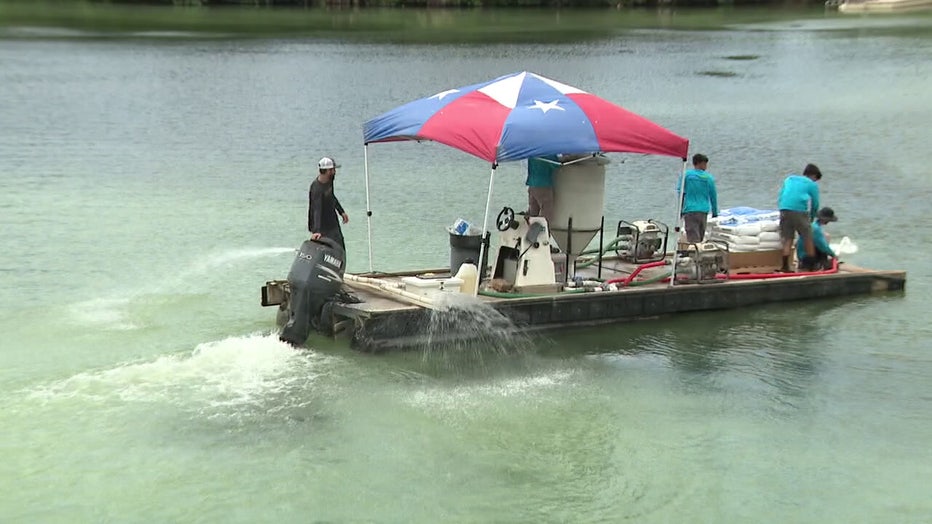
The long-term health effects of breathing airborne toxins from cyanobacteria are still being studied. Researchers continue testing new water treatments and AI-based forecasting models.
What's next:
Pollution prevention: Researchers urge Floridians to cut down on fertilizer use and upgrade septic systems to stop feeding the algae.
New technologies: Artificial intelligence could soon help predict and manage future outbreaks.
Local projects: New reservoirs, stormwater treatment areas, and advanced septic systems are part of the broader fight.
READ: Manatee County residents ask for extra protections for Myakka River
Big picture view:
Toxic algae is a growing threat across the U.S., not just in Florida. But the research being done at Florida Gulf Coast University and other institutions and labs could shape how communities respond — from high-tech interventions to better pollution control.
Dig deeper:
Explore more in our "Breakthroughs in Science" series on the Fox Local app, including:
- Full video investigations into cyanobacteria and public health
- Strategies to reduce nutrient runoff
- Stories on colonizing the Moon and Mars, curing cancer, detecting dark matter, and more
The Source: This report is based on original reporting by FOX 13’s Craig Patrick. It features expert insights from Dr. Mike Parsons and Dr. Barry Rosen of Florida Gulf Coast University.