

Florida restores the Kissimmee River — and nature came roaring back

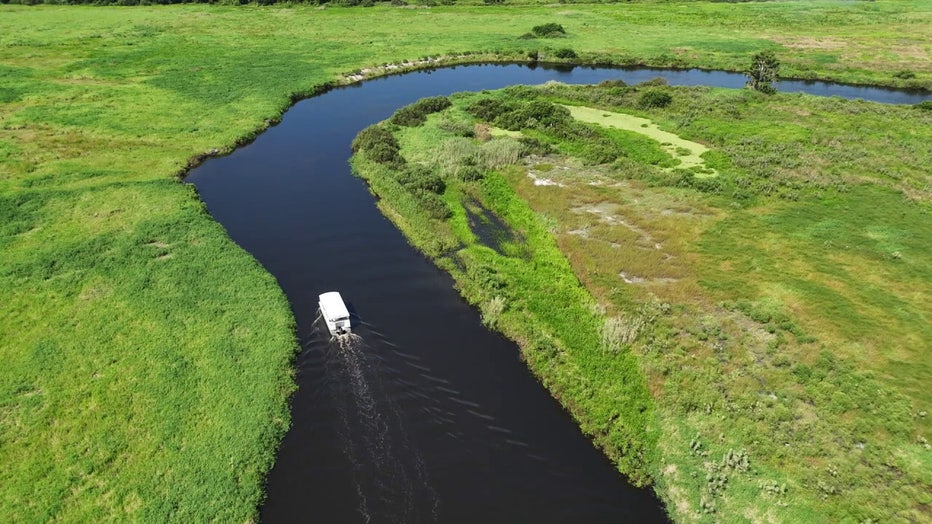
State and federal crews have finished a decades-long effort to undo one of Florida’s most damaging environmental projects: The straightening of the Kissimmee River.
What we know:
The work reconnected 40 miles of meandering river channel and revived 40,000 acres of wetlands that naturally filter pollution. Wildlife — from bass and sunfish to wading birds — has returned in large numbers within just a few years of reflooding.
RELATED: Toxic algae threat in Florida and the Lake Okeechobee connection
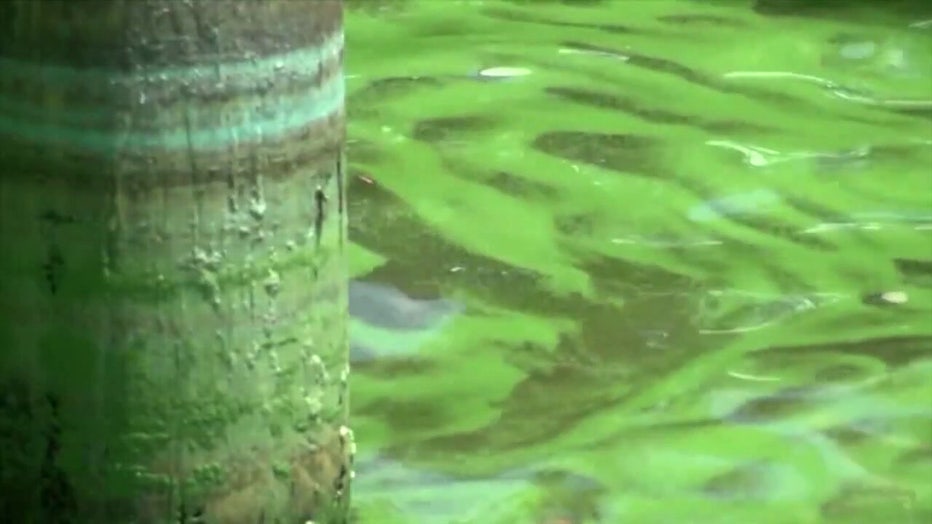
Researchers believe the project is already limiting the size of toxic cyanobacteria blooms in Lake Okeechobee, although the problem hasn’t been eliminated.
Timeline:
1940s–1950s: Hurricanes cause widespread flooding in Central Florida.
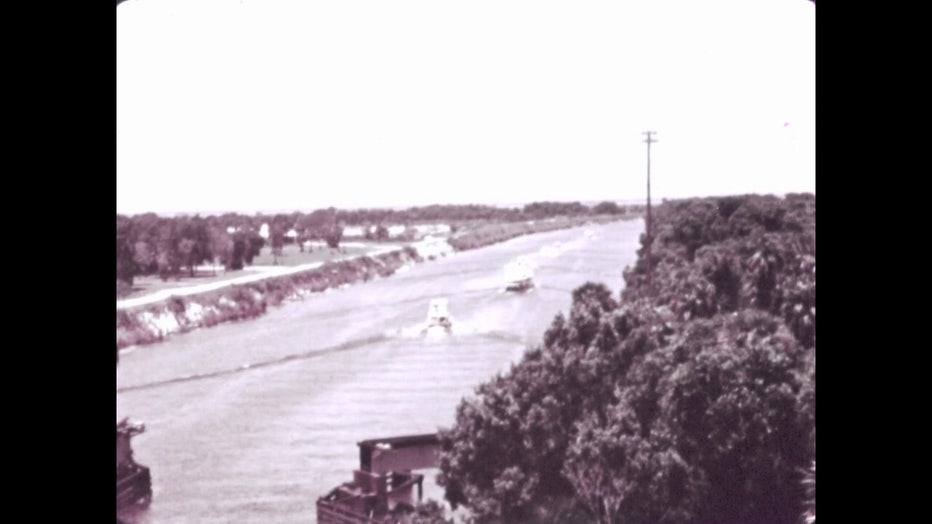
1960s–1971: The U.S. Army Corps of Engineers straightens the Kissimmee into a 56-mile canal, draining wetlands for flood control.
1970s–1990s: Development and agriculture expand in the floodplain, sending nutrient pollution into Lake Okeechobee.
Late 1990s: Lawmakers approve a joint state-federal plan to restore the river.
2021: Final canal sections filled in through a 44-mile stretch; water returned to historic channels.
2025: Scientists report strong recovery of vegetation, fish, and bird populations.
The backstory:
The Kissimmee River once twisted for more than 100 miles from Orlando to Lake Okeechobee, creating oxbows and wetlands that absorbed floodwaters and filtered nutrients.
PREVIOUS: Toxic algae in Florida: Scientists warn of hidden dangers
In the 1960s, engineers cut a straight canal to control flooding, but it backfired — draining wetlands, fueling algae blooms and sending polluted water to both Florida coasts during heavy rains.
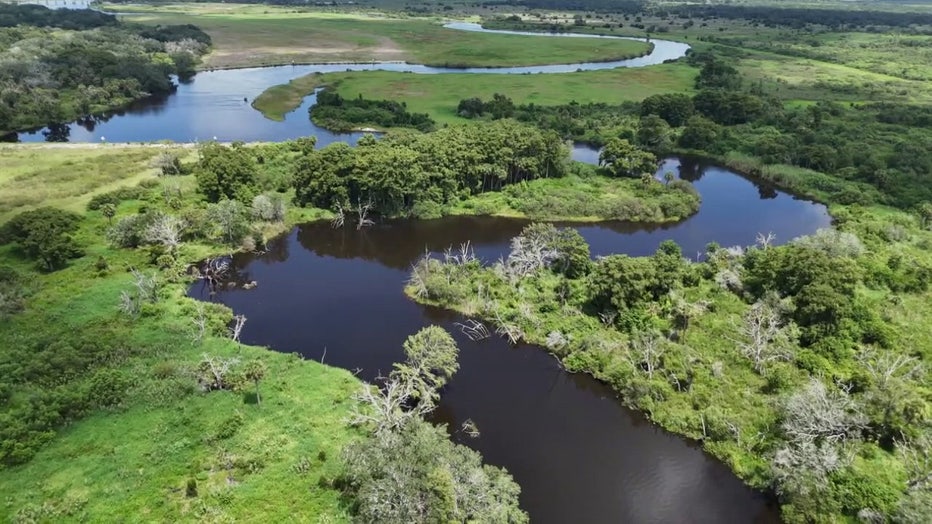
The ecological damage was so severe that lawmakers reversed course and committed to restoring the river’s natural flow.
By the numbers:
- 44 miles of restored river channel
- 40,000 acres of wetlands revived
- 2–3 years for native vegetation to regrow after reflooding
- 8/10 — Restoration progress rating from FAU scientist Amber Moore
What they're saying:
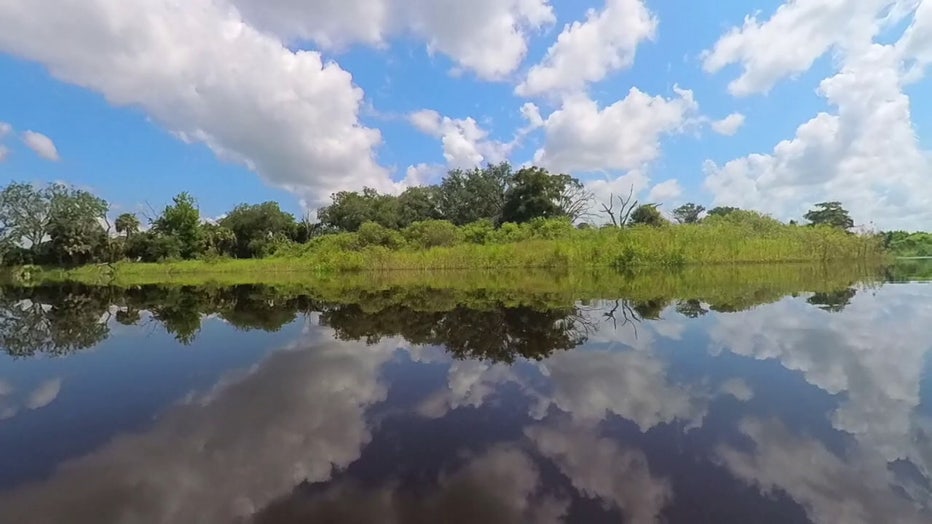
"There’s 40,000 acres of wetlands doing its part, like Mother Nature intended, to clean that water before it reaches Lake Okeechobee," said Amber Moore, an environmental scientist at Florida Atlantic University.
READ: Experts warn saltmarsh mosquitoes are bearing down on Tampa Bay area
"We can restore Mother Nature — and Mother Nature knows so much more than we do," Moore said.
Why you should care:
This project is proof that large-scale environmental restoration is possible and that it can produce measurable benefits in just a few years.
It also serves as a model for future wetland and river restoration projects across Florida, which could help fight nutrient pollution and improve resilience to flooding.
What's next:
State and federal agencies will continue monitoring algae blooms, water quality and wildlife to track the project’s long-term impact.
The Source: This story is based on reporting from FOX 13’s Breakthroughs in Science series, including an on-site tour with Florida Atlantic University environmental scientist Amber Moore. Archival state flood control films, historical project records from the South Florida Water Management District and U.S. Army Corps of Engineers documentation were also used.