

USF grad students study microplastics in mangroves
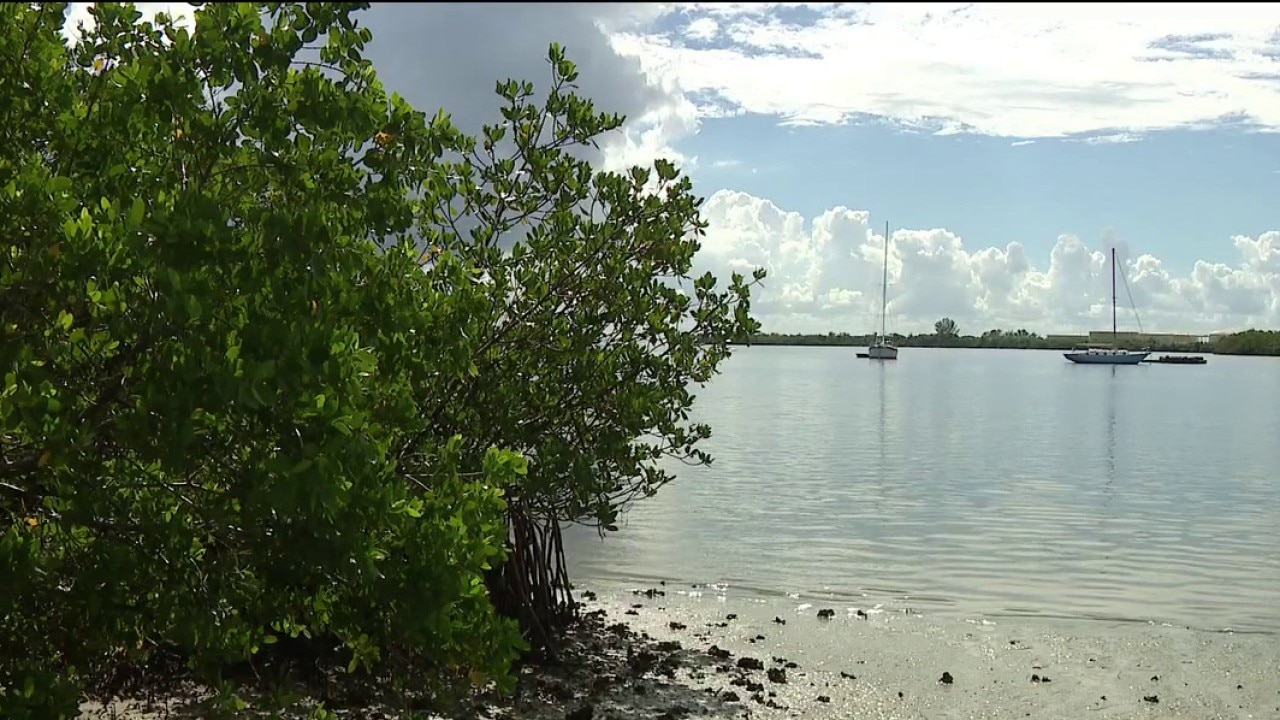
USF study probes microplastics in mangroves
Are the Bay Area's mangroves in a sink for microplastics? That's what grad students at the University of South Florida are trying to answer. FOX 13's Ariel Plasencia reports.
TAMPA, Fla. - From stormwater runoff to the wastewater leaving household washing machines, tiny plastic particles can find their way into Tampa Bay’s waterways.
Now, researchers at the University of South Florida (USF) are putting mangroves under the microscope to see if these plants are acting like "sinks" for microplastics.
What we know:
"I came across a few papers that made the statement that mangrove leaves, in particular, are sinks for microplastics, which just means that they are able to kind of accumulate things," Kate McLendon, a PhD student in USF’s department of integrative biology, told FOX 13. "And I thought that was interesting."
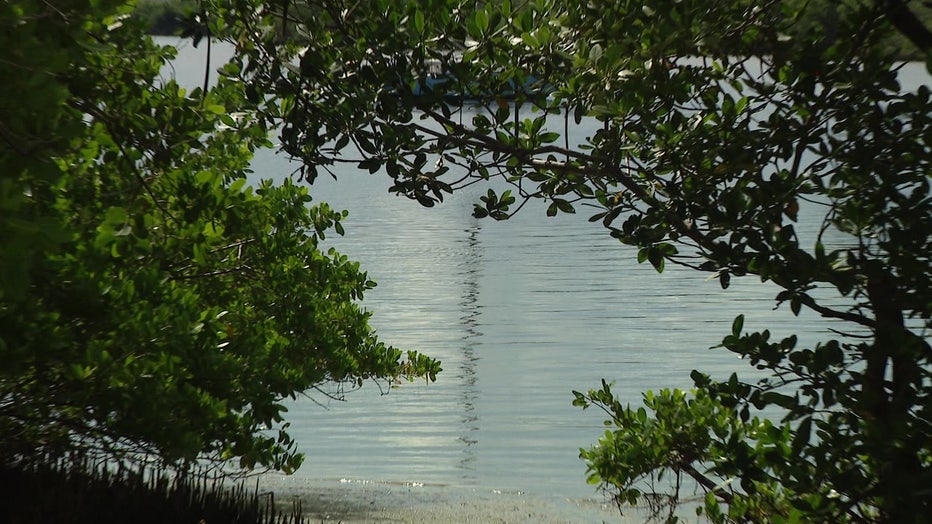
McLendon has been analyzing samples from mangroves at Gandy Beach, the TECO Manatee Viewing Center in Apollo Beach, Fort De Soto, and Upper Tampa Bay Park – all popular places where heavy visitor traffic could contribute to microplastics reaching nearby mangroves.
Dig deeper:
Mangroves can trap trash and debris as tides move in and out as mangrove tree crabs feed on the plant’s leaves.
So McLendon is studying the amount of microplastics in the crabs’ stomachs and on the mangrove leaves. She wants to know if the surface of the leaves can trap those tiny plastics — and if it makes a difference whether the leaf is healthy or damaged.
"The leaves that are damaged -- they have little holes, they have little scrapings on them from the crabs, from other insects as well, but the majority are crabs. Whether that is going to be trapping particles — so that would increase the abundance," McLendon said, thinking about what the study might reveal. "But it's also possible that since some of them have holes, some of them have lost surface area, that rain and things like that are just going to wash those particles away anyway."
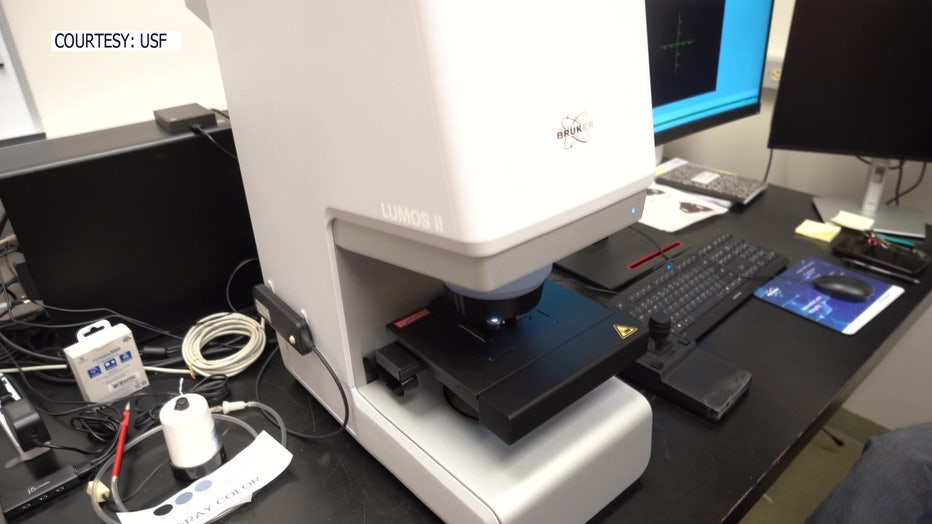
To find out, McLendon collects both damaged and undamaged mangrove leaves and rinses them into a beaker. That liquid is then poured through a filter, which is placed under a high-powered microscope.
Why you should care:
At the Gandy Beach site, McLendon said she and her colleague already discovered a high number of tire wear particles on those filters.
"It's really close to the road, a road that's traveled constantly, basically, and so I do think it's going to be interesting."
Mangroves serve as a natural defense against storms and as nurseries for fish.
What's next:
McLendon’s work is far from over as she continues this study, hoping future data will provide a clearer picture of how microplastics affect overall mangrove health and what it means for the future of Tampa Bay's coastal ecosystems.
The Source: Information for this story was gathered by interviews with USF researcher Kate McLendon.