

Florida citrus industry rebounds with new technology after years of decline

DUNDEE, Fla. - Florida’s citrus industry is experiencing a revival after years of struggling with canker and citrus greening, a pest-borne disease that devastated orchards statewide.
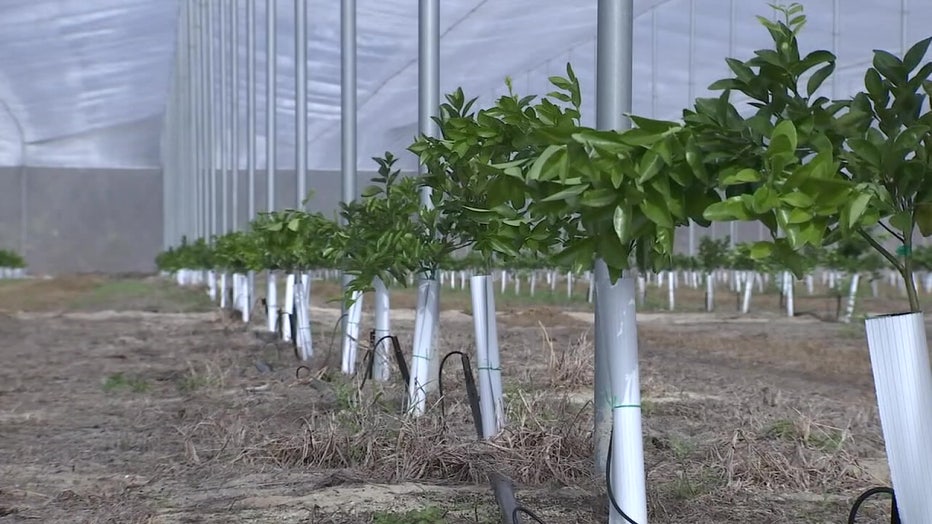
Dun-D Citrus Growers, a cooperative of local farmers, says trees are now thriving under CUPS — Citrus Under Protective Screen, a method that uses massive screened structures to exclude the Asian citrus psyllid that spreads greening.
"Per day, we’re packaging more than a million pieces of fruit," said Steven Callaham, the CEO of Dun-D Citrus Growers. "In 10 years from now, you’re gonna start seeing volume double."
The protective structures not only prevent disease but also diffuse sunlight, helping trees grow faster and produce higher yields. Density has increased to over 300 trees per acre — double the traditional method.
What they're saying:
"We see this great fruit coming through our packing house and going out to our customers, and we would not be able to do it without CUPS," said Jennifer Schaal, CFO of Dun-D Citrus Growers.

Why you should care:
Florida citrus is a major part of the state economy and supplies millions of oranges and grapefruits nationwide. The comeback could strengthen local jobs, preserve agricultural heritage, and ensure consumers have access to fresh, high-quality citrus for the holidays and year-round.
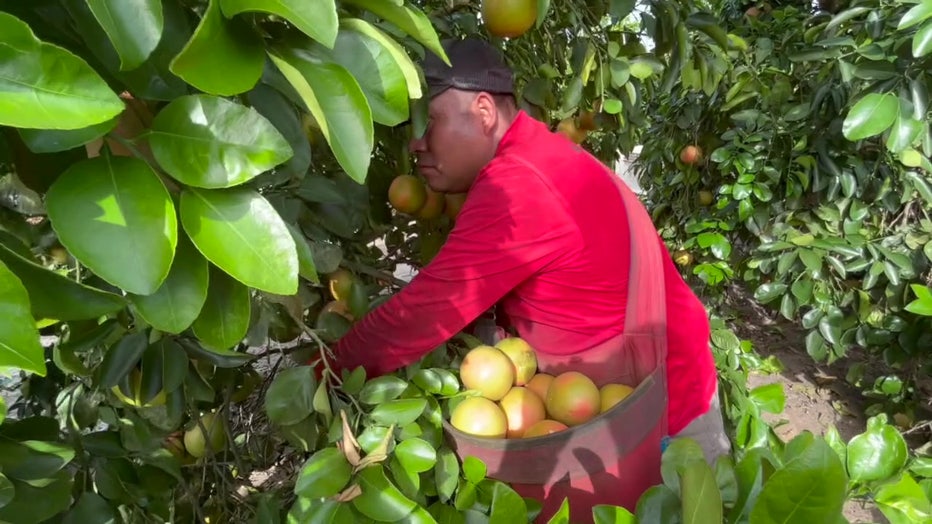
"We are building screen structures, then planting clean, healthy citrus trees inside of them. If you don’t have the disease, then you can go back to how you were growing citrus 30, 40 years ago," Callahamn said. "Even with hurricane damage, even with the large capital expense of making repairs, the numbers still work."
READ: Florida citrus production reaches lowest point in more than 100 years
Big picture view:
Florida citrus is moving from crisis to growth. New technology, scientific research, and legislative backing are combining to create a modern, resilient citrus industry capable of producing high yields while mitigating the historical threats of disease and pests.
What's next:
Growers plan to continue expanding screened groves and resistant varieties.
The industry will monitor yields, market demand, and environmental factors, including hurricanes and future disease pressures, to determine the long-term viability of the CUPS model.
The Source: On-site reporting and interviews by Craig Patrick, interviews with Steven Callaham and Jennifer Schaal, Dun-D Citrus Growers, Florida Department of Agriculture funding records, University of Florida research on CUPS (Citrus Under Protective Screen).