

Florida gets failing grade in new plastic pollution report, calls for stronger action

TAMPA, Fla. - A new report from the Ocean Conservancy is giving the United States a failing grade when it comes to fighting plastic pollution. The environmental non-profit gave the Sunshine State a 1.5 out of 5 stars for its current efforts, saying there's significant room for improvement.
The release coincides with Plastic Free July, a global campaign urging individuals and governments to cut down on single-use plastics.
READ: EPA’s research and development office eliminated; thousands laid off
What they're saying:
"Four out of five Americans want to see plastics addressed," said JP Brooker, the director of the Florida Conservation Program at Ocean Conservancy. "And yet, we’re only giving states an average score of 1.5 out of 5 stars."
Florida earned some points in the report for steps like banning intentional balloon releases and allowing communities to ban smoking on beaches, which helps reduce litter. But, Brooker said the state still has a major roadblock: It prevents local governments from banning single-use plastic items like bags and utensils.
Dig deeper:
Brooker said plastic pollution isn’t just an environmental issue, it’s also a threat to Florida’s economy.
MORE: Governor DeSantis signs deal to speed up Florida Everglades restoration projects
He also advocates for Extended Producer Responsibility (EPR) laws, already passed in seven states, that require manufacturers to help manage the waste they create.
Big picture view:
Florida isn't alone in its low score. The Ocean Conservancy’s report found that about 90% of states failed to meet basic standards for plastic waste reduction.
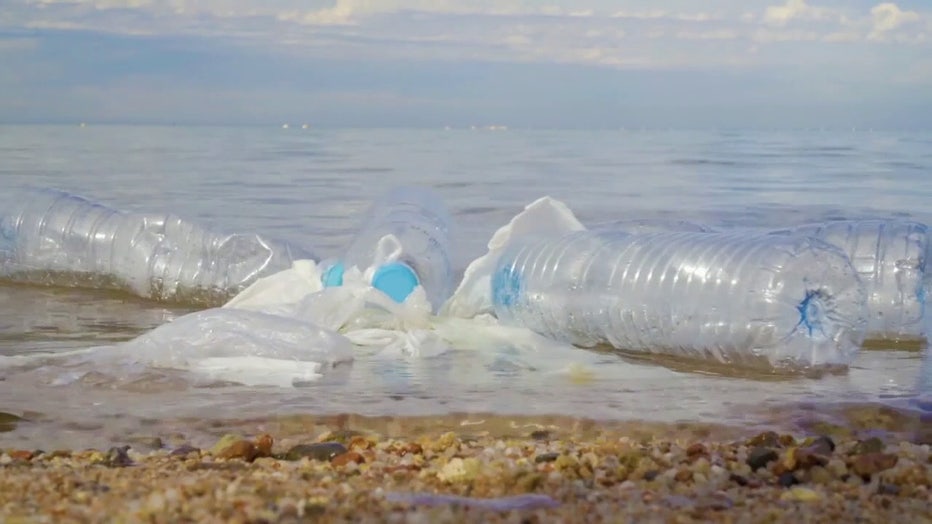
"The U.S. is the world’s number one generator of plastic waste," Brooker said. "We need to embrace a circular economy, where plastics are reused and recycled, not just thrown away."
Currently, the UN is working on global trade to reduce plastic pollution.
READ: Temple Terrace residents raise concerns over cancer-causing chemicals in drinking water
Why you should care:
The report comes as new studies show microplastics are increasingly being found in the human body, raising alarms among health professionals.
"The problem is even worse now," said Dr. David Berger, a Tampa-based pediatrician. "It’s already in our water supply. It’s in our food. Even if people start avoiding plastics today, it’s still everywhere."
The Ocean Conservancy’s report compiled the top ten items collected on Florida beaches. The top three items were the following:
- Cigarettes Butts
- Plastic bottle caps
- Food wrappers
Plastics straws came in at No. 7.
Despite awareness campaigns, cigarette butts have remained the number one item for years, highlighting the ongoing challenge of changing public habits.
The Source: The information in this story was gathered by FOX 13's Genevieve Curtis.