

Florida ranks No. 2 in the US for child hot car deaths after string of recent tragedies
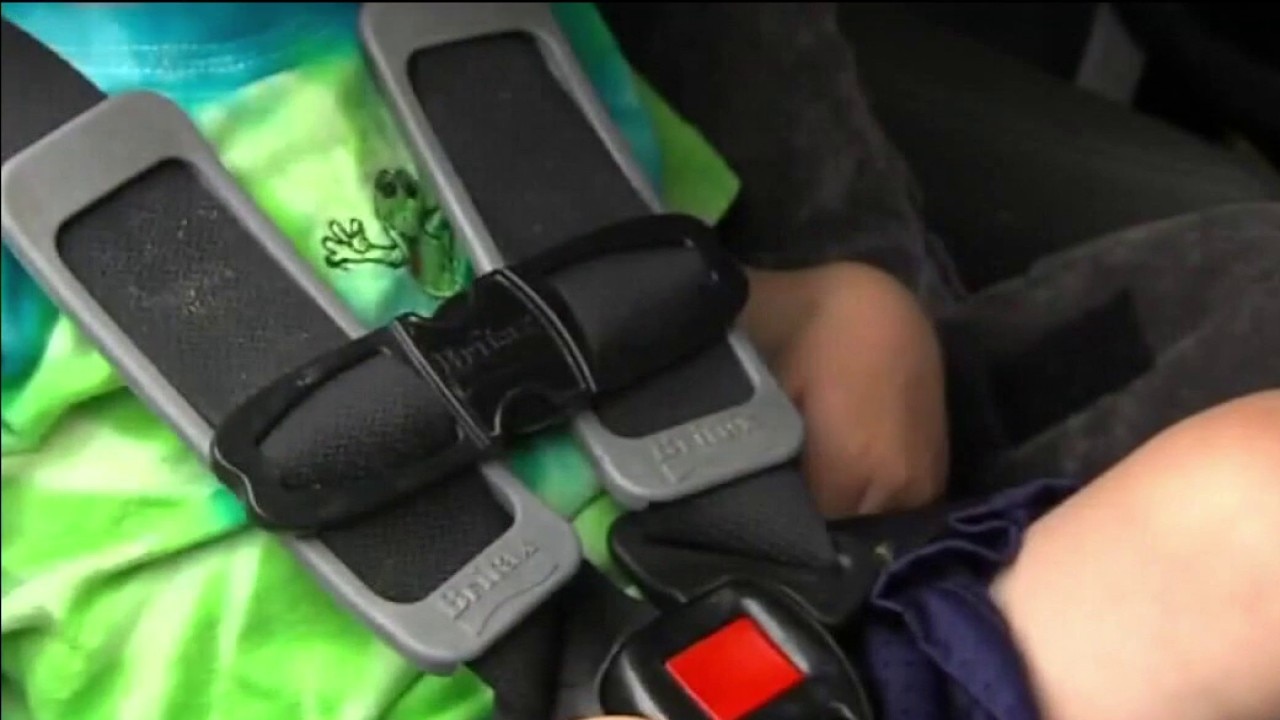
Hot car dangers
A series of Florida tragedies is putting the spotlight back on the dangers of hot cars. FOX 13's Heather Healy reports.
TAMPA, Fla. - As summer heat sweeps across the Bay Area, safety advocates and medical professionals are warning parents and caregivers following a string of recent hot car tragedies in Florida that have catapulted the state to a heartbreaking milestone. The state ranks number two in the country for child hot car deaths.
Florida child hot car deaths
By the numbers:
Nationally, nearly 40 children die in hot cars every year, averaging about one death every nine days. This year alone, 10 hot car deaths have already been recorded across the United States, with four of those tragedies occurring right here in Florida.
The most recent Florida fatality occurred this past Sunday in Hallandale Beach, where a two-year-old child died inside a hot car while under the care of a babysitter. Although outdoor temperatures reached 93 degrees, humidity pushed the "feels-like" heat index to between 103 and 108 degrees across the state.
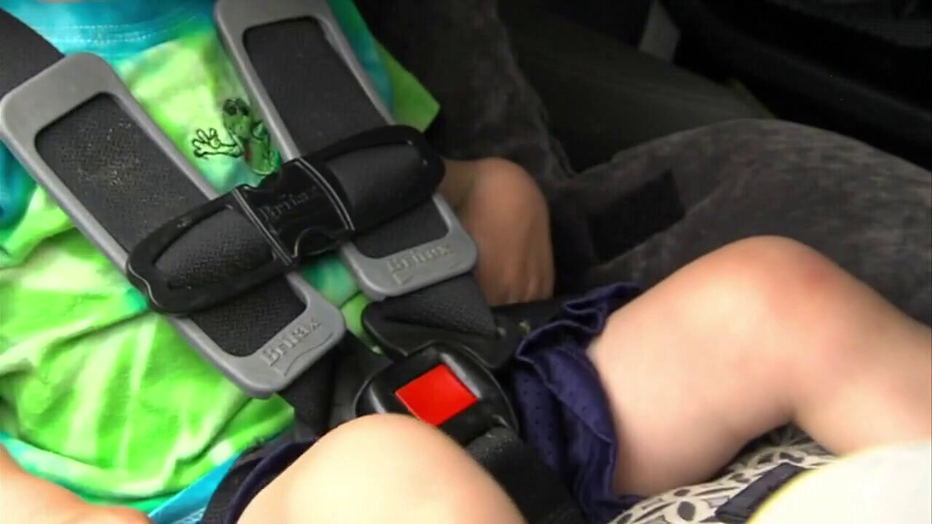
The tragedy came less than a week after another devastating incident outside a Florida early learning center in Plantation, where a father went to pick up his son after work, only to realize he had accidentally left the boy in the hot car all day. The father did not discover the tragedy until he opened the back door to prepare the car seat. Earlier this year, similar hot car fatalities claimed the lives of young children in Riverview and Winter Haven. All the Florida victims this year were aged three or younger.
Why children are vulnerable
Dig deeper:
Medical experts say it takes very little time for a vehicle to transform into a deadly environment. Temperatures inside a car can climb an astonishing 20 degrees in just 10 minutes, even if the windows are cracked.
According to pediatricians, children are uniquely vulnerable to these rapid temperature spikes.
"The main reason is that they just have a lower surface area," Dr. Genon Wicina, a pediatrician with Cleveland Clinic Martin Health, said. "They're not able to dissipate the heat nearly as much as an adult. But also, children get themselves in situations in cars where they don't know what to do to get them out of it. So, if they're feeling hot, they may just start feeling sleepy instead of saying, 'I need to open up the car door and get out.'"
Misconceptions and shifting routines
A common misconception is that hot car deaths only occur due to intentional neglect, but data tells a vastly different story. Amber Rollins, executive director of Kids and Car Safety, says that the vast majority of these incidents involve loving, attentive caregivers.
Data tracked by the organization shows that roughly 54% of hot car deaths happen when a child is unknowingly left behind by a responsible caregiver, often due to a change in daily routine. About 15% of cases involve children who were knowingly left in a vehicle, while approximately 25% occur when a child manages to sneak inside an unattended vehicle on their own and becomes trapped.
Medical and safety perspectives
What they're saying:
"Most of the time it's somebody who loved that child who was responsible for their death and had no idea it was happening," Rollins said. "It's incredibly frustrating that it still happens because we know that there are safety solutions out there that could prevent this."
Advocates point out that federal preventative measures have stalled. The National Highway Traffic Safety Administration (NHTSA) was mandated to issue a rule requiring the auto industry to equip all new vehicles with occupant detection technology to alert drivers to a child in the backseat. However, the agency has yet to finalize that.
Preventative back-seat routines
What you can do:
Because routines can change unexpectedly, experts urge families to build physical "fail safes" into their daily lives rather than relying purely on memory:
- Look before you lock: Get into the habit of opening the back door every single time you park.
- The backseat trick: Place an item in the backseat next to your child that you absolutely cannot leave without — such as your cell phone, purse, wallet, or even your left shoe.
- Lock the vehicle at home: Always lock your car doors when it is parked in the driveway or garage.
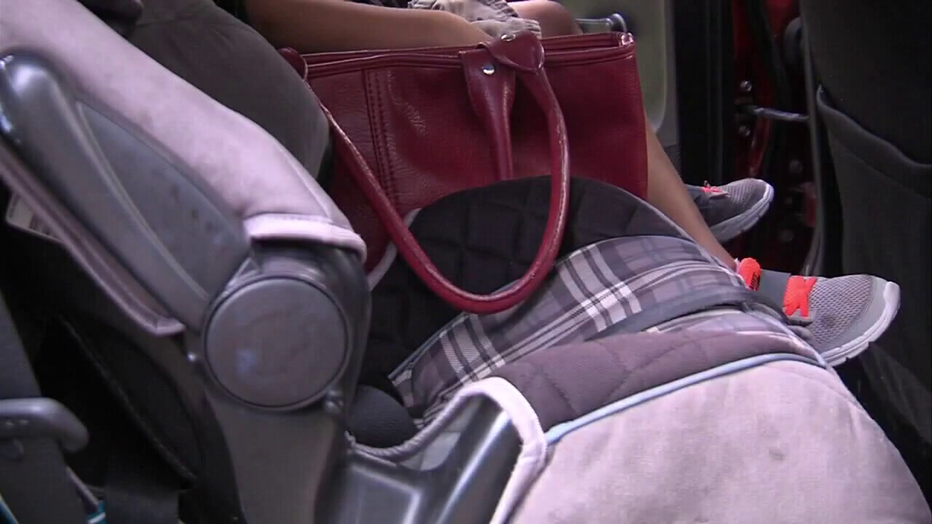
"Many people don't think about locking their cars in their driveways because they feel like, 'It's in my driveway, it's fine,'" Wicina said. "But kids are curious. And it could be a neighbor kid that's going to come over, open up that car door and get in there, and then panic, not know what to do."
- Communicate with caregivers: If someone else is driving your child around, or if they are headed to daycare, check in occasionally to confirm they arrived safely. A quick text or phone call serves as a vital reminder for the driver.
The Source: Information for this story was gathered from data provided by the Kids and Cars organization, including an interview with the executive director, as well as a pediatrician with Cleveland Clinic Martin Health.