

Native American photographic exhibit in St. Pete explores history and controversy
Native American photo exhibit opens in St. Pete
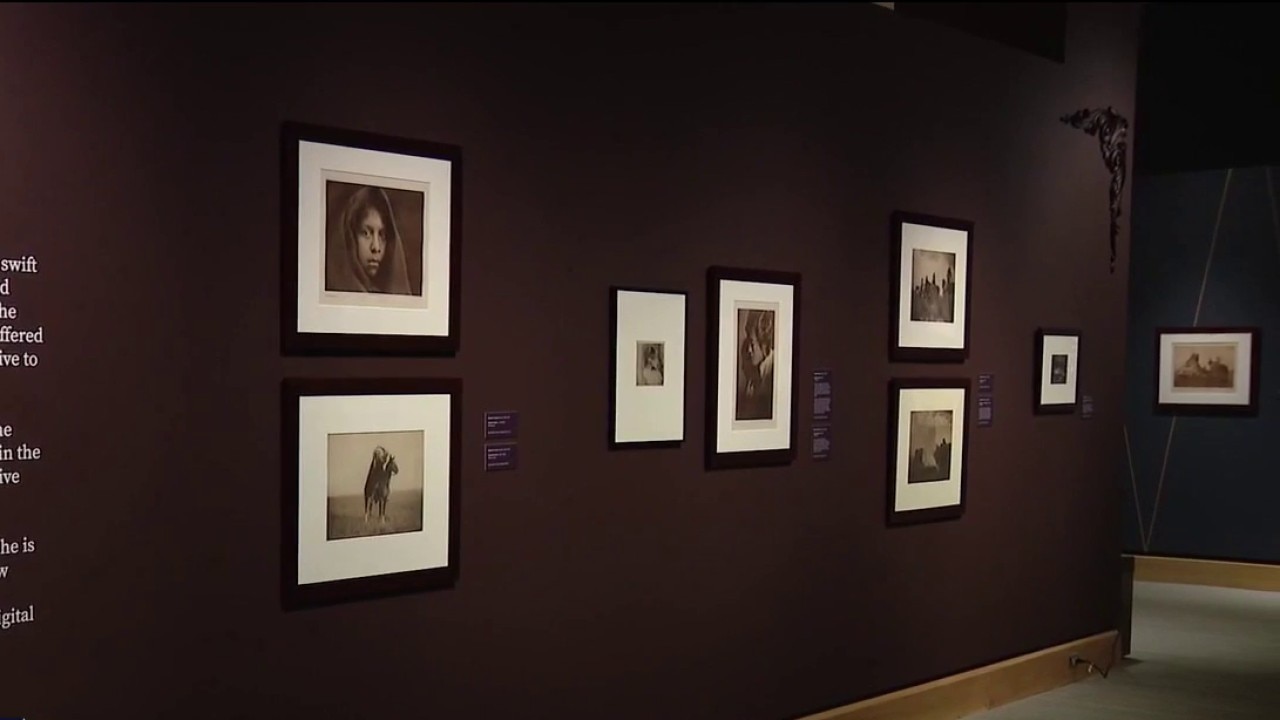
A controversial new Native American exhibit is on display at The James Museum of Western & Wildlife Art in St. Petersburg.
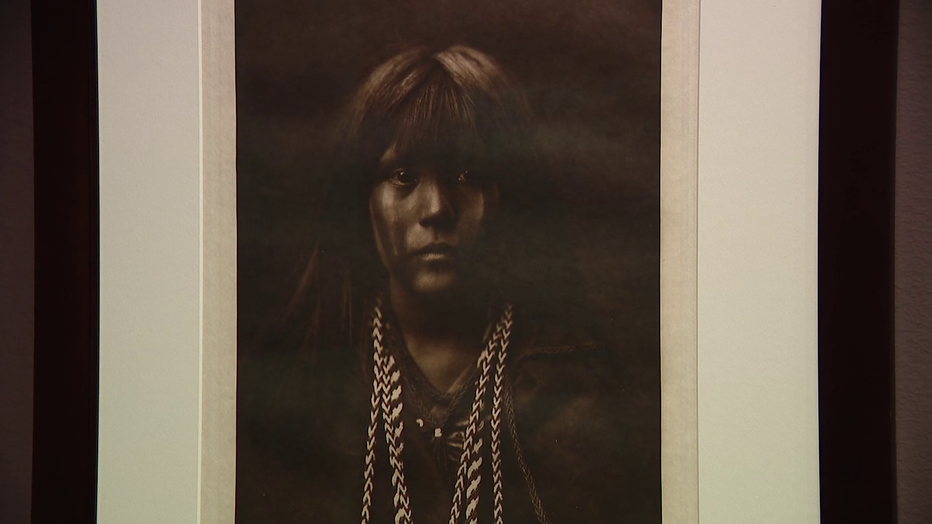
ST. PETERSBURG, Fla. - His career behind the camera spanned much more than 30 years, but that’s how much time he spent documenting the North American Indian. Now, the photographic collection of Edward S. Curtis is on display at The James Museum of Western & Wildlife Art.
While the images capture a distinct period, the viewer is challenged to examine the motive as well as the history behind the project.
The backstory:
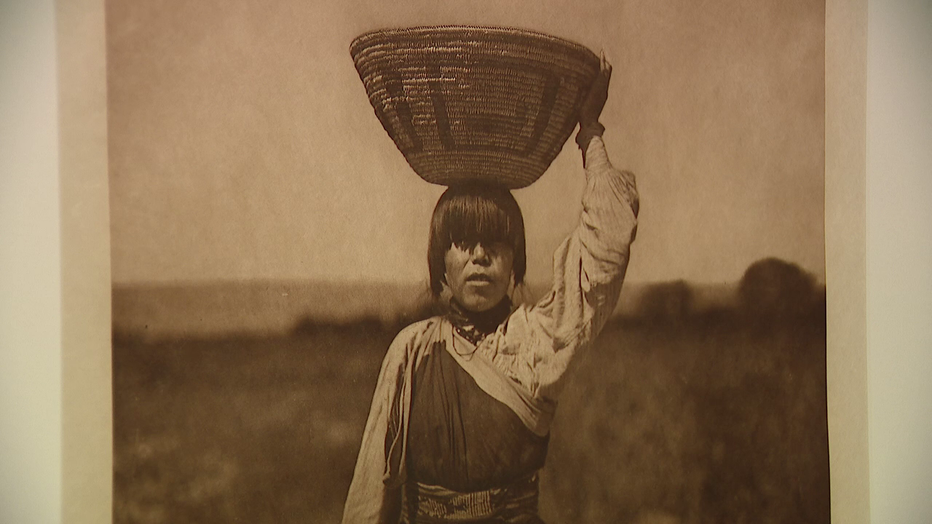
"Edward Curtis is a really interesting character," Associate Curator Caitlin Pendola said. "He's most known for his extensive record of Native American communities, and he was working on this project for 30 years. So, he was wildly ambitious. It took everything out of him, but he did complete the project. And he visited around 85 Native American communities."
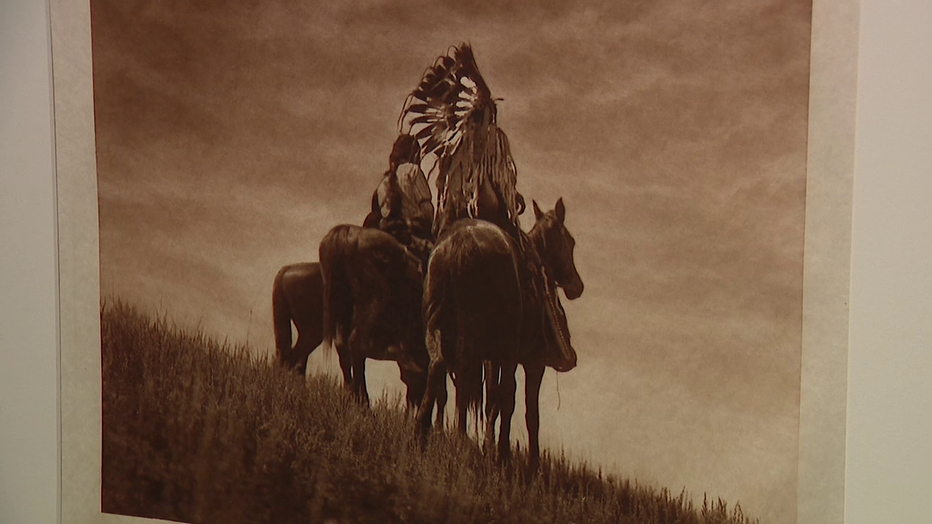
That extensive work took Curtis all over the American West and Northwest. However, the timeframe he visited those communities in started in the early 1900s before World War I.
"So, at the beginning everyone was romantic and nostalgic for the past. And his artwork reflects that. It's very romanticized and idyllic imagery and pretty," Pendola said. "Then after that, in the 1920s, there is more emphasis on the working class and working-class struggles."
But the controversy that arose around Curtis’ work wasn’t his bold imagery or his pictorial landscapes, it was his attempt to make things seem different than they were to the point of editing out parts of the images or adding props or "traditional" items like headgear or clothing.
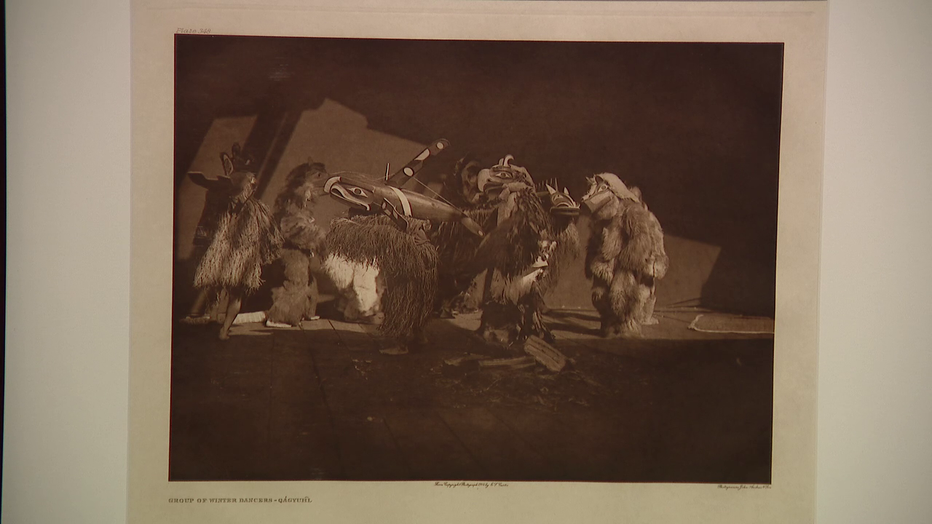
"Edward Curtis was, I think, he thought of himself as a fine art photographer," Pendola said. "He really blended the line between ethnographer though, with his photographs as an artist. So that's where his work becomes kind of complex sometimes, and fascinating, and sometimes controversial, even because he often prioritized artistry over... strict information."
This exhibit invites the viewer into that conversation about Curtis with his intent in question and the result on full display.
"One of the things that makes Edward Curtis controversial is that he was trying to depict and portray Native American life before white influence, which is impossible because he was working from about 1900 to 1930… people had been influenced and there was no going back," Pendola said. "At this point, so he was documenting this time, we call it today salvage ethnography, that can be very controversial. He was trying to salvage and document this time that just didn't really exist anymore."
READ: One woman's journal from the 1840's brought to life in James Museum Exhibit
What they're saying:
While the controversy of the project remains a part of the exhibition, Pendola wanted to be sure that visitors are still aware and exposed to the actual content that this project represents.
"Edward Curtis' project, which is, it's really hard to overstate how massive it was. He was creating what he titled the North American Indian, and it's 20 volumes of text and photographs," Pendola said. "So, sort of similar to what you would think of as an encyclopedia. And he was doing that and covering all of the North American Indian tribes of the American West."
For all the focus to be on Curtis and what his motivation was, the viewer could miss the point of what he actually did for the Native American community.
Curtis created a photographic history of a people that did not exist before and still represents a culture and a time period unmatched by any other documentation here in the United States.
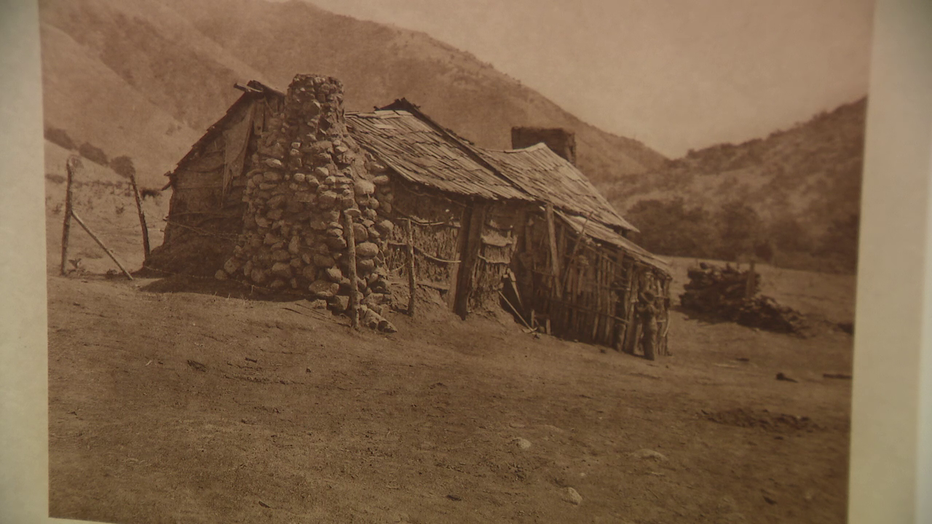
Pendola put it this way, "as I was developing this idea for this exhibition, I realized that I was so focused on what influenced Curtis in the art movements that I was talking about, [that] I was ignoring possibly the most important part, which is that he was heavily inspired by the people that he met and the places that he went."
To address this directly, Pendola created a display within the exhibit, a seating area that allows for a reflection on those people who inspired the project.
"So, we have 85 portraits in one room surrounding the viewer. So, it's very immersive. And it's 85 portraits, one representing each tribe that Curtis visited," Pendola said.
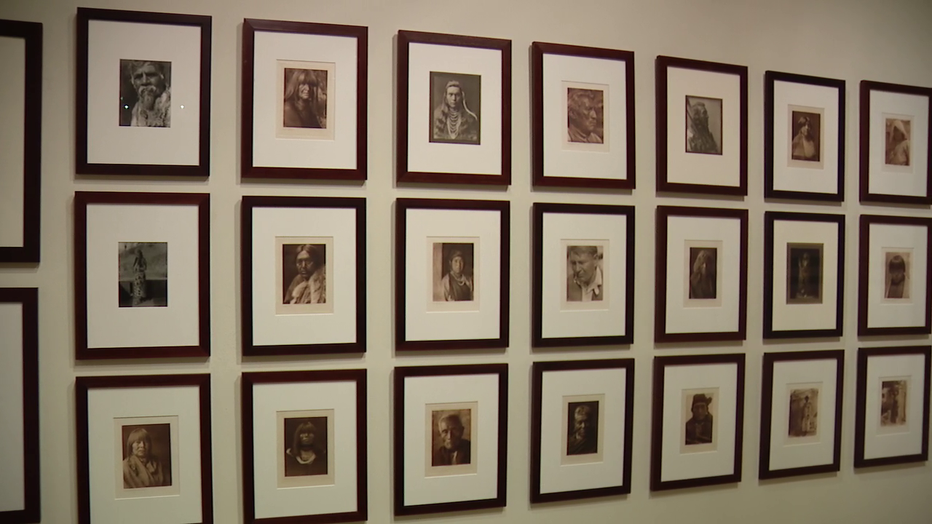
And that part of the project has inspired her to dig deeper into the subjects, the people in each photo.
"This is kind of the start of a research initiative that I started to try to identify ideally all the people in Edward Curtis' photographs," Pendola said. "Myself and a colleague of mine have done a lot of research into trying to find out who some of the people are. And in a lot of ways, we've been very successful."
"We're also turning it into a crowdsourcing initiative of sorts and hoping that the public will help us. And if they know something about someone, we encourage them to write (the museum) and tell us about the person," Pendola said.
What's next:
To learn more about Edward S. Curtis and the exhibit currently on display at The James Museum of Western & Wildlife Art, visit here.
The exhibition continues through March 29.
The Source: This story was written based on in-person interviews at The James Museum of Western & Wildlife Art.