

U.S. Military strategy against drug traffickers sparks debate in Washington

Venezuela seeks to criminalize oil tanker seizures
The U.S. Military is preparing for action in Venezuela as strikes continue off its coast. FOX 13's Craig Patrick reports.
WASHINGTON, DC - The U.S. government has historically treated drug traffickers as criminals, using interdiction and prosecution.
The Trump administration now frames certain drug cartels and their ties to Venezuela as a national security threat, designating them as terrorist organizations and enemy combatants.
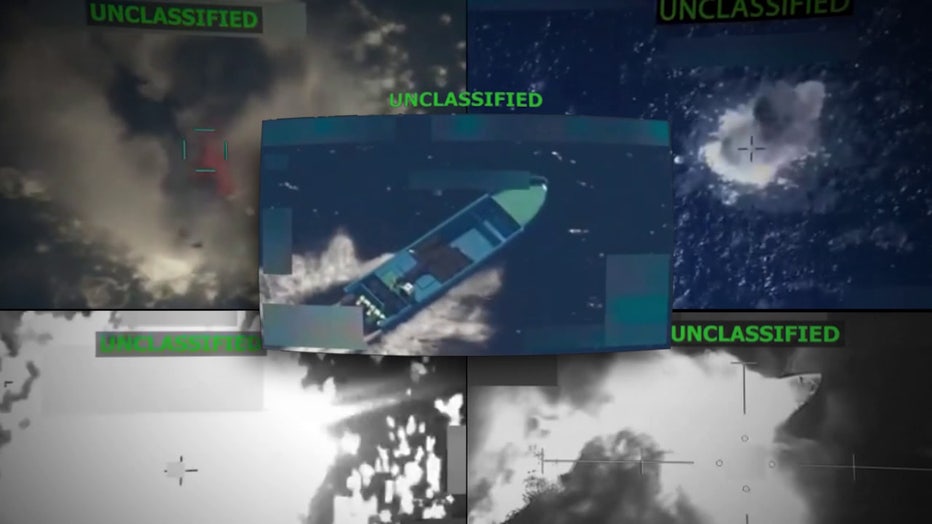
This opens the door to military action rather than solely law enforcement measures.
What they're saying:
Sen. Marco Rubio emphasized that Venezuelan President Nicolás Maduro is an indicted drug trafficker and fugitive of U.S. justice.
Administration officials say Maduro’s government works with narco-terrorist groups, including FARC, to control territory, exert political power, and engage in extortion, kidnapping, and blackmail.
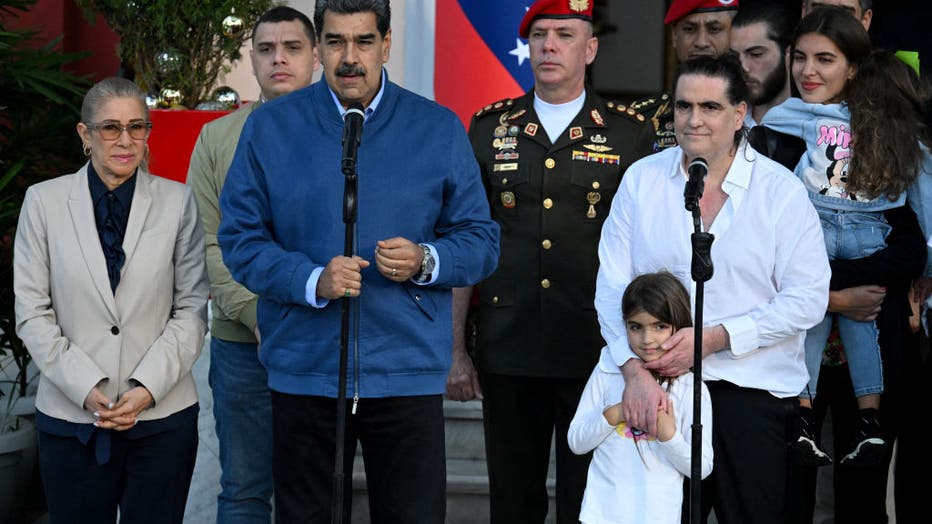
Venezuela's President Nicolas Maduro (2nd-L) speaks next to Colombian businessman Alex Saab (R) upon his arrival at the Miraflores Presidential Palace in Caracas on December 20, 2023. (Photo by Federico Parra / AFP) (Photo by FEDERICO PARRA/AFP via G
White House Deputy Chief of Staff Stephen Miller described these groups as "the ISIS of the Western Hemisphere."
Retired Col. E.J. Otero explained that what began as traditional drug trafficking has evolved into a military threat due to government support of terrorist-linked groups.
RELATED: US seizes oil tanker off coast of Venezuela as tensions mount
The other side:
Critics, including U.S. Sen. Rand Paul (R-KY), argue the policy blurs law enforcement and warfare, risking civilian casualties.
Paul noted that about 25% of Coast Guard interdictions of suspected drug vessels find no drugs, highlighting the dangers of lethal military action.
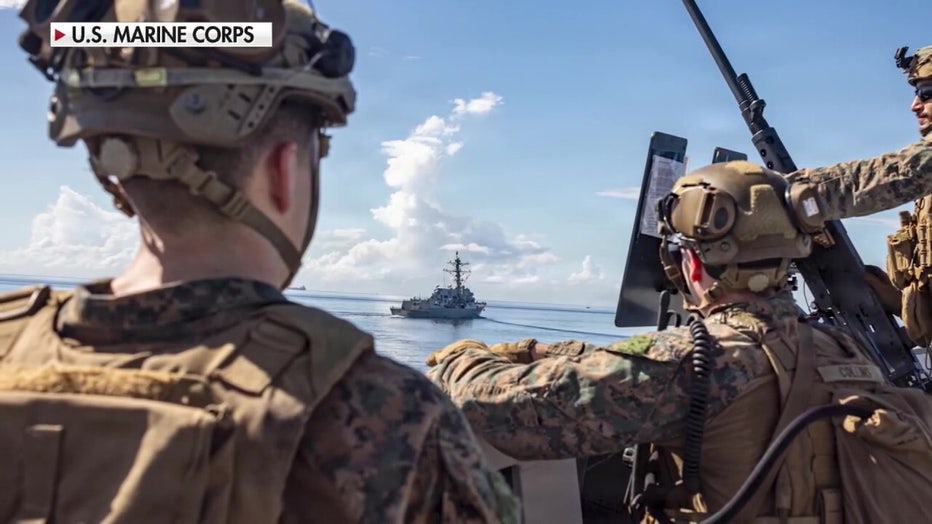
Courtesy: U.S. Marine Corps
Opponents also challenge the classification of drug traffickers as terrorists, arguing that terrorism requires ideological or political goals, not profit-driven criminal activity.
Rep. Adam Smith (D-WA) questioned whether this constitutes a war and the absence of congressional authorization via the War Powers Resolution.
Why you should care:
The debate affects U.S. military engagement, the rule of law, and international norms.
Expanding military action against drug traffickers could set a precedent for how the U.S. addresses cross-border crime, potentially increasing risks to civilians and raising legal questions about executive power.
What's next:
The policy is likely to remain a contentious topic in Washington.
RELATED: Nobel Peace Prize winner rescued by Tampa-based organization
Congress, legal experts, and advocacy groups will continue to weigh in on the legality and potential consequences of treating drug traffickers as enemy combatants.
The Source: This report is based on interviews conducted by FOX 13 Political Editor Craig Patrick, statements from U.S. lawmakers and administration officials, and expert analysis on U.S. drug enforcement and military policy.