

America after Katrina: 20 years later, lessons that changed disaster response

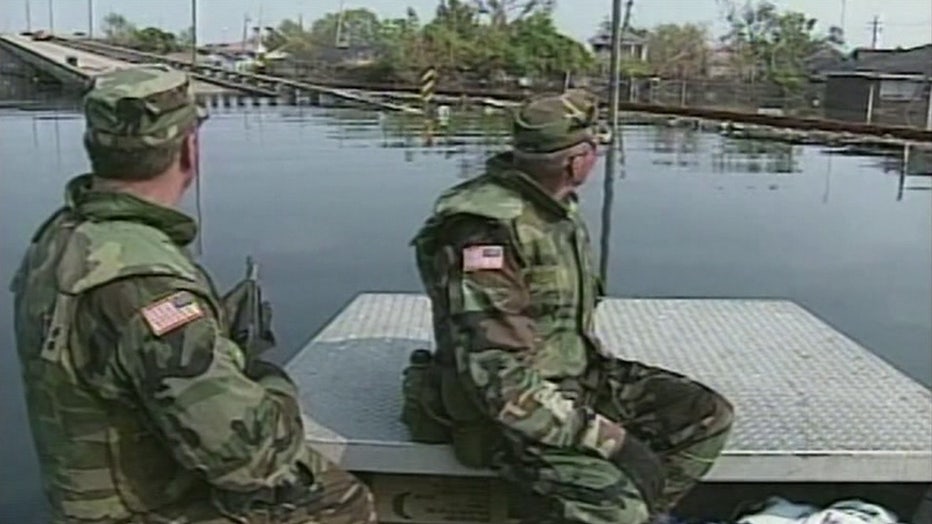
TAMPA, Fla. - On August 29, 2005, Hurricane Katrina hit the Louisiana/Mississippi Gulf Coast, leaving more than 1,800 people dead and entire communities destroyed. The storm not only exposed vulnerabilities in levees and infrastructure but also highlighted gaps in emergency planning and federal response.
First responders spent weeks searching for survivors, rescuing families and even pets — many of which were left behind. At the time, pets were barred from public transportation during evacuations, which led some families to stay behind.
MORE ‘AMERICA AFTER KATRINA’:
- America after Katrina: Eyewitness to disaster
- America after Katrina: Lessons from New Orleans
- 20 years after Katrina: Stories of survival, courage and challenges
- 20 years after Hurricane Katrina: How the storm changed America
That changed in the years that followed, with states like Florida now requiring pet-friendly shelters and mandating that people be allowed to evacuate with their pets.
The backstory:
Hurricane Katrina revealed serious flaws within FEMA, which had recently been folded into the Department of Homeland Security. Craig Fugate — then Florida’s Emergency Management Director — said bureaucracy and staff losses slowed the response.
Congress later gave FEMA more authority, required experienced leaders at the top, and streamlined processes to ensure faster decisions in future disasters.
READ: How hurricane forecasting has changed since Katrina
What they're saying:
"It’s mandated, and Florida has a very strong law now that you must take your pet with you," USF Distinguished Professor Emerita Dr. Susan MacManus said on pets and shelters.
"It taught me the value of resilience and preparedness," Captain Blake Burkett, U.S. Navy, said.
MORE: Hurricane Katrina fueled major reforms at FEMA. Now, its future is uncertain
The Seabees' Role
Local perspective:
In Gulfport, Mississippi, Navy Seabees, including a team led by Lt. (now Capt.) Blake Burket, helped lead recovery efforts. His teams set up large tents block by block, cleared debris, and restored traffic routes.
"No plan is perfect, and you will always deviate from it, but having a plan to deviate from enables so much quicker response," Capt. Burket said.
Their model of rapid, flexible, effective disaster response serves as a gold standard today.
READ: Maps: New Orleans before & after Hurricane Katrina's floods
What's next:
The legacy of Katrina reshaped emergency management across the U.S. Today, state, local and federal responders train together, pre-stage supplies, and pre-approve deployments before storms hit. Engineering projects to protect coastlines and reduce flood risk remain ongoing.
FOX 13’s America After Katrina series explores these lessons in detail, featuring survivors, first responders, and military leaders who helped shape America’s recovery.
The Source: This report is based on interviews conducted by Craig Patrick in 2005 and 2025. Sources include USF Distinguished Professor Emerita Dr. Susan MacManus, Craig Fugate, former FEMA Administrator and Florida Emergency Management Director, and Capt. Blake Burket, Commanding Officer - NAVFAC OICC Marine Corps Marianas. Additional information comes from on-the-ground reporting in Mississippi and Louisiana during and after Hurricane Katrina.