

Doctors warn Senate that Gen Z cognitively underperformed previous generation — screen time could be to blame
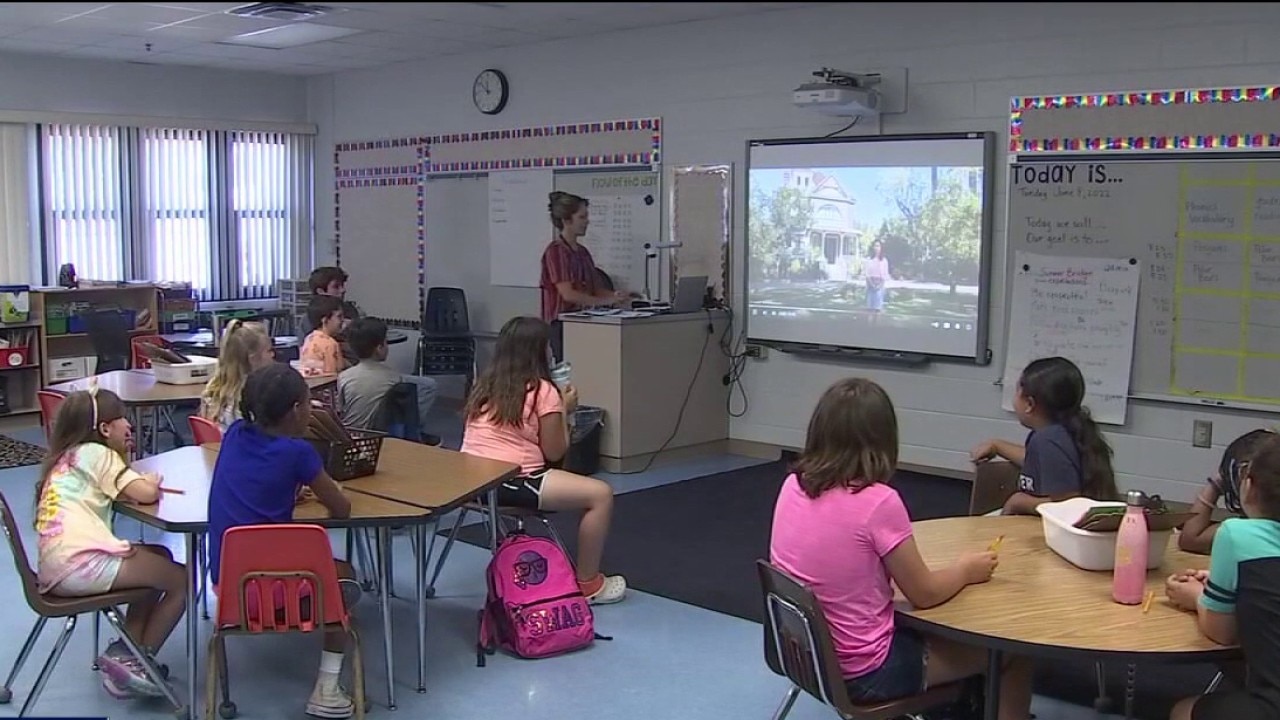
CLEARWATER, Fla. - For the first time in modern history, experts told a U.S. Senate committee that children may not be getting smarter than the generation before them, and they said screen time may be playing a major role.
Neurologists and pediatricians testified that Gen Z is the first generation to cognitively underperform the one before it, based on decades of standardized cognitive data.
READ: Meta researcher warned of 500K child exploitation cases daily on Facebook and Instagram platforms
Big picture view:
During Senate testimony before the committee on Commerce, Science and Transportation, Dr. Jared Cooney Horvath told lawmakers that for more than a century, each generation consistently outperformed the one before it, until now.
"Our kids are less cognitively capable than we were at their age," Horvath testified.
According to experts, Gen Z is underperforming in multiple cognitive areas, including memory, attention, executive function and overall IQ, a trend they said began around 2010, when digital technology rapidly expanded into classrooms and everyday life.
MORE: Discord rolls out new safety features: What to know
Doctors told senators that even educational screen use can come with unintended consequences when it replaces traditional learning methods because, biologically, our brains are wired to learn from humans not screens.
Why you should care:
Neuroscientist Dr. Patrick Porter told FOX 13 that the concern isn’t that kids today aren’t intelligent, it’s how their brains are being trained.
"Our brains are not designed for this day and age," Porter said. "We need to train differently to get the brain to work with all the technology that we have today."
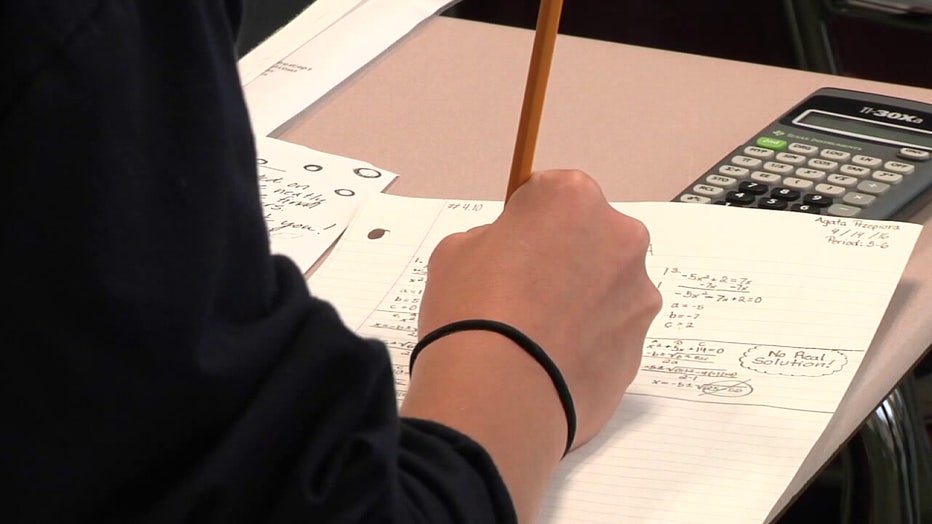
Porter explained that screens often promote fast recall instead of deep learning and can overstimulate the brain, even during games designed to be fun.
READ: Smartwatch Health Alerts: Tampa cardiologist shares when to see a doctor
"When you’re looking at a screen, your brain is trying to predict every one of those pixels," he said. "It’s actually stressing out. When we show kids playing even fun games, their brain gets disoriented. They need to take some recovery time away from that technology and learn in rhythms and learn with actual conversation and creativity."
Clearwater-based neurologist Dr. Dinesh Sivakolundu said heavy screen use can disrupt attention and working memory while kids’ brains are still developing.
"When attention is altered, there are other things that get affected," Sivakolundu said.
Both doctors stressed that technology itself isn’t the enemy, but unregulated, non-stop screen time can come at a cost. When used in a structured way, Sivakolundu said technology can still be beneficial. But at home, doctors said parents can help by prioritizing offline habits.
Porter recommended movement, adequate sleep, emotional connection, creativity and regular breaks from screens, all of which he said are essential for learning.
MORE: 3D printed organs helping TGH doctors better prepare for difficult surgeries
"If we don’t have those things," Porter said, "the brain can’t learn."
What's next:
During the hearing, senators from both parties voiced concern about the long-term impact of screen time on children and said they are considering different approaches to regulations and ways of addressing the issues raised.
The Source: Sources for this reporting came from U.S. Senate committee testimony on kids and screen time, an interview with Dr. Patrick Porter, a neuroscientist, and an interview with Dr. Dinesh Sivakolundu, a neurologist.