

Florida Poly to launch cybersecurity and AI laboratory on campus
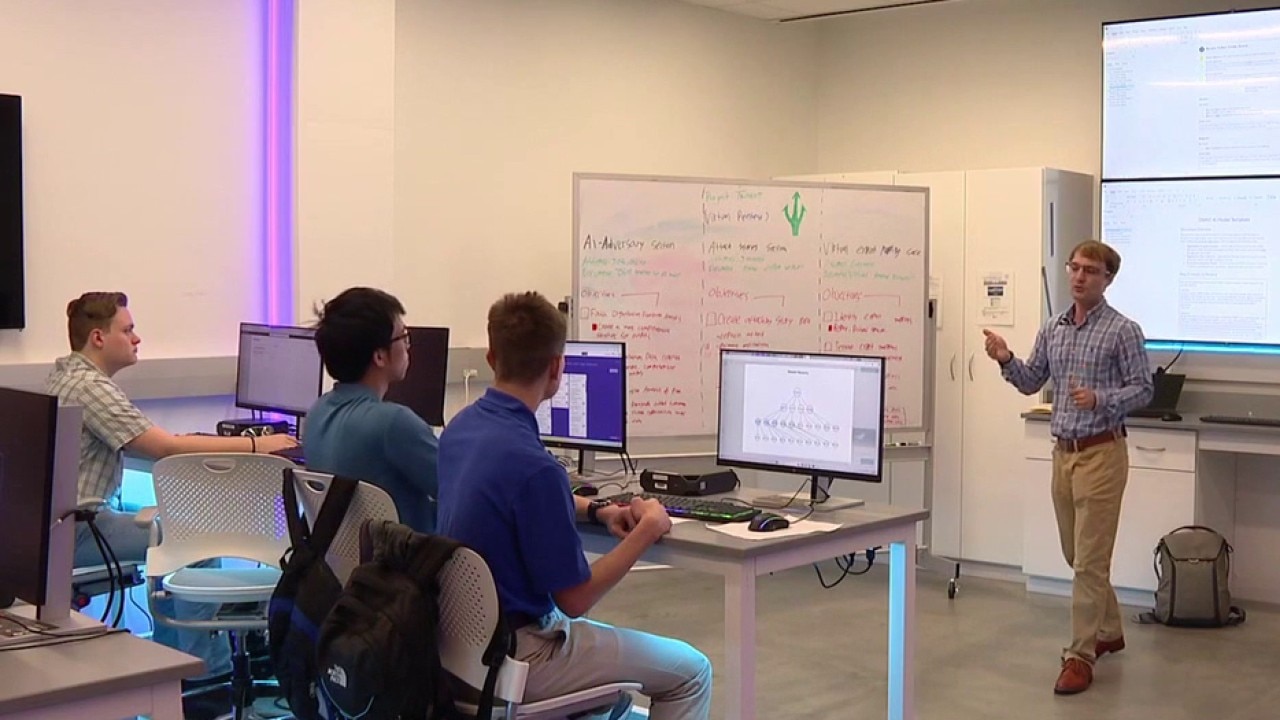
Florida Polytechnic plans AI lab expansion
A new AI lab is coming to Florida Polytechnic University, thanks to millions of dollars in federal funding. FOX 13's Carla Bayron has the story.
LAKELAND, Fla. - After receiving nearly $3 million in federal funding, the security operations center on campus will be expanded with the addition of an artificial intelligence lab.
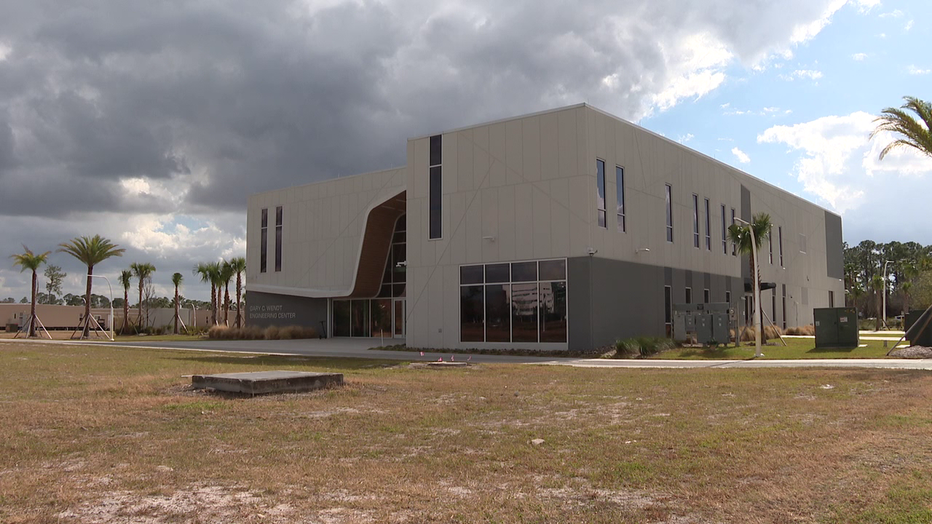
It'll be located on the second floor of the new Gary C. Wendt Engineering Center.
The lab will have a high-tech, secure environment where students will learn how to perform network operations and research and development.
Florida Polytechnic University is developing a next-generation laboratory on campus designed to drive innovation, research and real-world advancements in both cybersecurity and artificial intelligence.
The backstory:
In October, the university launched its Security Operations Center, or SOC, where paid student interns get real-world experience hunting digital threats.
MORE NEWS: Agape Flights pilots killed in Haiti plane crash identified: ‘Our hearts are heavy’
Now, thanks to nearly $3 million in federal funding, the SOC center will be expanded with the addition of an artificial intelligence lab.

It'll be called the Public Service Applied Innovation Laboratory, or PSAIL for short.
"This is focused on public service innovation," Cole Allen, the VP of Information Technology and CIO, said. "This expands the partnership we already have with the Polk County Sheriff's Office where our students have partnered with them to create impactful tools for that office. We're hoping to expand that partnership with them as well, but also with other public service and safety institutions."
It'll be located on the second floor of the new Gary C. Wendt Engineering Center on campus.
Dig deeper:
The lab will have a high-tech, secure environment where students will learn how to perform network operations, research and development.
"There can be workflow automation and data science," Allen said. "Those kinds of things as well, so not just things related to cybersecurity or policing, but really anything AI can help with in the public sector context."
Students will get training in next-generation technology that's ever-growing and evolving.
"So when they do enter the workforce here in Polk and Central Florida, they'll be able to be a real asset to their employers by knowing what's coming next," Allen said.
What's next:
The university hopes to receive the funds in the next couple of months, and construction would begin soon after.
The Source: The information in this story was gathered from Florida Polytechnic University.