

Hillsborough dengue response could top $1M as county awaits new case numbers
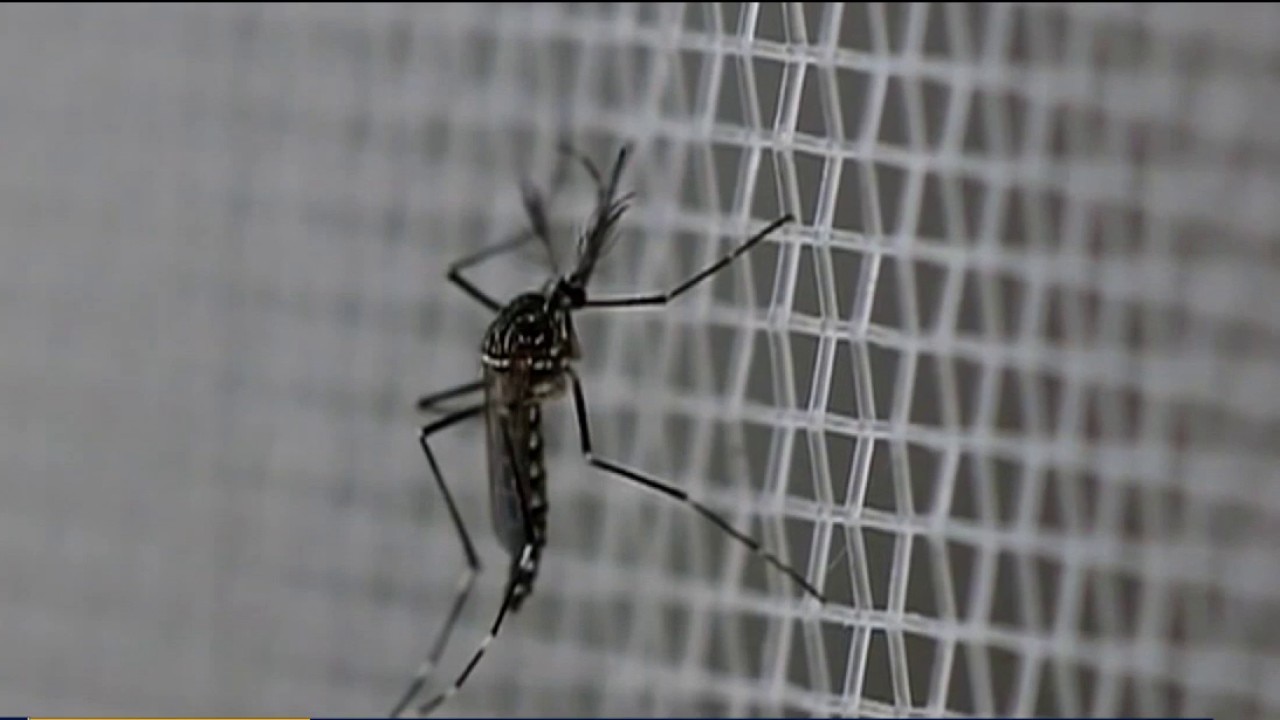
Hillsborough to get dengue fever update
On Wednesday, Hillsborough County commissioners are supposed to get an update on the county’s fight against dengue fever, which has cost about $850,000 in emergency purchases. FOX 13’s Matthew McClellan reports.
TAMPA, Fla. - Hillsborough County commissioners are set to get a new update Wednesday on the county’s historic dengue outbreak, as commissioners consider mosquito-control purchases and potential spending totaling more than $1 million and health officials prepare to release the next round of case data.
Hillsborough dengue outbreak response
What we know:
The Hillsborough County Commission is scheduled to receive a situational update on the dengue outbreak at 10 a.m. Wednesday, including the county’s emergency response and the impact of its mosquito-control efforts.
Commissioners are also being asked to retroactively approve three emergency purchases totaling $848,755.50 for mosquito-control products.
A separate item would formalize a mutual-aid agreement with the Lee County Mosquito Control District, which has been helping Hillsborough with aerial treatment. Hillsborough estimates the products needed for that assistance could cost another $250,000 from its dengue outbreak disaster fund.
Together, the two items represent more than $1 million in mosquito-control spending and potential spending before commissioners as the county tries to contain an outbreak that has drawn national attention.
State arbovirus surveillance tracking
By the numbers:
Florida’s latest published Arbovirus Surveillance Report shows 252 locally acquired dengue cases statewide through Sept. 26.
Of those, 223 were reported in Hillsborough County, meaning Hillsborough accounted for roughly 89% of Florida’s locally acquired cases in that report.
State data show the Hillsborough cases included:
- 14 with onset in July
- 136 with onset in August
- 73 with onset in September through Sept. 26
The same report listed 19 dengue-positive mosquito pools in Hillsborough County, including three positive pools collected during the week of Sept. 20-26.
The published surveillance data currently run only through Sept. 26.
Florida compiles laboratory confirmations and mosquito surveillance results after each tracking week ends. The next report, covering Sept. 27 through Oct. 3, is expected Wednesday.
What we don't know:
Officials have not yet confirmed whether the new state data will show human infections leveling off in October.
Are there signs the outbreak is slowing down?
What they're saying:
Hillsborough County mosquito officials say there are some encouraging signs.
Eric Long, operations superintendent for Hillsborough County Mosquito Management Services, told FOX 13 that the county’s most recently returned mosquito pools had tested negative.
"Things are starting to slowly decline right now as far as the cases that are coming in," Long said, while adding that additional aerial adulticide and larvicide treatments were still planned.
Long cautioned against interpreting improving numbers as a reason to ease up on the response.
"Just because you see the numbers are increasing or decreasing, that still doesn’t mean to take your foot off the gas," he said. "We still want to keep the pressure on these mosquitoes."
The state’s new surveillance report could provide a clearer picture of whether human infections are also beginning to level off.
Why is this outbreak different?
The backstory:
The current Florida outbreak appears to be the largest dengue outbreak in the continental United States in decades.
The Associated Press reported that available state records and medical literature suggest Florida has recorded the most locally acquired cases in a calendar year for any state in the continental U.S. since at least the 1940s. Florida’s previous high was just under 200 locally transmitted cases in 2023.
The outbreak has been overwhelmingly concentrated in Hillsborough County.
That prompted County Administrator Bonnie Wise to declare a local state of emergency Sept. 24, citing confirmed local transmission and the need for "immediate, aggressive and continuous" mosquito-control measures.
The emergency declaration allows the county to move more quickly on emergency response measures, including purchases and coordination of additional mosquito-control resources, while also creating a path for reimbursement of eligible expenses.
The county has increasingly relied on aerial mosquito treatment, but daytime and nighttime flights serve different purposes.
Daytime helicopters primarily target mosquito larvae before they become flying adults. Hillsborough says crews use a larvicide called BTI, which is designed to reach small areas of standing water where mosquitoes breed.
Long said the droplets are intended to act almost like rainfall, reaching small containers in residential areas.
"This type of mosquito is literally in your and your neighbor’s backyard," Long said.
Nighttime operations instead target adult mosquitoes that are already flying and biting. The county says those treatments use an EPA-registered insecticide applied through ultra-low-volume equipment.
Community mosquito prevention steps
What you can do:
Unlike some mosquito species that breed in large wetlands or ponds, the Aedes aegypti mosquito that spreads dengue commonly uses small containers around homes.
Long said residents should regularly check their property and dump standing water.
"For this specific mosquito that we’re targeting right now, we’re asking citizens to literally go outside and get rid of any kind of standing water that they may have in and around their property," Long said.
The county also recommends wearing long sleeves when possible and using insect repellent containing ingredients such as DEET or picaridin.
Official Florida dengue updates
What's next:
Commissioners are expected to receive the county’s dengue update at 10 a.m. Wednesday and consider the emergency mosquito-control spending and mutual-aid agreement.
Also expected Wednesday: Florida’s next weekly Arbovirus Surveillance Report, covering activity through Oct. 3.
That report should provide the clearest official indication yet of whether Hillsborough’s outbreak continued growing into October or whether the county is beginning to see a sustained slowdown.
The Source: Information in this story comes from the Florida Department of Health’s Week 38 Arbovirus Surveillance Report, Hillsborough County’s dengue emergency declaration and mosquito-management guidance, Hillsborough County Commission agenda materials, interviews conducted by FOX 13 with Hillsborough County Mosquito Management Services, and Associated Press reporting on the national scope of Florida’s outbreak. The latest state surveillance figures currently available cover activity through Sept. 26; updated Week 39 data is expected Wednesday.