

New Tampa exhibit shines light on Black pioneers in horse racing: 'The Heart of the Turf'
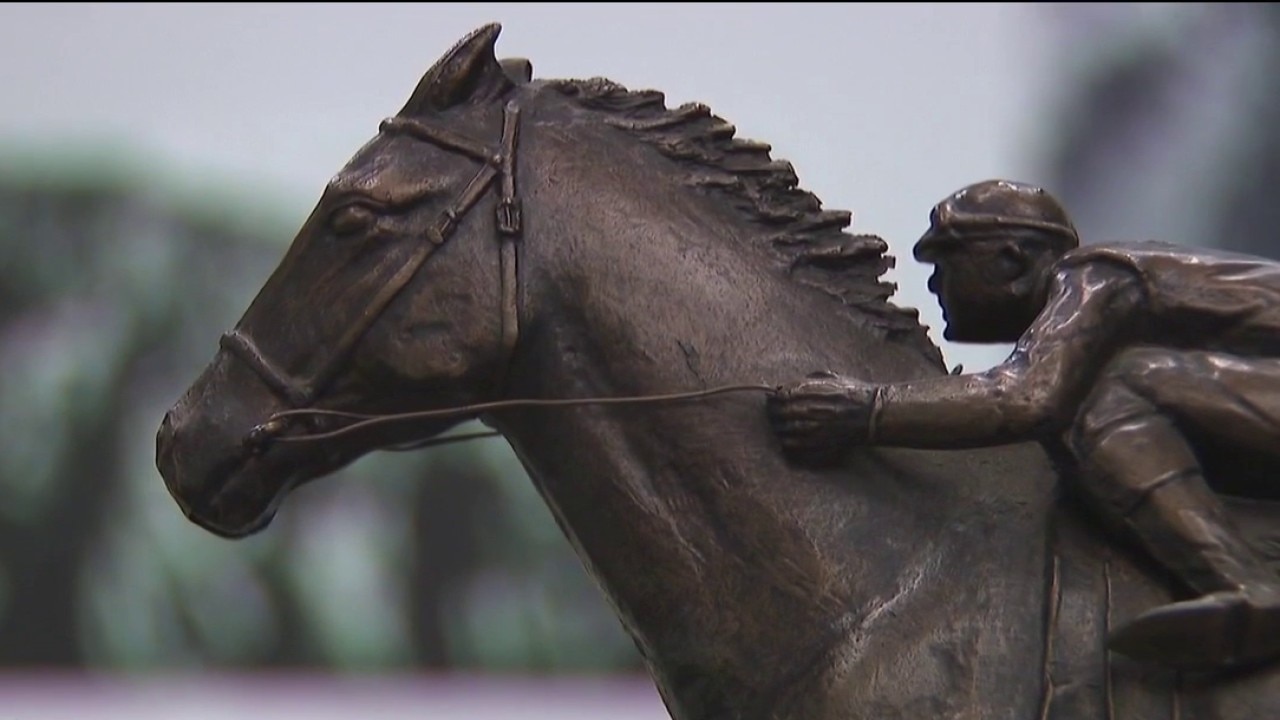
TAMPA, Fla. - African Americans once dominated horse racing, creating its foundation as star jockeys and trainers until their heritage and contributions were largely forgotten or erased. The Keeneland Library of Lexington, Kentucky, though, is making sure the country remembers.
The backstory:
The sights and sounds of horse racing go back more than 200 years.
READ: Ybor City cigar factory home set for major restoration after getting 'Historic Landmark' designation
"In all those decades leading up to the Civil War, when racing really was this country’s pastime, the bulk of the 24/7 care of the horses was riding horses, training horses, stable boys, groomers, that was shouldered on the back of enslaved boys and men, so there was no choice," said Roda Ferraro, the library director of Keeneland, an equine sports facility in Lexington, Kentucky.
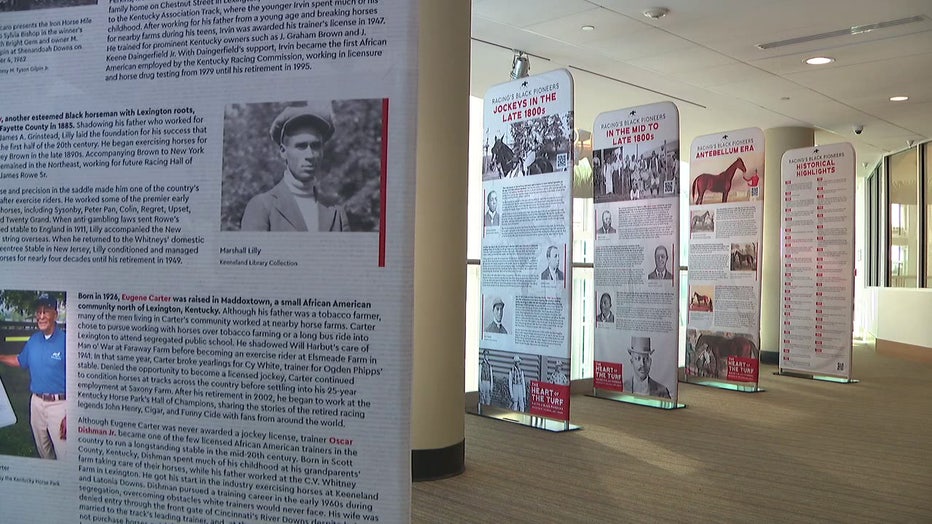
Enslaved African Americans created the heart of the turf, becoming racing’s Black pioneers. Their faces now line a hallway as a traveling exhibit called "The Heart of the Turf: Racing’s Black Pioneers," at the Tampa Bay History Center.
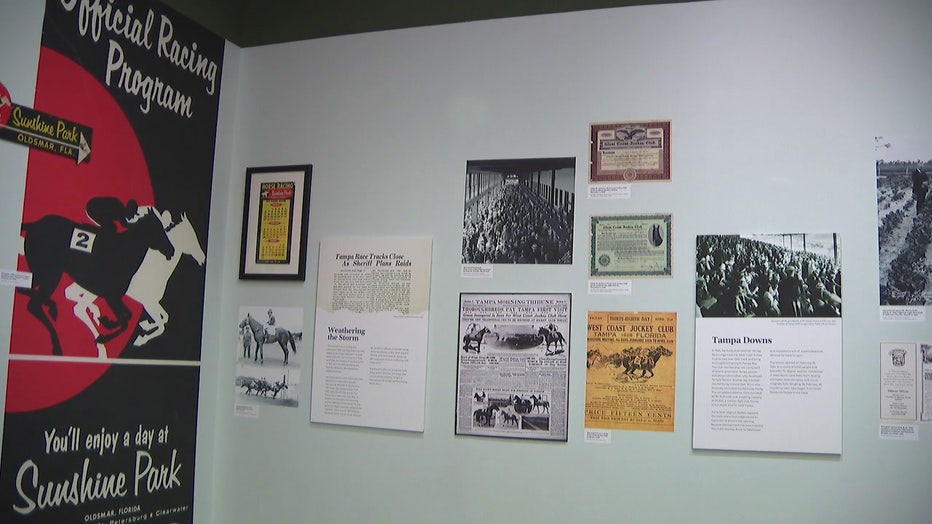
"You’re going to see stories of superstar jockeys past and present. You’re also going to see stories of grooms, exercise riders," said Ferraro.
MORE: New ‘Tampa Bay Timeline’ exhibit explores 14,000 years of regional history
Dig deeper:
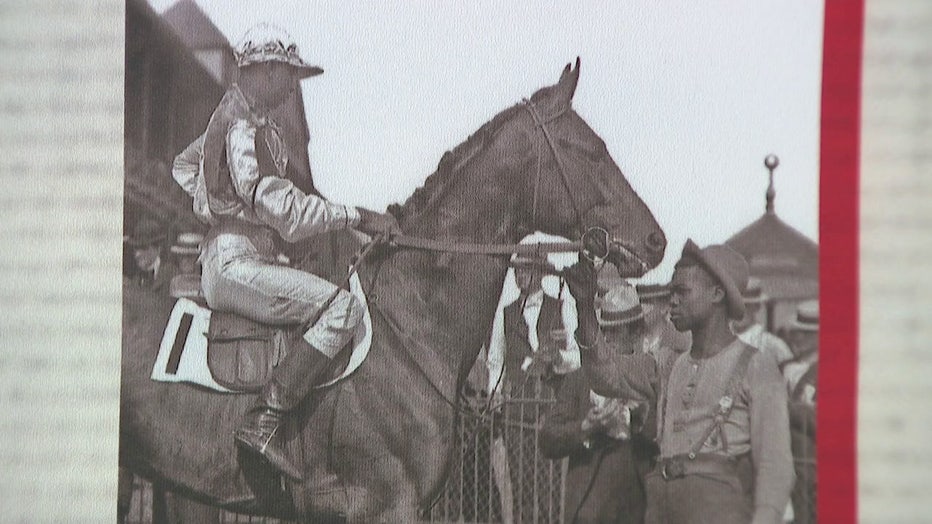
Visiting from the home state of the Kentucky Derby, she presented the exhibit on Wednesday, confirming that Black jockeys have won 16 of the first 28 Kentucky Derby’s since 1875.
"Chances are that if you were at a racetrack in New York, in Florida, in Kentucky, you were going to see a dominance of Black riders, and you were going to know there was a strong contingent of Black horsemen on the scenes," said Ferraro.
Black horsemen laid the foundation of racing, even after their decline due to segregation and Jim Crow laws.
"The biggest pushback was the African Americans competing at the highest level of the sport in terms of the visibility of those roles and the lucrative nature of those roles, so these would be jockeys, owners, breeders, horse trainers," said Ferraro.
What they're saying:
The unparalleled skill set never went away after the loss of Black jockeys in the sport following the 1910s. Some families passed down their knowledge to the next generation.
"Greg Harbut is the great-grandson of Will Harbut. Will Harbut was a stallion manager at Faraway Farm in Kentucky and is probably most known for his relationship with the horse Man O’War," said Ferraro.
Greg Harbut made history as an African American owner when he brought his horse to the 2020 Kentucky Derby in Louisville, facing pushback on the heels of racial reckonings that year.
"If you talk to Greg and Ray Daniels and others that brought Necker Island to the 2020 Derby, they will recount stories of getting a lot of pushback about running a horse in that race in that town as African Americans," said Ferraro. "Their response was, ‘Yeah, we’re going to run that horse and we may never get there again and this is a once in a lifetime opportunity to reach an international audience with our stories and the stories of people that came before us.’"
What we know:
Black horsemen stories included not being credited in programs decades ago. But today, Black horsemen have made their mark in Tampa Bay Downs, the Kentucky Derby and beyond.
MORE: Historic Limona Cemetery in Brandon commemorates 150th anniversary: ‘Those are our ancestors’
"It’s incredibly rewarding to take these stories out," said Ferraro.
The Keeneland library director said usually she likes to bring in the local families to share their lived experiences for this exhibit. But since it’s traveling, she’s sharing the stories across various states.
You can visit "The Heart of the Turf" exhibit at the Tampa Bay History Center until May, Ferraro said.
The Source: The information used in this story came from an interview with Roda Ferraro of Keeneland and the Tampa Bay History Center by FOX 13’s Briona Arradondo.