

Oil hits 22-month high as Gulf shipments stall; what it could mean for Port Tampa Bay, gas and cruise prices
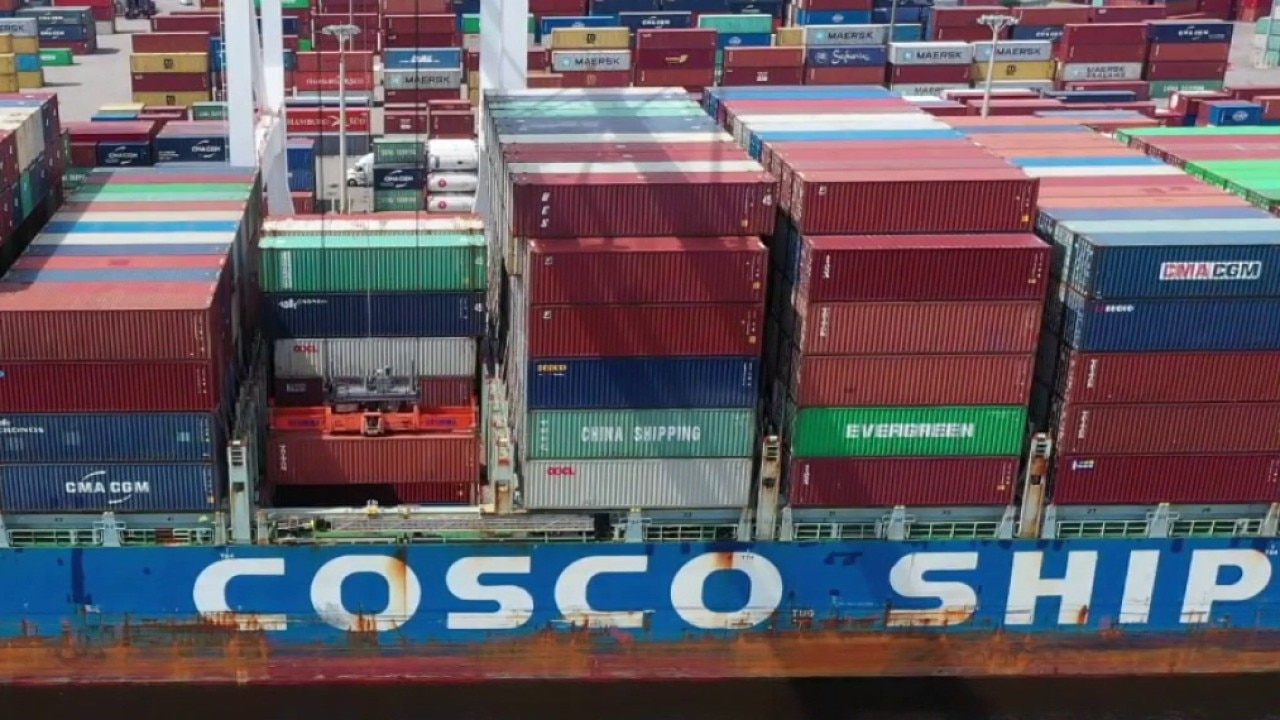
War impacts on oil prices and supply chains
Oil prices have spiked to their highest level in nearly two years as fighting in the Middle East disrupted energy shipments. FOX 13's Matthew McClellan breaks down how this might affect Port Tampa Bay.
TAMPA, Fla. - Oil prices spiked to their highest level in nearly two years on Friday as fighting in the Middle East disrupted energy shipments through one of the world’s most critical waterways.
What we know:
West Texas Intermediate crude rose 4% to $84.13 a barrel, while Brent Crude climbed to $87.17, according to MarketWatch. Both benchmarks have surged since the war began, marking the strongest weekly gains since Russia invaded Ukraine in 2022.
RELATED: Israel dismantles six Iranian ballistic missile launchers, CENTCOM says US forces control skies
At the center of the volatility is the Strait of Hormuz. The narrow passage between Iran and Oman handles roughly 20% of the world’s seaborne oil. Oil traffic there has come to a virtual standstill.
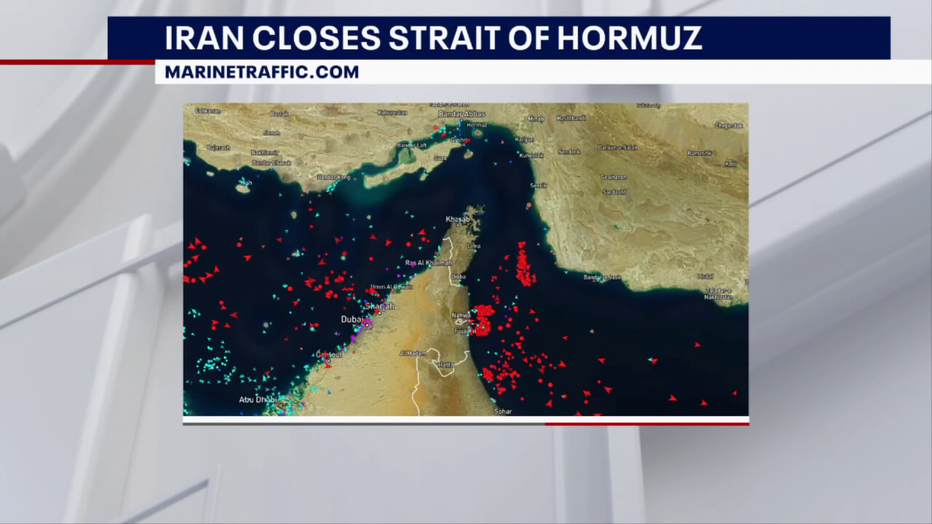
What they're saying:
Qatar’s Energy Minister Saad al-Kaabi warned in the Financial Times that if Persian Gulf countries are forced to halt energy shipments for weeks, oil prices could rise to $150 a barrel and damage global economies.
While there has been no diplomatic breakthrough, markets are reacting hour by hour to developments in the region.
The U.S. has granted Indian refiners a 30-day waiver to purchase Russian oil that had been stranded at sea. Treasury Secretary Scott Bessent described the move as a "stop-gap measure" to ease pressure in energy markets.
Local perspective:
In Florida, Port Tampa Bay plays a significant role in the regional economy.
The port moves 33 million tons of cargo each year, including energy products and consumer goods. It is also one of the nation’s major cruise homeports, with ships sailing regularly from Tampa to destinations across the Caribbean.
If oil prices continue climbing, fuel costs for cargo ships and cruise lines could increase. Higher fuel expenses often translate into higher shipping costs and, eventually, higher prices for consumers.
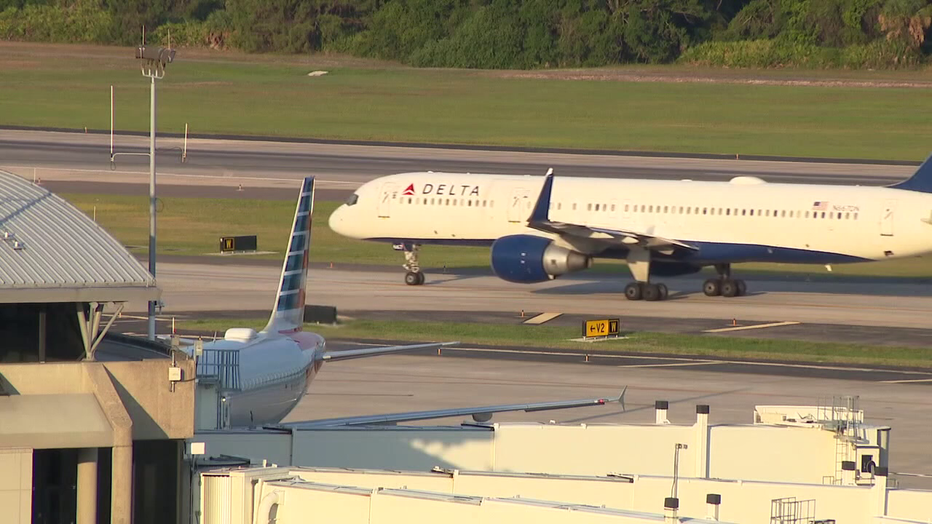
Airlines and cruise lines are particularly sensitive to fuel costs, which represent a large share of operating expenses.
READ MORE: United Airlines can now refuse to transport passengers who won’t wear headphones
Gas Prices
Consumers are already seeing changes at the pump.
The average price for a gallon of gasoline jumped about 20 cents nationwide this week, bringing the national average to roughly $3.20. This marks the highest level since September, according to AAA.
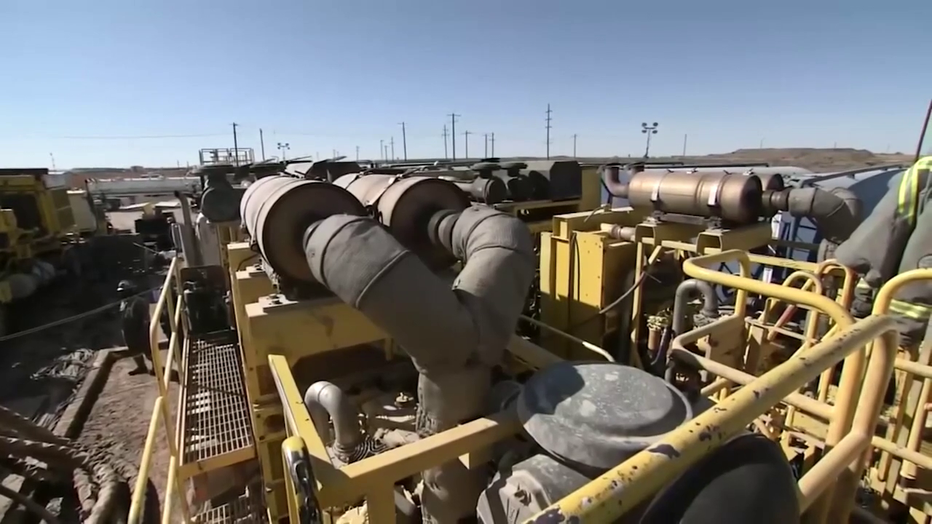
Analysts say short-term disruptions can sometimes be absorbed by global markets. But if shipping through the Strait of Hormuz remains restricted for weeks instead of days, the economic impact could widen.
What's next:
For now, oil remains well below the $150 level cited by Qatar’s energy minister. But prices are at a 22-month-high, and volatility remains elevated.
If energy shipments resume and tensions ease, markets could stabilize. If not, the ripple effects could move quickly. This includes everything from global oil markets to Port Tampa Bay, airline tickets, cruise fares and local gas pumps.
The Source: This story includes reporting from MarketWatch, The Financial Times and AAA gas price data.