

Tampa Bay area non-profits to pivot as USDA releases final food insecurity report

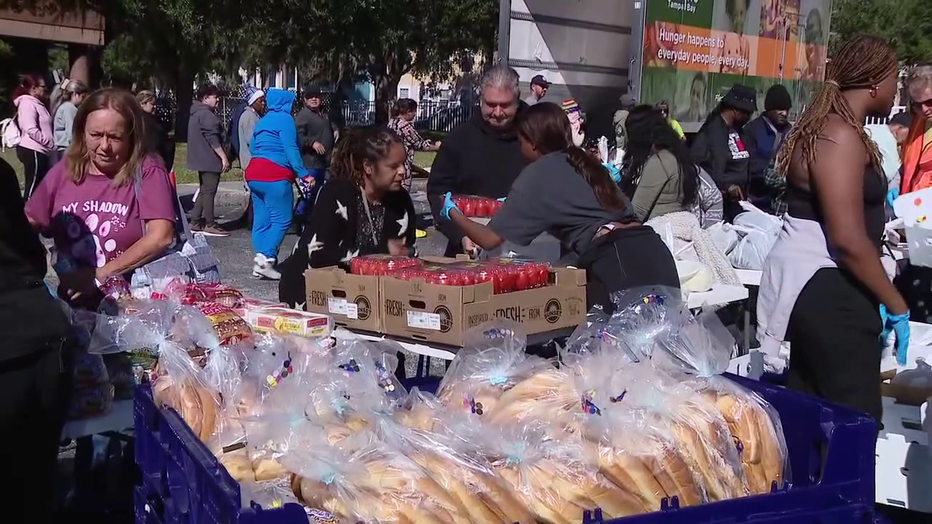
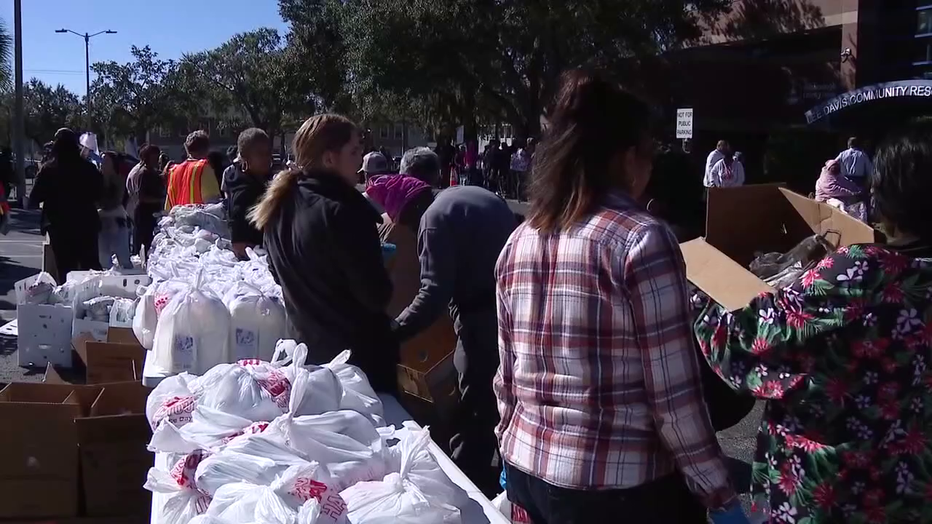
TAMPA, Fla - United Way Suncoast said about one in eight households in the Tampa Bay region don’t have enough food to put on the table, yet how hunger is measured in the U.S. is changing.
The backstory:
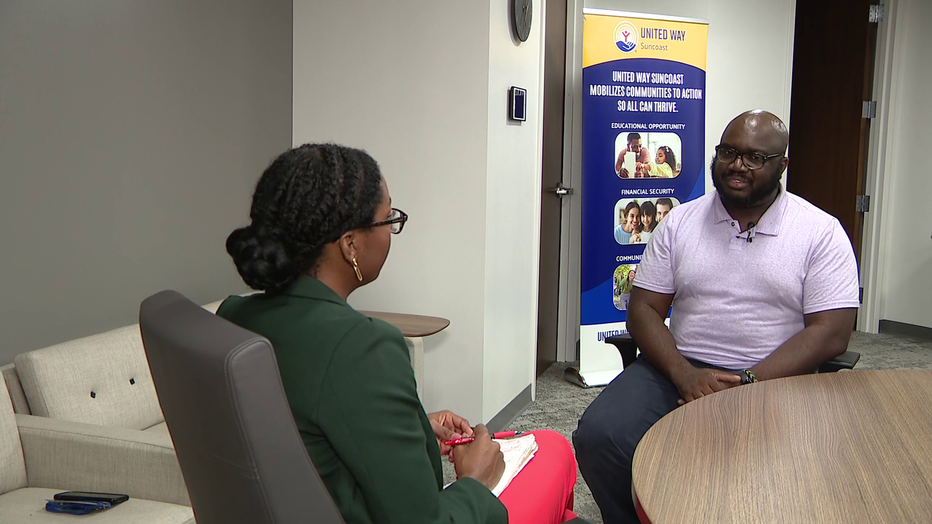
As a data analyst with United Way Suncoast in Tampa, Aaron Neal crunches a lot of numbers for five counties.
READ: Credit scores are down in all 50 states: Here's where they dropped the most
"I think within the state of Florida, around 30 and 40% of households are food insecure in terms of doing SNAP benefits," said Neal, the director of data analysis at United Way Suncoast.
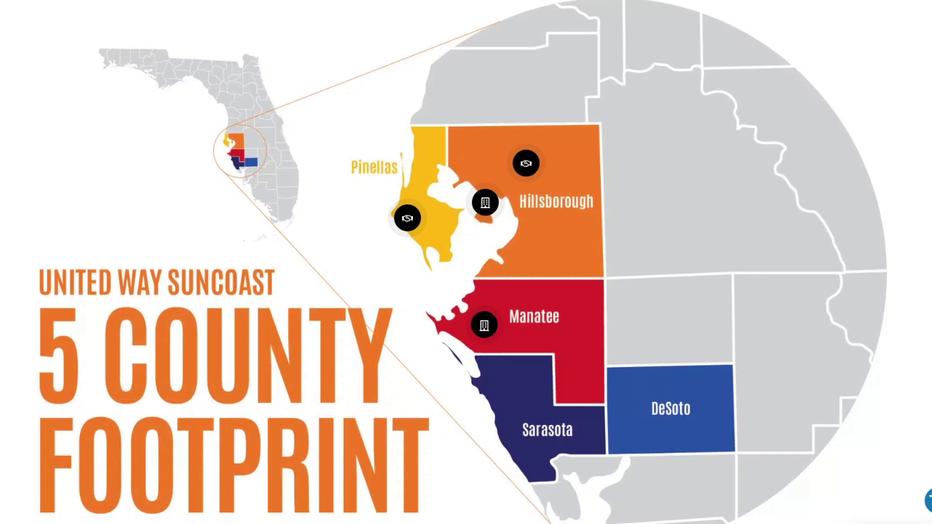
When he found out the USDA recently released its final annual report on food security, it will change how he serves Hillsborough, Pinellas, Manatee, Sarasota and DeSoto counties.
"This is something that, yes, we can moan and groan about how the numbers aren’t really present. But we’re going to have real big effects once we can’t talk about lived experiences of what people are living within our region," said Neal.
MORE: Here are the top cities to find a job in 2026, data says
The Trump administration canceled the USDA’s surveys on food security last fall, calling it "redundant, costly, and politicized."
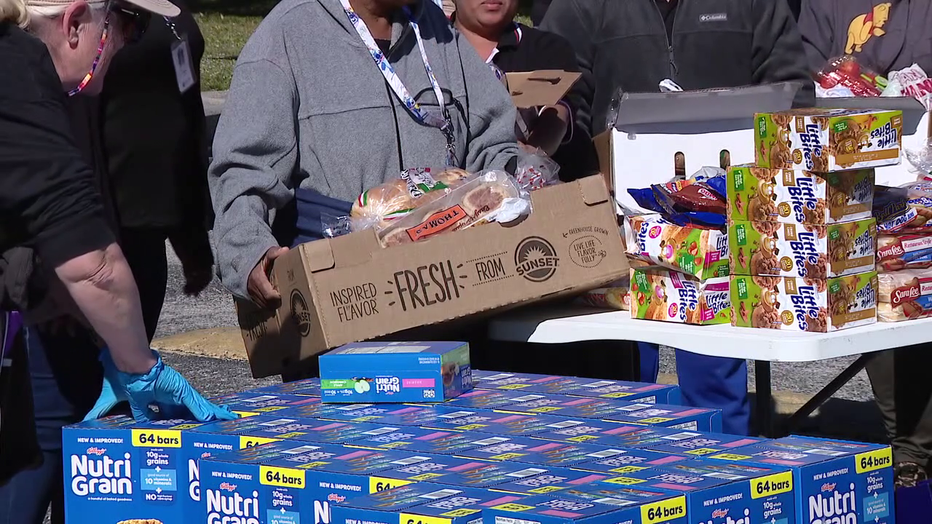
Non-profits like United Way use those numbers to inform them how to address the need.
"The USDA not being present it really makes this weird standard here of I guess we successfully solved food insecurity. There were two ways of doing it and one is everybody gets fed and the second is everybody’s get erased," said Neal.
Dig deeper:
United Way tracks those who are working, but don’t make enough to afford their basic needs. They fall into the ALICE category — asset limited, income constrained and employed.
READ: These states are increasing the minimum wage in 2026
And, that connects back to the USDA data.
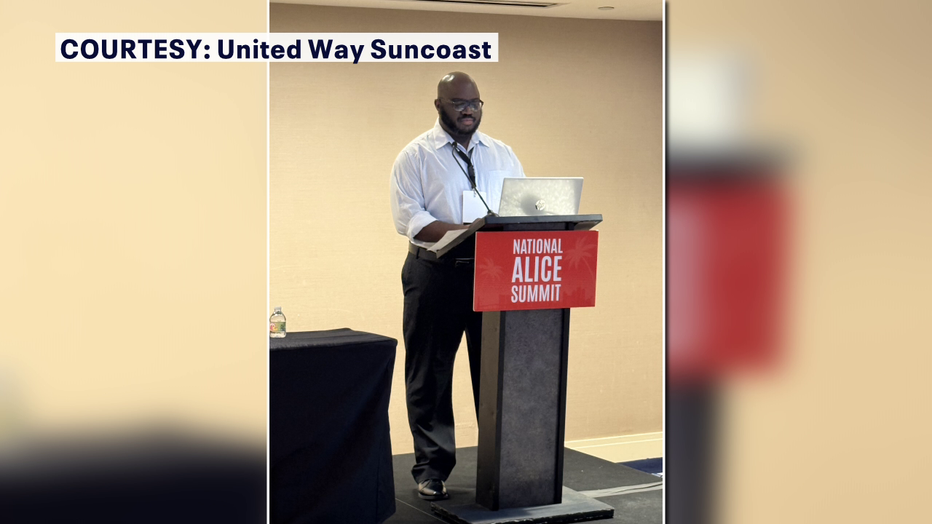
"Even now within the ALICE threshold, the food budget line item is an interpretation of data done by Feeding America, who gets their data from USDA. So, there’s a chain effect. There’s a ripple area on that," said Neal.
Neal wonders how they are going to compensate for that. He said one in eight SNAP recipients are in the Tampa Bay region.
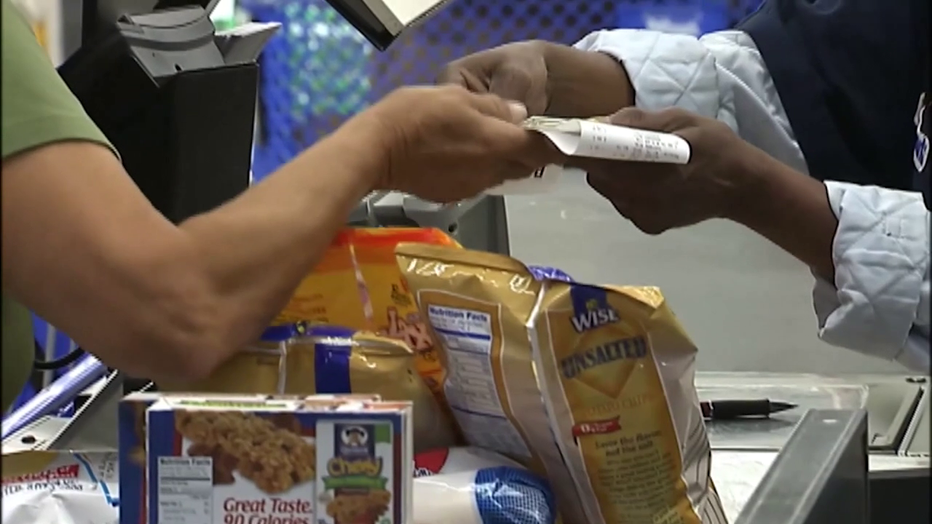
"I mean it’s not even just the nonprofit issue alone. On a for-profit level, we have folks who maybe they want to figure out where they can open businesses," said Neal. "Maybe they want to figure out the zones where they can create bigger impact, or other nonprofits want to describe the areas that they live in order to make more grant applications."
What's next:
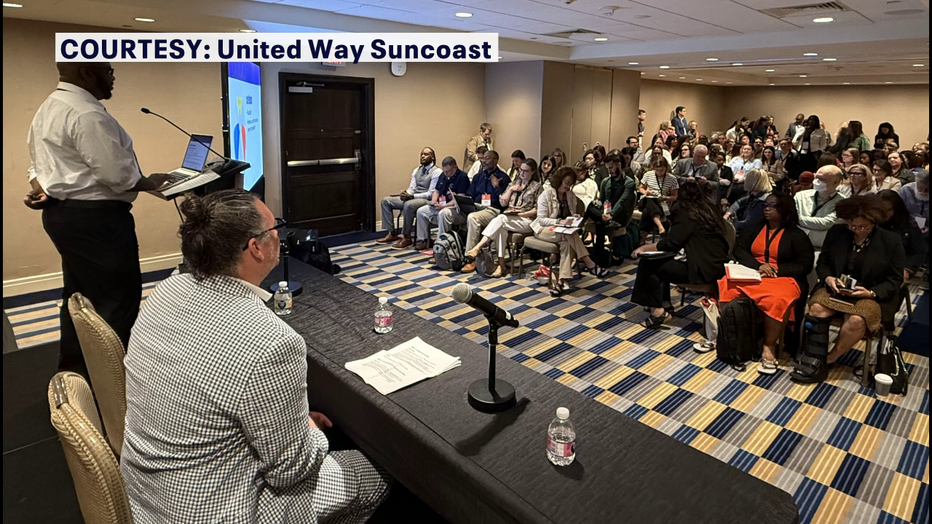
Aside from census data from the USDA, United Way also relies on community partners for information. Now, analysts like Neal must figure out a way forward without a comprehensive overview.
MORE: U.S. national debt tops $38 trillion as lawmakers face growing fiscal challenge
"I have a data team of two to three people, so does that mean it’s up to us to create the types of surveys and information to talk about our local region on top of the work we’re already doing," said Neal.
United Way said that census data from the USDA also helps for-profit organizations know how many households are in distress, so they know where to direct resources. For nonprofits, they will have to figure out what to do to fill in any gaps.
The Source: The information used in this story was gathered by FOX 13’s Briona Arradondo through an interview with United Way Suncoast.