

USF researchers harness sunlight in promising breakthrough to fight red tide
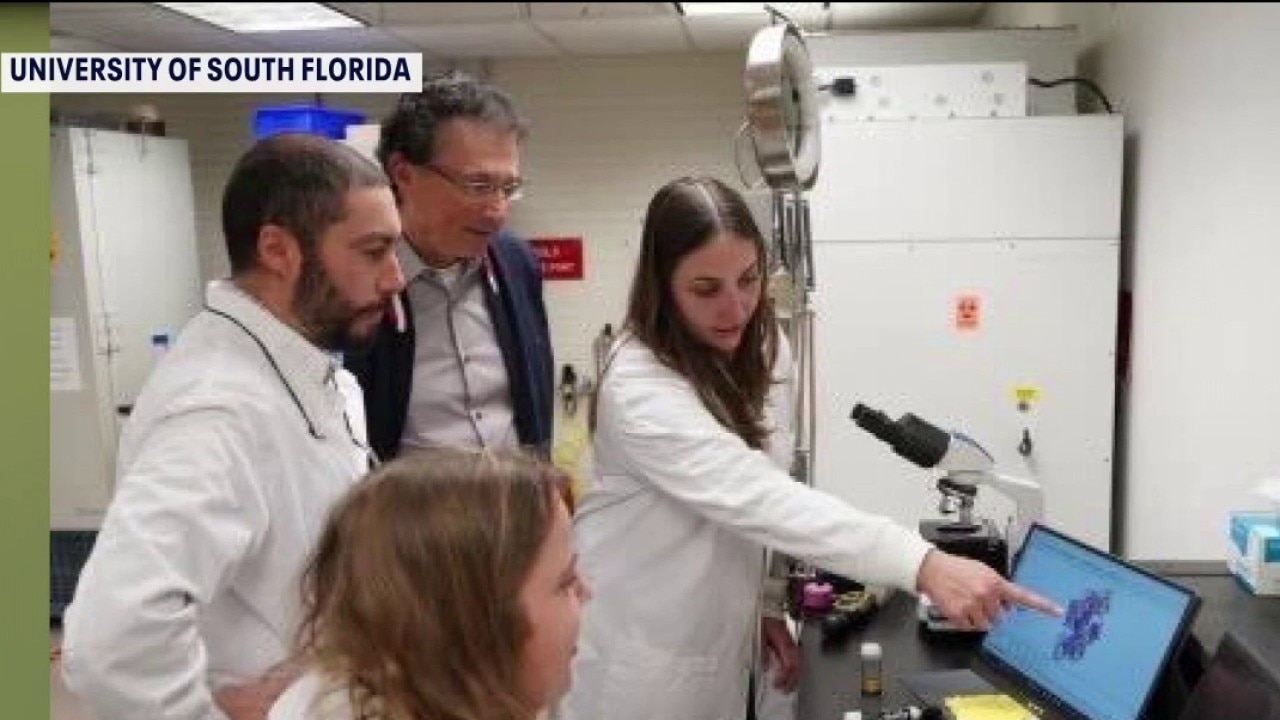
Red tide research
Red tide can cause devastating blows to marine life, breathing difficulties for people, but researchers at USF may have found some help from the sunlight. FOX 13’s Jennifer Kveglis reports.
TAMPA, Fla. - A team of University of South Florida researchers believes an everyday element, sunlight, could play a key role in reducing harmful red tide blooms impacting the Bay Area.
The backstory:
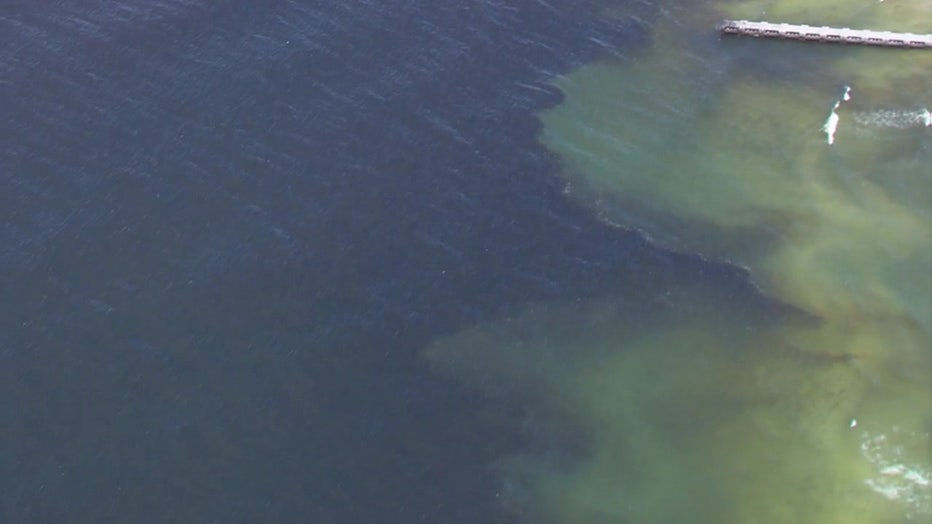
Red tide, known scientifically as Karenia brevis, has long plagued Gulf Coast communities, causing respiratory irritation for people and devastating marine ecosystems.
Researchers at the University of South Florida say warming surface waters in the Gulf of Mexico are partly fueling these blooms. According to NOAA, the average temperature of Gulf waters has risen by about two degrees Fahrenheit between 1970 and 2020. Scientists say that this warming, along with increased nitrogen and phosphorus contamination from land, can worsen outbreaks.
Now, a decade of algae research inside USF’s Biofuels and Bioproducts Lab is bringing scientists closer to a possible solution.
READ: Leo Govoni fraud: 2 years after $100M trust collapse, families of disabled victims still suffer
The team created a microscopic crystalline material made primarily of bismuth and iodine, elements commonly used in medical applications and considered safe for humans and marine life. When activated by sunlight, the material becomes antibacterial and targets the harmful algae.
Researchers say the substance does not dissolve in water, allowing it to be reused multiple times — potentially lowering treatment costs.
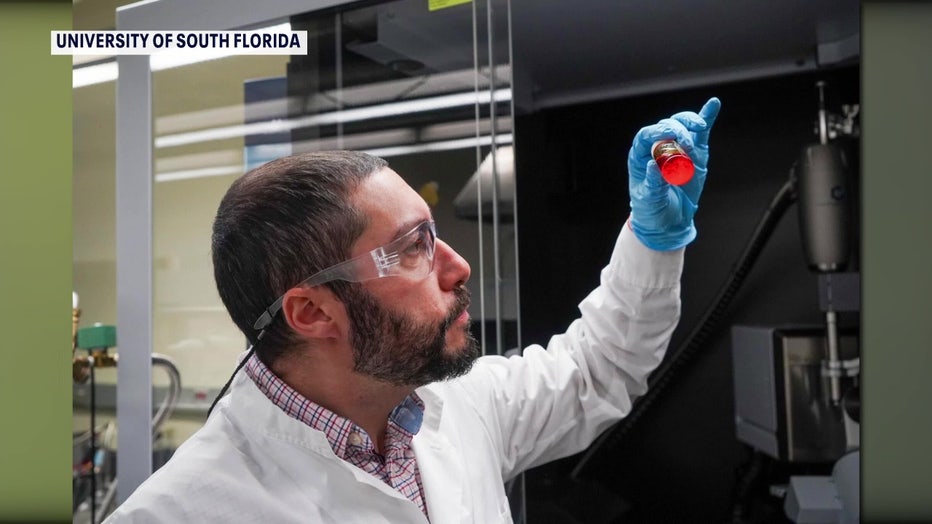
Lab results show that once placed in contaminated water, the material reduced Karenia brevis levels by roughly 90% within 24 hours.
Why you should care:
Major red tide blooms in 2018 and 2021 left lasting memories across the Bay Area, from fish kills to foul odors and breathing problems.
Scientists say finding an effective, environmentally safe mitigation tool could help protect coastal economies, marine habitats, and public health.
What's next:
The research team plans to test the material outside the lab to see how it performs in real-world conditions.
Long term, scientists hope to shape the substance into fibers that could be woven into nets, allowing crews to deploy, recover, and reuse the technology repeatedly in affected waters.
The ultimate goal: commercialization that could help communities better respond to future blooms.
The Source: Information in this article comes from interviews with University of South Florida researchers, including Assistant Professor of Chemistry Dr. Ioannis Spanopoulos and Patel College of Global Sustainability Acting Dean Dr. George Philippidis, as well as data from the National Oceanic and Atmospheric Administration.