

AAA breaks down how to protect our cars and homes in this cold snap

Cold weather hazards: Tire pressure and batteries
The artic blast is affecting cars across Florida. FOX 13's Heather Healy shares some tips.
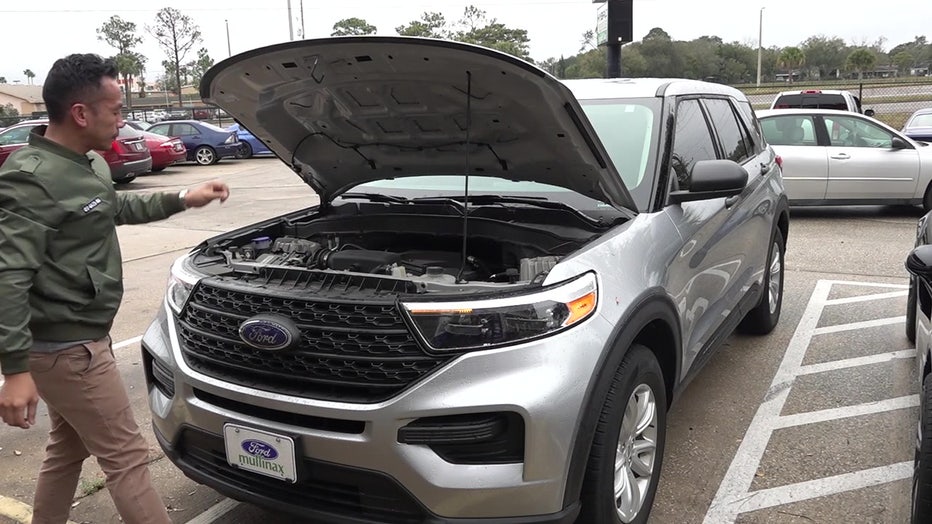
TAMPA - When it comes to cold temperatures like we’re experiencing, there are lots of things to think about to keep things protected, especially our car.
AAA says even brief periods of freezing weather can strain car batteries very quickly. During cold snaps like this in the past, they’ve seen a rise in roadside assistance calls for dead batteries. The reason: cold weather reduces a battery’s ability to hold a charge and temperatures that drop in the 20s or 30s are enough to push an older or weaker battery to snap.
What they're saying:
Mark Jenkins, with AAA, says this is very common during cold snaps like this one.
"We expect to see a jump in calls from people with dead batteries because when temps drop to the 20s and 30s, weak car batteries can fail fast. So if this happens to you, just call AAA. We can come out. We'll test the battery and offer a replacement if you need one," Jenkins said.
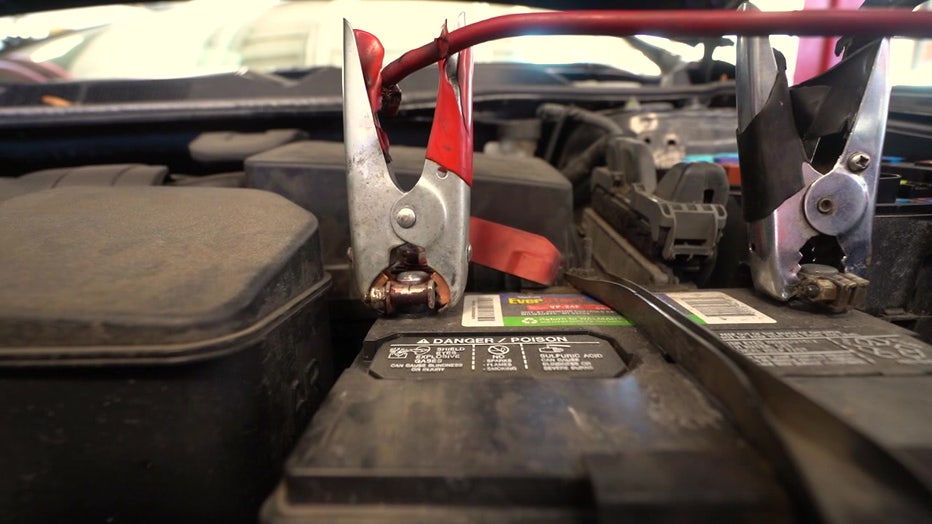
How to Prevent a Dead Battery
- Have your battery tested if it’s more than three years old.
- Listen for slow cranking, a key warning sign of a failing battery.
- Replace the battery if it shows signs of weakness or struggles in cold weather.
By the numbers:
Tires lose one to two pounds per square inch for every 10 degrees dropped in temperature? A 20-degree drop can cause a four pound per square inch reduction, and that can trigger your tire sensors and the tire pressure light to come on.
Your tires should be checked monthly in the winter, even here in Florida, as under-inflated tires increase fuel usage and create more wear and tear. Jenkins echoes the same sentiment, saying it’s always better to be safe than sorry.
"When these temperatures drop, your tire pressure also falls very quickly, and that's a big safety risk because when you have underinflated tires that can affect your traction, and it makes blowouts more likely. So we always encourage people, check their tire pressure in the morning with a tire gauge, and if your tire pressure is low, go ahead and top it off to the recommended level," Jenkins said.
How to Maintain Proper Tire Pressure
- Check tire pressure first thing in the morning when tires are cold.
- Inflate tires to the manufacturer’s recommended PSI (listed on the driver’s door jamb).
- Don’t rely solely on tire pressure monitoring systems; they may not alert you until pressure is already too low.
Periods of freezing temperatures can cause water inside our pipes to freeze and expand, creating pressure that may rupture plumbing behind walls, under the sinks, or in attics and crawl spaces. Multiple nights of these conditions increase the risk significantly. Both hot and cold water pipes are at risk of freezing if not in use, as they will eventually reach ambient cold temperatures. Jenkins says do everything you can do prevent this.
"With these freezing temps, your pipes can freeze fast and that can lead to a costly pipe burst. So the best way to avoid that, let your faucets drip and keep the heat on. Then open the cabinets under your sinks so that warm air can reach the pipes," Jenkins said.
READ: Plant City farmers sacrificing this week’s harvest to save strawberry season — here’s why
How to Prevent Frozen or Burst Pipes
- Let faucets drip slightly to keep water moving.
- Open cabinet doors under sinks to allow warm air to circulate.
- Keep the thermostat set to at least 55°F, even when away from home.
- Know where your main water shutoff valve is located in case a pipe bursts.
Jenkins also says that pool equipment is vulnerable to this kind of cold as your pumps are exposed, and the pool plumbing can freeze and crack.
Click here for more information.
The Source: Information for this story was gathered by FOX 13's Heather Healy.