

Defense Secretary Pete Hegseth joins CENTCOM commander for update as Iran war rages forward
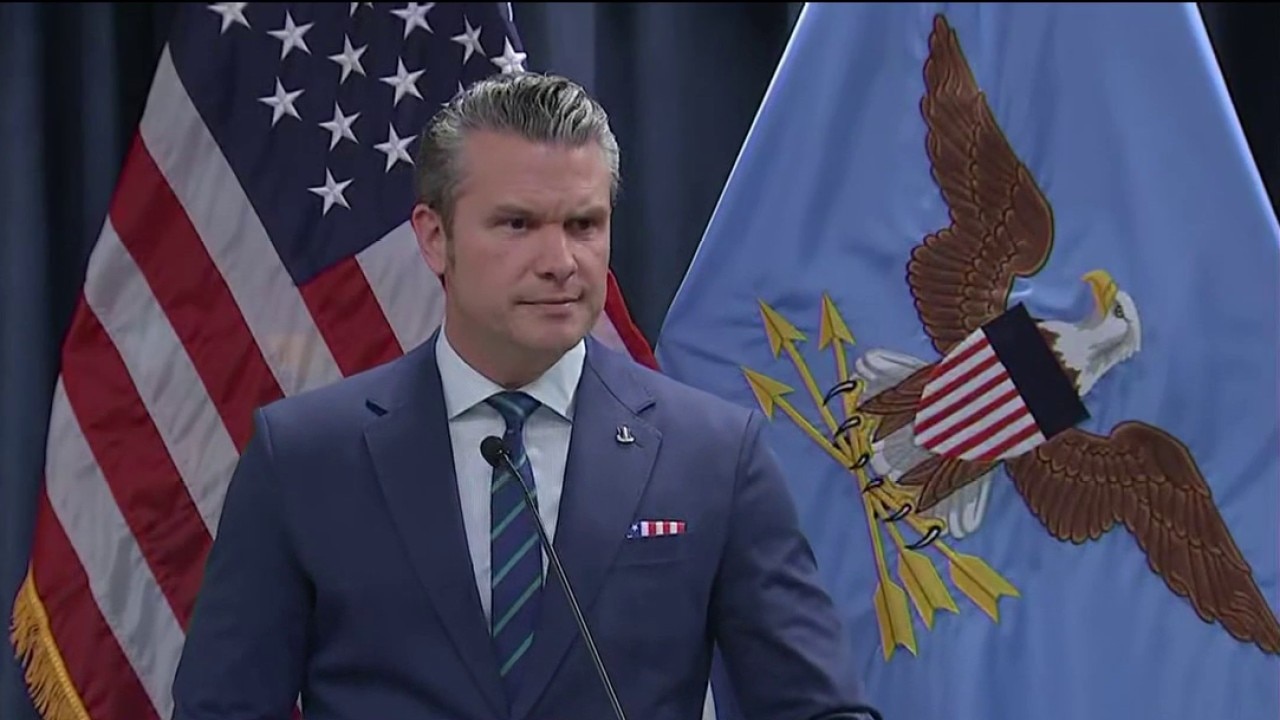
TAMPA, Fla. - Defense Secretary Pete Hegseth gave an update on the U.S. and Israel's war with Iran from MacDill Air Force Base in Tampa on Thursday. This comes as he tries to generate public support for the venture that has seen the toppling of Iran's Supreme Leader, Ayatollah Khomeini.
What we know:
Defense Secretary Pete Hegseth visited U.S. Central Command headquarters at MacDill Air Force Base on Thursday, according to the Defense Department. He met with CENTCOM Commander, Admiral Brad Cooper, for updates on Operation Epic Fury.
MacDill is home to U.S. Central Command, the military command overseeing operations in the Middle East. That means decisions shaping the conflict overseas are being directed, in part, from Tampa.
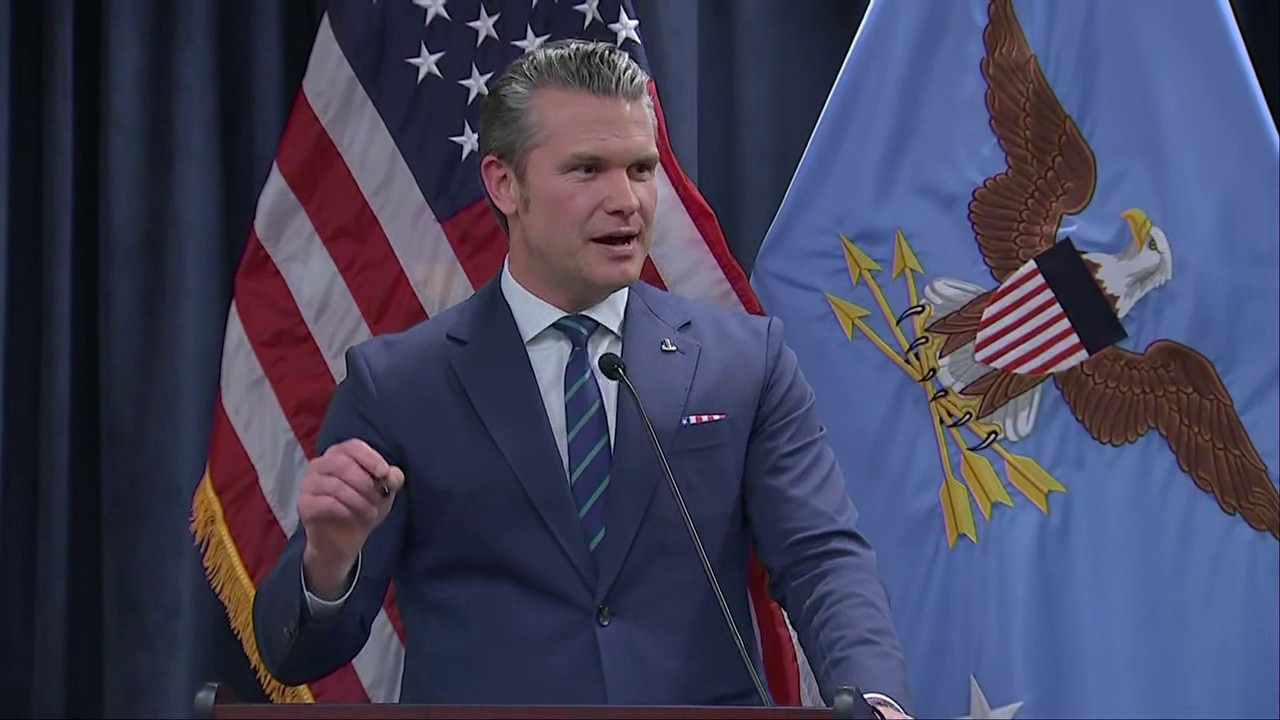
Full news conference: Defense Secretary Pete Hegseth joins CENTCOM for update on Iran war
Defense Secretary Pete Hegseth gave an update with CENTCOM Commander, Admiral Brad Cooper as the U.S. and Israel's war with Iran continues. They held the news conference at MacDill Air Force Base, U.S. Central Command's headquarters.
Hegseth said during the news conference Thursday afternoon forces are being executed with "unmatched skills," and thanked the admiral for CENTCOM's work during the operation.
RELATED STORY: Winter Haven Army Reserve soldier remembered across Polk County after deadly Iranian strike on Kuwait
Cooper said in just the last 72 hours, 200 targets were struck deep inside of Iran. On Thursday afternoon, US B2 bombers dropped dozens of 2,000-pound penetrator bombs, which hit missile launchers and that they hit Iran's equivalent of Space Command.
"If you think you have seen something — just wait," Hegseth said in Tampa on Thursday. "The amount of combat power we have seen that is still flowing, that is still coming, that will be able to project over Iran is a multiples of what it currently is right now. If you add up our capabilities and those of the Israeli work forces, and we have no shortage of authorities, the admiral knows we have clear objectives with maximal authorities on the battlefield."
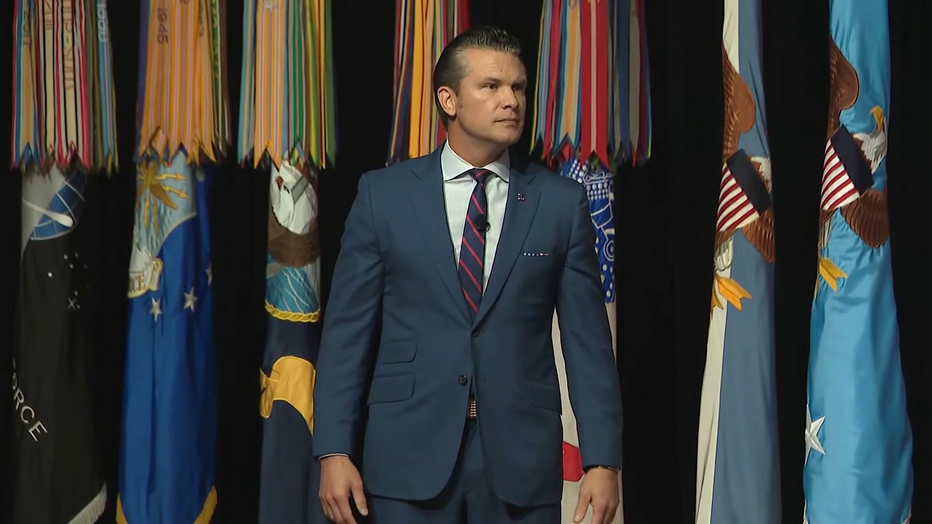
Hegseth also took a moment to remember the six Americans killed, who will soon be welcomed home at Dover Air Force Base. That includes Captain Cody Khork of Winter Haven, who was among those killed in an Iranian drone strike that hit a command center in Kuwait.
The backstory:
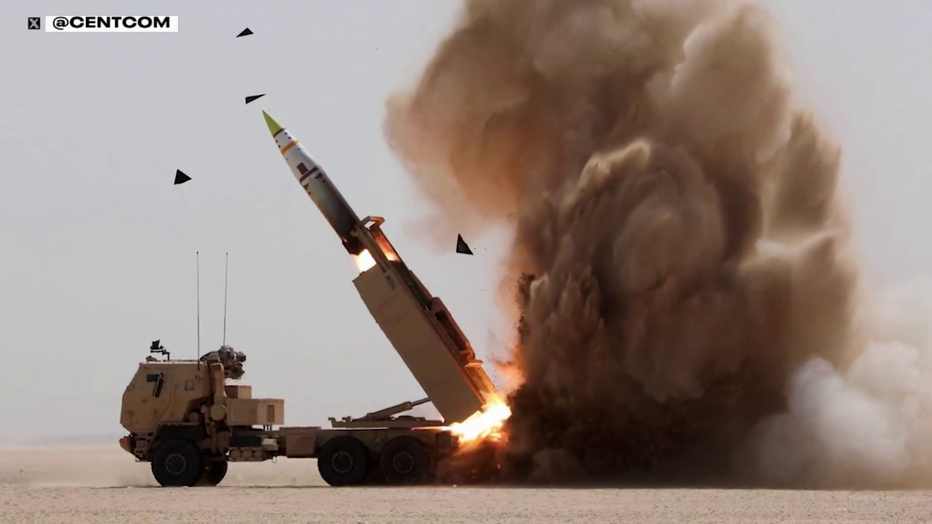
The Defense Department says U.S. and partner forces launched Operation Epic Fury on Feb. 28 to dismantle what it describes as the Iranian regime’s security apparatus, focusing on sites that posed an imminent threat.
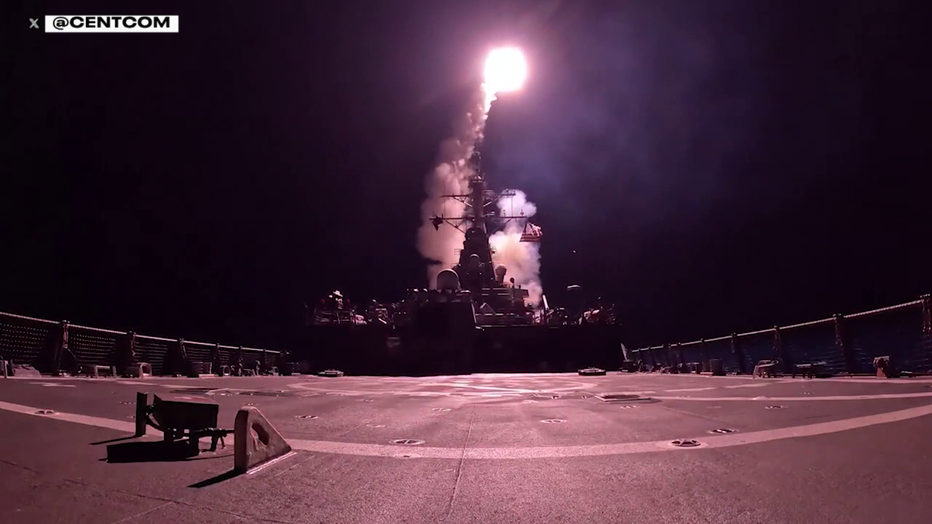
In the first four days, more than 2,000 strikes were carried out using over 2,000 precision munitions launched from air, land and sea, according to the Defense Department.
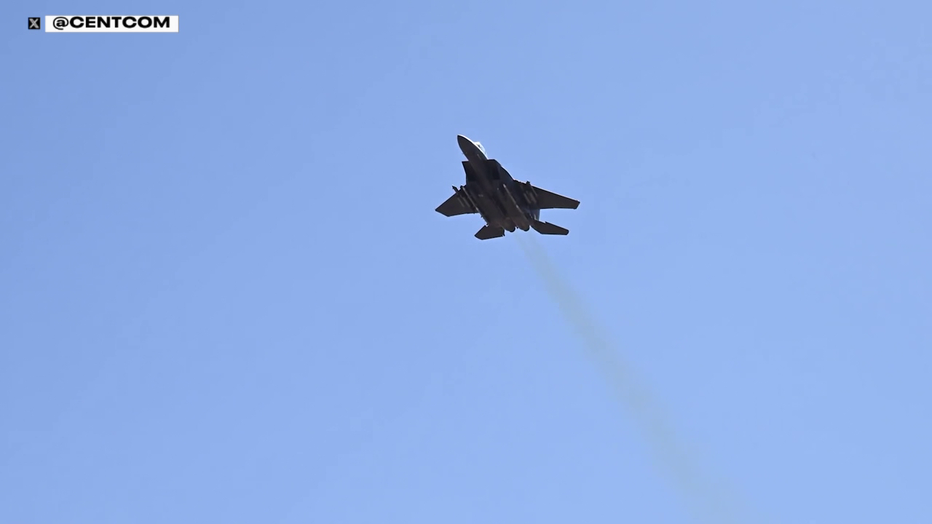
The strikes have targeted Iran’s ballistic missile capabilities and naval forces. On Wednesday, the Trump administration revealed that a U.S. submarine fired a torpedo that sank an Iranian warship in the Indian Ocean.
Iran has responded with missile and drone attacks aimed at U.S. and allied forces.
What they're saying:
Speaking at the Pentagon on Wednesday, Hegseth said the United States has asserted air dominance over Iran’s airspace.
However, he cautioned that "this does not mean we can stop everything," acknowledging that some Iranian missiles or drones may still reach their targets.
RELATED STORY: Tampa-based non-profit rescues more than 100 Americans from Israel, including St. Pete church group
Hegseth said the United States spared "no expense or capability" to enhance air defense systems to protect American forces and allies before launching offensive strikes.
General Dan Caine, chairman of the Joint Chiefs of Staff, said U.S. service members "remain in harm’s way" and that the risk level remains high.
President Donald Trump and senior defense leaders have warned that additional American casualties are possible and that the conflict could last months.
Big picture view:
The Defense Department says the goal of Operation Epic Fury is to dismantle Iran’s security apparatus and neutralize imminent threats. Still, questions remain about the broader objective.
Questions about the broader objective include:
- Is the goal limited to degrading missile and naval capabilities?
- Is it aimed at long-term deterrence?
- Or could it expand into a wider regional conflict?
Military leaders have not outlined a clear end state publicly. Analysts say sustained strikes and Iran’s continued retaliation raise concerns about escalation and whether the mission could evolve beyond its initial scope.
Local perspective:
For Tampa, those questions hit close to home. U.S. Central Command, headquartered at MacDill, is directing operations across the region, putting the local base at the center of a conflict that could reshape Middle East security dynamics.
The Source: Information in this story comes from the Defense Department announcement about the secretary’s visit to U.S. Central Command at MacDill Air Force Base, as well as reporting from The Associated Press on remarks made by Defense Secretary Pete Hegseth and Gen. Dan Caine at the Pentagon.