

‘Dry January’ grows in popularity as alcohol consumption sees general decline

TAMPA, Fla - Known as Dry January, some are saying "no" to alcohol for the entire month. Some are even making the decision to abstain from alcohol for 31 days for health reasons.
By the numbers:
Overall, alcohol consumption has generally been on the decline in the U.S., according to a Gallup study. That study found 54% of American adults surveyed said they drank alcohol in 2025, marking the lowest on record.
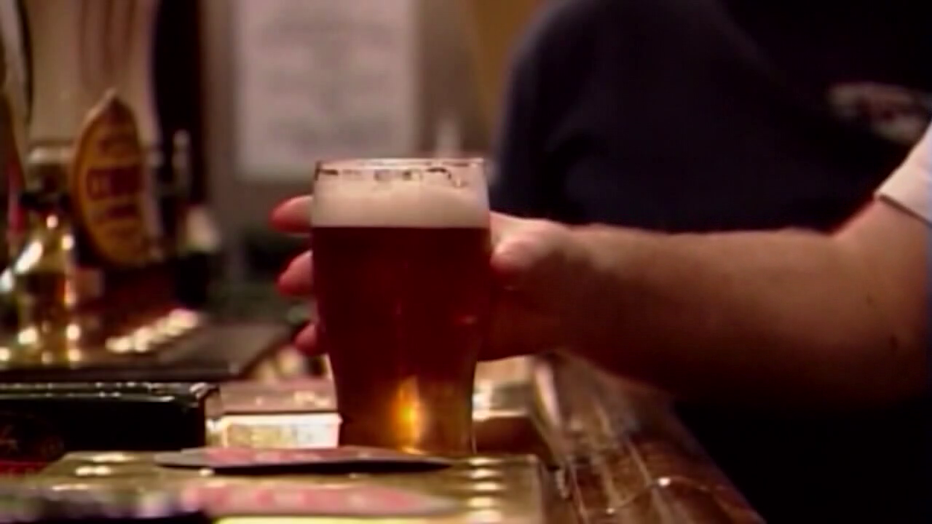
NielsenIQ (NIQ) found Dry January does boost non-alcoholic sales rates. But the research company also found 92% of people who buy non-alcoholic (NA) drinks also buy beer, wine and spirits with alcohol, perhaps "showcasing evolving preferences," according to the report.
"I think the trend right now is called zebra striping," Abbey Conrad, creator of NA Tampa Bay, told FOX 13. "So you have one alcoholic beer and then one non-alcoholic beer."
READ: Tarpon Springs Epiphany Day cross retriever carries on family tradition: ‘I couldn’t believe it!’
What they're saying:
Conrad runs her social media account, NA Tampa Bay, where she highlights local restaurants featuring non-alcoholic drink options.
"Even with Dry January coming around this year, people — even throughout the year — are looking for different options out there," Conrad said.
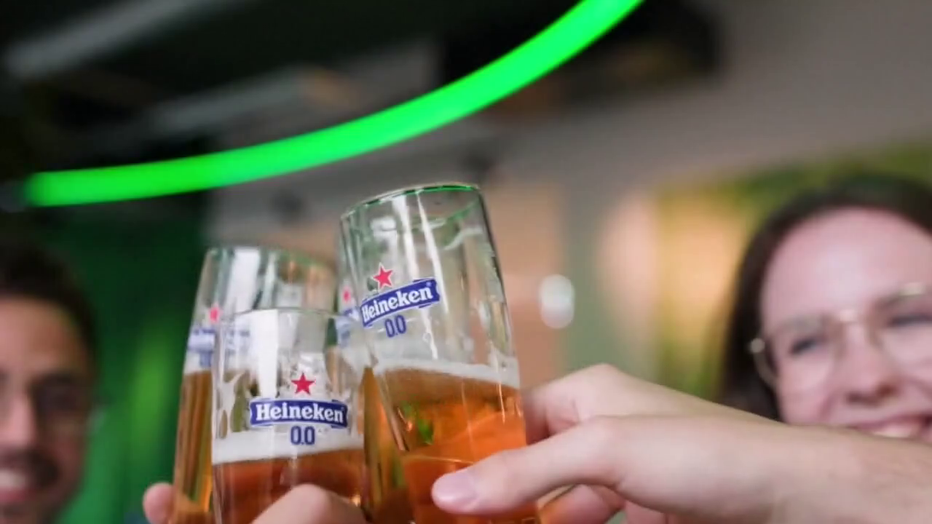
"There are so many options out there now that are non-alcoholic," she added. "There's non-alcoholic wine and beer and spirits. So you can still make your favorite cocktail that you used to drink at home or at a bar, but just with the zero alcohol. And you still feel really great in the morning."
Dig deeper:
For some, Dry January may represent a choice to be healthier. In fact, alcohol use is one of the most important preventable risk factors for cancer, according to Moffitt Cancer Center.
READ: Flu surge strikes Bay Area as patients pack emergency rooms and urgent care centers
"The link between alcohol consumption and cancer can’t be overlooked," Sylvia Crowder, a nutrition researcher in Moffitt Cancer Center’s Department of Health Outcomes and Behavior, said in an online statement. "Alcohol use is the third leading modifiable factor that increases cancer risk after cigarette smoking and excess body weight. The less alcohol you drink, the lower your risk for cancer."
Not only that, doctors say alcohol can negatively affect your sleep and your heart, too.
"When we consume alcohol, it leads to vitamin and mineral deficiencies, and ultimately cardiomyopathy," cardiologist Dr. Jack Wolfson told FOX 13.
The Source: Information in this article was gathered from FOX 13 interviews, Moffitt Cancer Center blog post, Gallup study (August 2025), NielsenIQ (NIQ) report (August 2025).