

Duke Energy hardens Florida power grid by putting hundreds of miles of lines underground
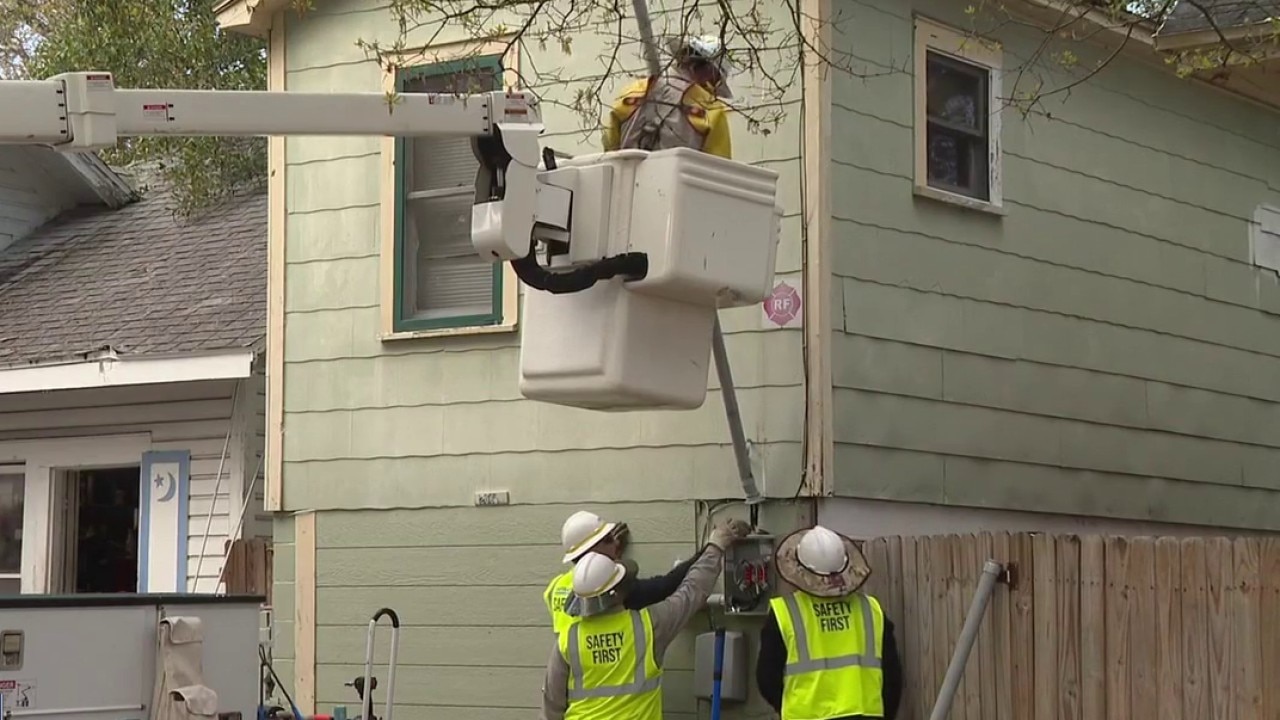
ST. PETERSBURG, Fla. - While it may not be hurricane season right now, utility crews in Pinellas County are spending the winter months buried in work, literally.
Duke Energy is currently moving overhead power lines underground and hardening its infrastructure to better withstand Florida's weather.
In Clearwater on Thursday, crews worked on one of the 300 undergrounding projects in Pinellas. They started about a month ago and hope to be done by mid-March.
What they're saying:
"This is a big priority for us," Aly Raschid, a spokesperson for Duke Energy Florida, said. "We know that it helps reduce customer outages. That is what we're constantly working to do year-round: harden our grid and make it more resilient for afternoon thunderstorms or hurricane season."
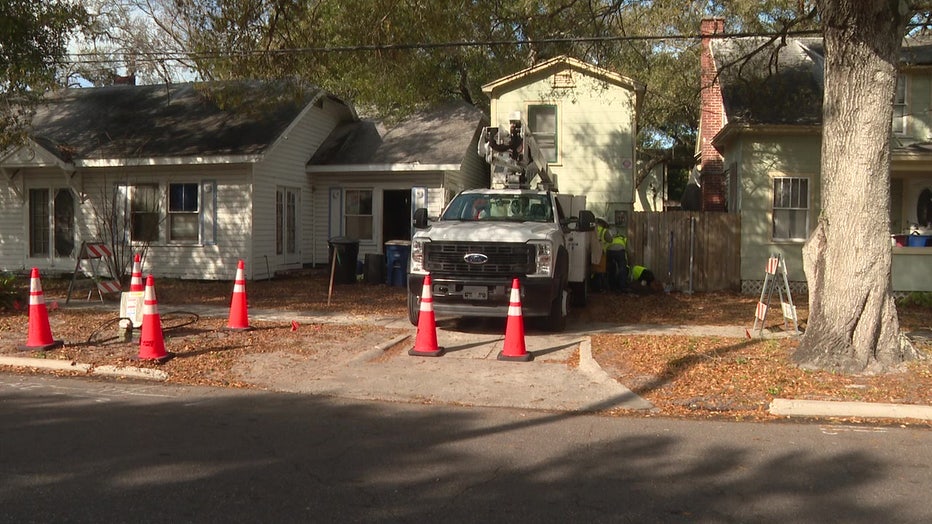
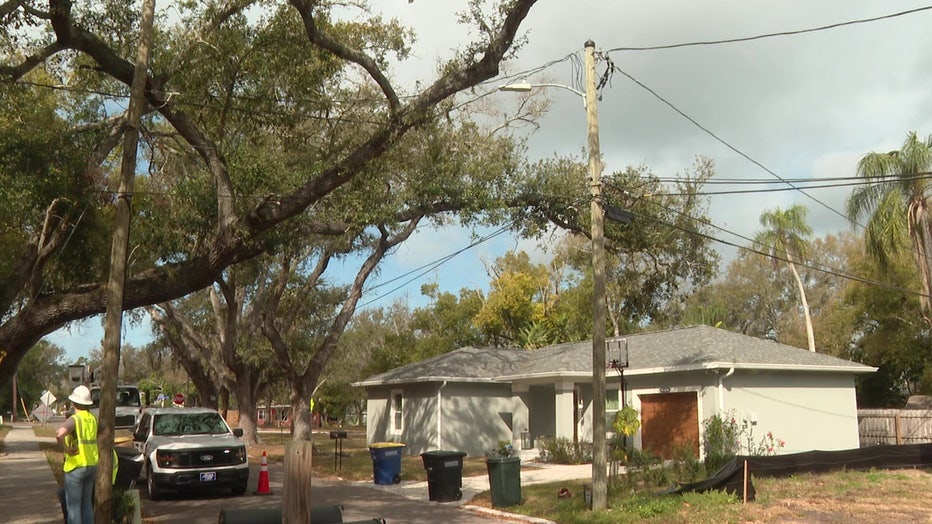
The wind isn’t the powerlines’ only enemy. The vegetation is another. Victoria Hutchins, a senior engineer on the South Coastal Asset Design team for Duke Energy, noted that vegetation can fall on lines and cause issues.
READ: Impact on bills after Duke Energy asks customers across Florida to conserve power during cold snap
"By putting it underground, we're able to keep power through those storms and restore power quickly if, in any case, anything does happen," Hutchins said.
Dig deeper:
The process of choosing which lines to bury is a collaborative effort between engineers and arborists.
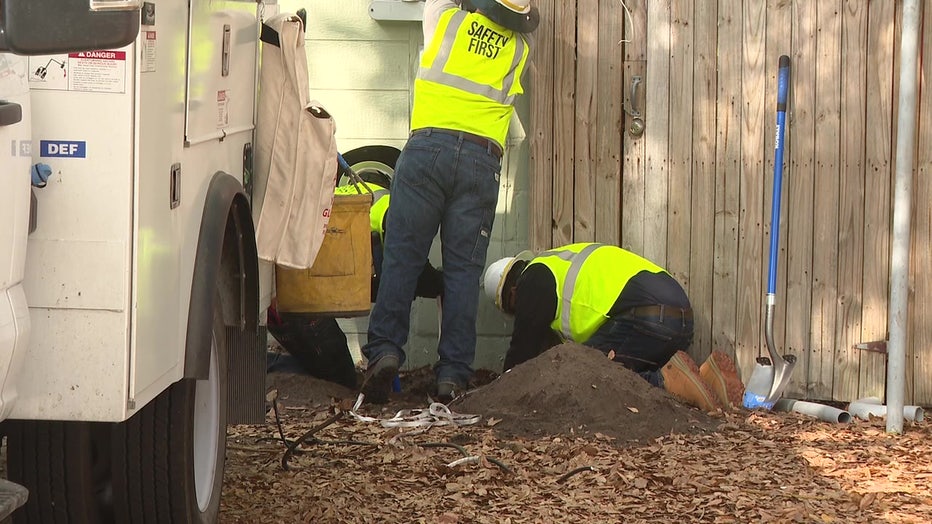
"Where we see repeated outages, they'll work closely with our asset design team, these engineers to say, ‘OK, this might be an area that's good for undergrounding,’" Raschid said.
Once a target is identified, the asset design team uses specialized software to map out individual homes and calculate specific electrical needs.
"Using our software, we will be able to design the home and the voltage using the square footage," Hutchins explained. "We'll be able to properly size the cables that we’re going to put underground."
Undergrounding is just part of the hardening efforts. Crews are also replacing traditional wooden poles with stronger, storm-resistant versions.
READ: Duke Energy customers shocked by unexpected deposit fees added to electric bills: ‘It’s crazy’
The utility is also leaning heavily into smart technology. Raschid compares their self-healing systems to a "GPS for power." When a segment of the grid fails, the technology automatically identifies the fault and reroutes electricity through alternative lines.
"They often only notice it for about a minute before their power is restored," Raschid said.
About 90 percent of Pinellas County customers benefit from self-healing technology, she said.
Raschid says the transition to underground power is designed to be relatively seamless. Depending on the complexity of the neighborhood, a project typically takes between one and three months to complete.
While the work involves heavy machinery and digging, Duke Energy officials stated that crews work to minimize the impact on homeowners. Power will be interrupted for 30 minutes to an hour.
The Source: Information in this story comes from Duke Energy Florida.