

Florida scientists make major advances in medicine, environment and public health

Scientific breakthroughs in 2025
Scientists took big leaps this year in improving medicine, cleaning the environment and saving lives. FOX 13’s Craig Patrick reports.
TAMPA, Fla. - Florida scientists have made significant breakthroughs in multiple fields this year, ranging from medicine to environmental restoration. Researchers at the University of Central Florida are producing nanoparticles that may make radiation therapy safer and more effective. The particles could prevent inflammation and bone loss caused by radiation or aid recovery afterward.
Dr. Melanie Coathup, director of the UCF Biionix Cluster, described the results as "fantastic," emphasizing that the treatment appears safe in preliminary testing.
Medical Innovations:
UCF also developed Silfoam, a dual-chamber syringe that rapidly closes deep bleeding wounds. The material expands on the wound, applying pressure while stopping blood loss, and can be easily removed if surgery is required. Researchers Kausik Mukhopadhyay and Pritha Sarkar demonstrated its effectiveness in simulated wounds.
Research and Restoration:
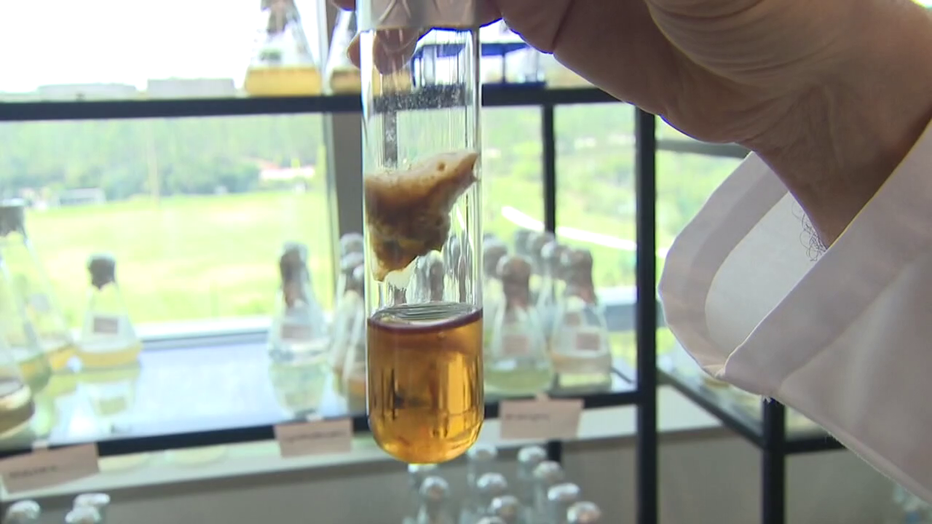
At Florida Gulf Coast University, Dr. Barry Rosen studies toxic algae in rivers, lakes and ponds. His research highlights how some control methods can harm beneficial algae that naturally limit toxic blooms. Some of these algae also produce compounds with anti-cancer properties, including potential treatments for pancreatic cancer.
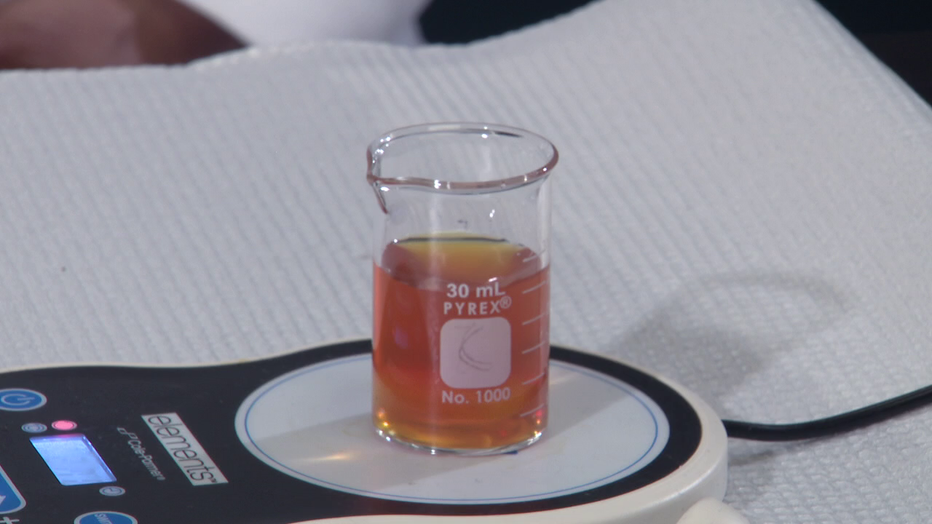
PREVIOUS COVERAGE: UCF scientists create nanoparticle treatment that could reverse radiation damage and restore bone loss
Meanwhile, Florida Atlantic University researchers, led by Amber Moore, are tracking the partial restoration of the Kissimmee River and Lake Okeechobee. Filling in drainage canals and improving water flow has raised oxygen levels and helped fish populations, although toxic algae blooms remain a concern. Moore noted the improvements are significant, but the project is ongoing.
Why you should care:
These scientific advances could directly impact human health, environmental quality and public safety in Florida. Innovations like nanoparticles and Silfoam could save lives, while restoring waterways may reduce toxic algae outbreaks that affect water supplies and ecosystems.
What's next:
Scientists will continue testing medical treatments for safety and efficacy, while environmental projects move forward to monitor ecological recovery. Breakthroughs in Florida science promise to improve lives, protect natural resources and inform future policy.
The Source: This report is based on interviews conducted by FOX 13 Political Editor Craig Patrick, statements from scientists at the University of Central Florida, Florida Gulf Coast University and Florida Atlantic University, and observations of ongoing research in medical and environmental sciences.