

Port Richey man loses $47K in online romance scam: 'I felt I was going to lose everything'

Man loses thousands in romance scam
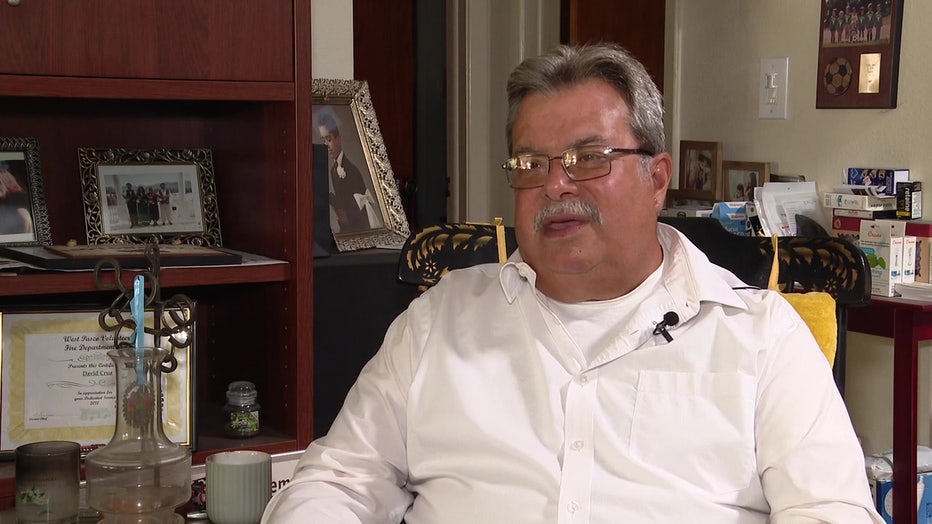
David Cruz is sharing a warning about romance scams after the 70-year-old says he lost $47,000. FOX 13’s Jennifer Kveglis reports.
PORT RICHEY, Fla. - David Cruz, 70, of Pasco County, said what started as a search for companionship online turned into financial and emotional devastation.
The backstory:
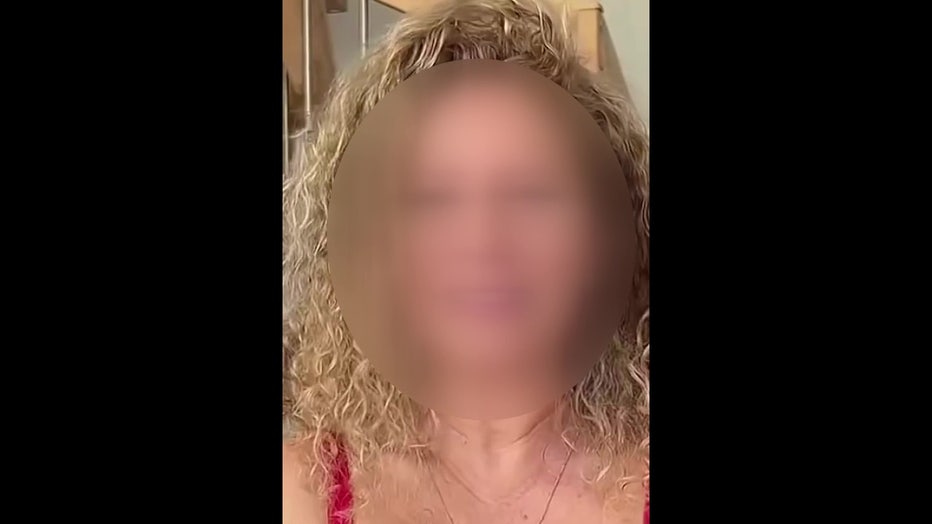
Earlier this year, Cruz accepted a Facebook friend request from someone identifying herself as "Bonnie Fleck," an interior decorator from Indianapolis. Their online chats soon evolved into phone calls and even what appeared to be video chats — later discovered to be AI-generated.
Cruz says "Bonnie" claimed she had been offered work in Australia but needed money for paperwork. Believing her, he dipped into his emergency home equity loan, sending her $5,000 — then more — eventually wiring a total of $47,000, including transfers through Bitcoin.
When the requests for money escalated, Cruz reported the situation to the Pasco County Sheriff’s Office. Investigators determined the account was connected to Nigeria, not Indiana.
What they're saying:
"At 70 years old and only having a very low income in Social Security, I felt I was going to lose everything that I have, that I worked my whole life for," Cruz said.
He described the emotional toll as equally painful:
- "Depression, of course."
- "Lost any self-worth feelings of not realizing this sooner."
His advice to others: "If you start to feel something is not right, go with your gut. Don’t go just with your heart. Because your heart may be lying to you."
Why you should care:
Law enforcement agencies warn romance scams are on the rise, particularly targeting older adults who may be lonely or vulnerable. Victims often lose their life savings, and the money is difficult to recover once it’s sent, especially through cryptocurrency.
What you can do:
Authorities recommend a few key steps to avoid falling victim to romance scams:
- Be cautious with online relationships: Scammers often create fake profiles with stolen photos.
- Don’t send money to anyone you haven’t met in person, especially through wire transfers or cryptocurrency.
- Verify identities: A quick reverse image search can sometimes reveal stolen profile photos.
- Talk it over: If you’re unsure, share what’s happening with a trusted friend or family member.
- Report scams: Victims can file complaints with the Federal Trade Commission (FTC) or the FBI’s Internet Crime Complaint Center (IC3).
The Source: This story is based on an interview with David Cruz conducted by FOX13’s Jennifer Kveglis, as well as information from the Pasco County Sheriff’s Office.