

Rare genetic mutation linked to anesthesia brain injury in patients with Venezuelan heritage
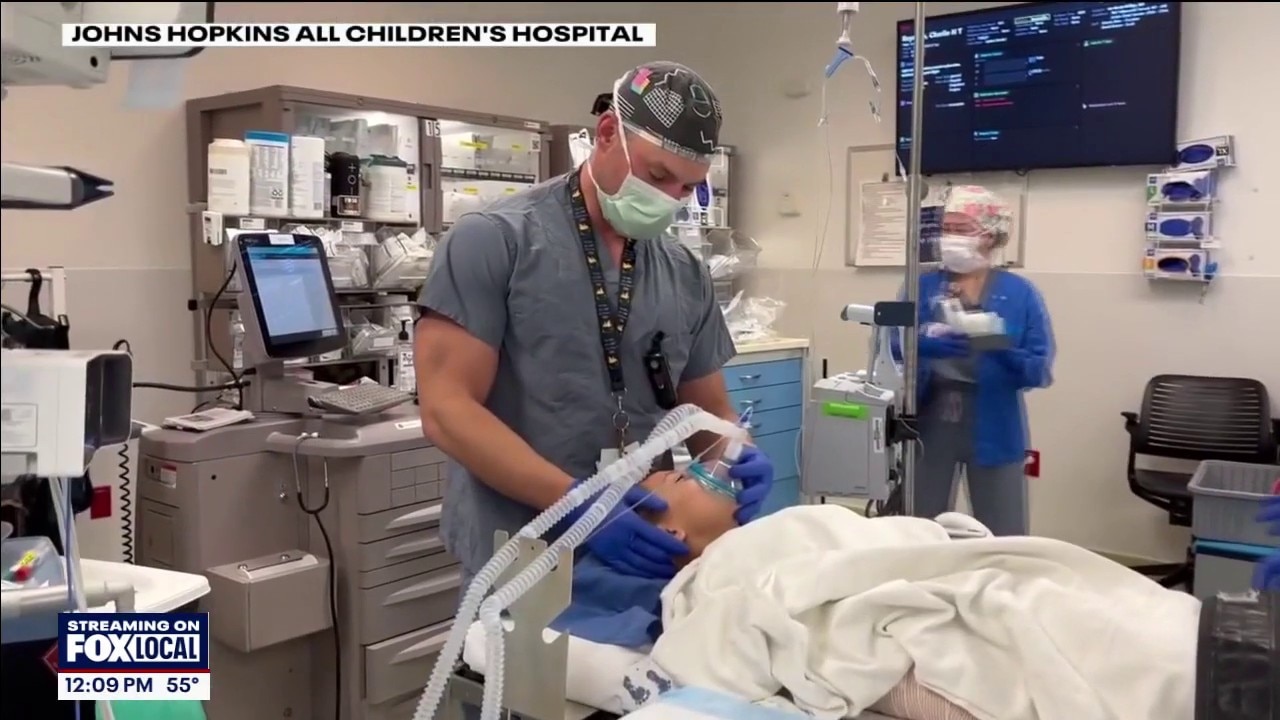
Anesthesia warning linked to ancestry
There is a new health alert from international medial associations after several young patients have died or suffered severe reactions to general anesthesia. FOX 13’s Kellie Cowan reports.
TAMPA, Fla. - A mitochondrial DNA mutation passed down through the maternal line in some Venezuelan families has been linked to severe brain injury and death in healthy patients undergoing routine anesthesia.
What we know:
Physicians have identified a specific mitochondrial DNA mutation prevalent in some Venezuelan populations that is believed to cause a catastrophic reaction after routine anesthetic exposures.
Some patients have suffered severe neurological complications or death. Experts have confirmed approximately 40 cases worldwide, with roughly six to eight cases identified within the United States.
While most victims are children, the American Society of Anesthesiologists warns the risk applies to adults as well.
READ: Advocates head to Tallahassee to push for continued cancer funding
The American Society of Anesthesiologists and Society for Pediatric Anesthesia have released a joint communication that recommends anesthesiologists consider asking their patients about potential maternal Venezuelan heritage, warning that any patient with direct maternal Venezuelan lineage should be considered at risk.
The backstory:
Dr. Luis Rodriguez, an anesthesiologist at Nicklaus Children's Hospital in Miami and a fellow of the Florida Society of Anesthesiologists, says the first known cases began to appear in the early 2000s after several members of a Venezuelan physician's family died after exposure to inhaled anesthesia. The cases happened on different continents and years apart.
"They Just Don't Wake Up": Specialists weigh in on genetic risk facing Venezuelan families in surgery
Fox 13’s Kellie Cowan shares her in-depth interviews with Tampa Bay doctors after geneticists identified between a rare mitochondrial DNA mutation prevalent in some Venezuelan populations and catastrophic reactions to anesthesia.
For years, similar tragedies were seen as isolated, unexplainable incidents.
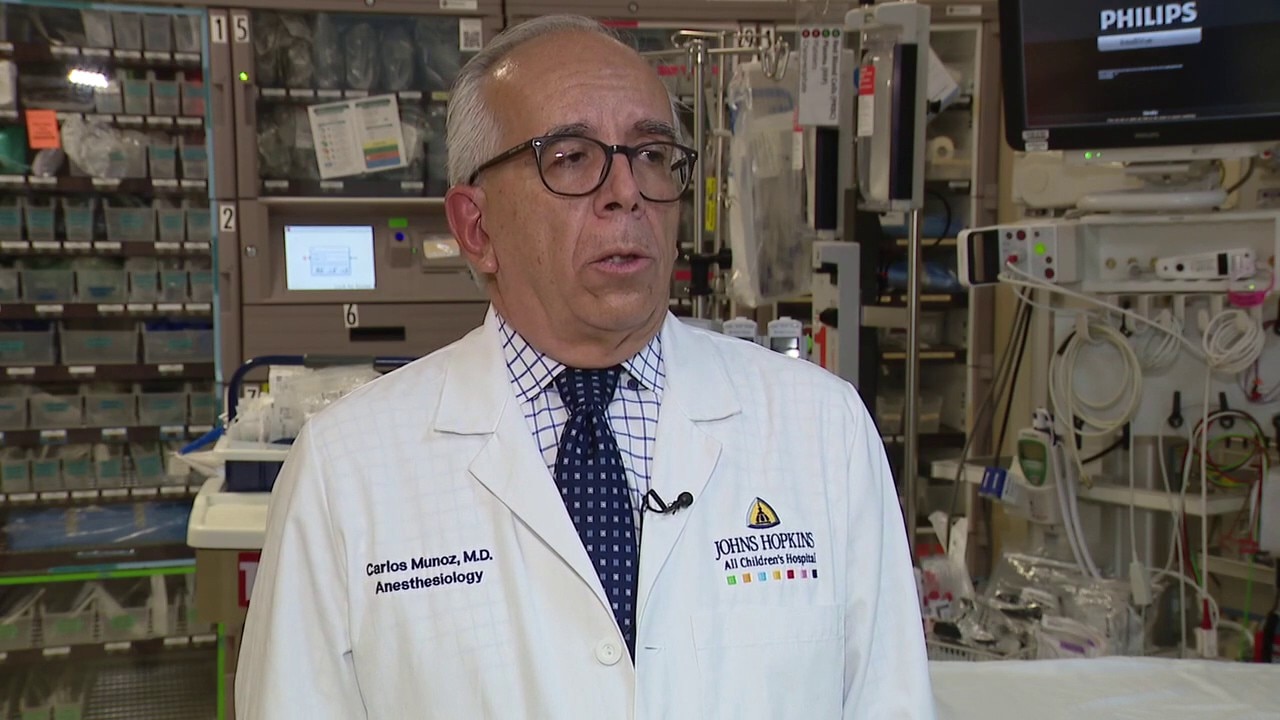
"These patients came in for run-of-the-mill anesthetics and procedures, and they just didn't wake up," explains Dr. Carlos J. Munoz, a pediatric anesthesiologist at Johns Hopkins All Children’s Hospital.
As medical societies in Chile, Venezuela, Spain, and the U.S. began sharing data, a pattern emerged: the victims were all previously healthy, and all shared Venezuelan maternal roots. The "Venezuelan exodus"—which has seen millions of people settle in the U.S., Europe, and across South America—has brought this previously unknown genetic risk to the attention of global medical communities.
What they're saying:
"The outcome so far in all the cases described is horrible. If we can do everything we can to prevent any other children of Venezuelan descent from having a severe neurological outcome or even death, we must, explained Dr. Luis Rodriguez, fellow of the Florida Society of Anesthesiologists.
READ: Meta and YouTube facing landmark trial related to youth addiction claims
"We'd have evidence of a dozen or maybe two dozen of these cases in children and young adults... all of these have been previously healthy children who developed severe neurological complications," stated Debnath Chatterjee, chair of the ASA Committee on Pediatric Anesthesia.
"It has nothing to do with where you're from. It doesn't have to do with how you were raised. There have been cases all over the United States, even in places where you don't see a lot of Latin populations like the Midwest," said Dr. Carlos J. Munoz. "The important part is that we have science and information, we make decisions based of science, based of what we know about the mechanisms of anesthesia and we have choices of medications that we can use to make these procedures safe."
Screening backlash
The new screening protocol has faced pushback due to the sensitive nature of asking about national origin. Dr. Luis Rodriguez, who is Venezuelan-trained himself, acknowledges that the question adds a painful "connotation" to the Venezuelan name during an already difficult geopolitical time.
Many families fear that disclosing their heritage could impact their immigration status or lead to discrimination. Physicians are working to emphasize that they are not reporting status to authorities; they are simply trying to choose the right medication.
"It's a medical-privileged information, so it is protected as far as we can by the law of the country," said Dr. Munoz.
Why you should care:
If a patient has a mother or grandmother from Venezuela, they may carry this mutation.
"We want parents to understand... we can manage this if we need to," said Randall Clark, director of the Anesthesia Quality Institute and former ASA director. If an anesthesiologist is aware of the risk, they can avoid the trigger gases and use different sedative techniques that are completely safe for these patients.
WHAT’S NEXT
Medical societies like the ASA and SPA are actively disseminating information to hospitals and asking for reporting of suspected cases. For patients who screen positive for Venezuelan maternal heritage, experts recommend:
- Genetic Testing: To be conducted by local experts if time permits.
- Alternative Anesthesia: In the absence of testing, doctors are advised to avoid all volatile anesthetics entirely for these patients.
The Source: This report is based on interviews with anesthesiologists and official communications from the American Society of Anesthesiologists (ASA), the Society for Pediatric Anesthesia (SPA), and the American Medical Association (AMA). Direct testimony was provided by specialists from Johns Hopkins All Children’s Hospital and the Anesthesia Quality Institute.