

Researchers at Apollo Beach study sea urchins and coral to help restore Florida’s reefs
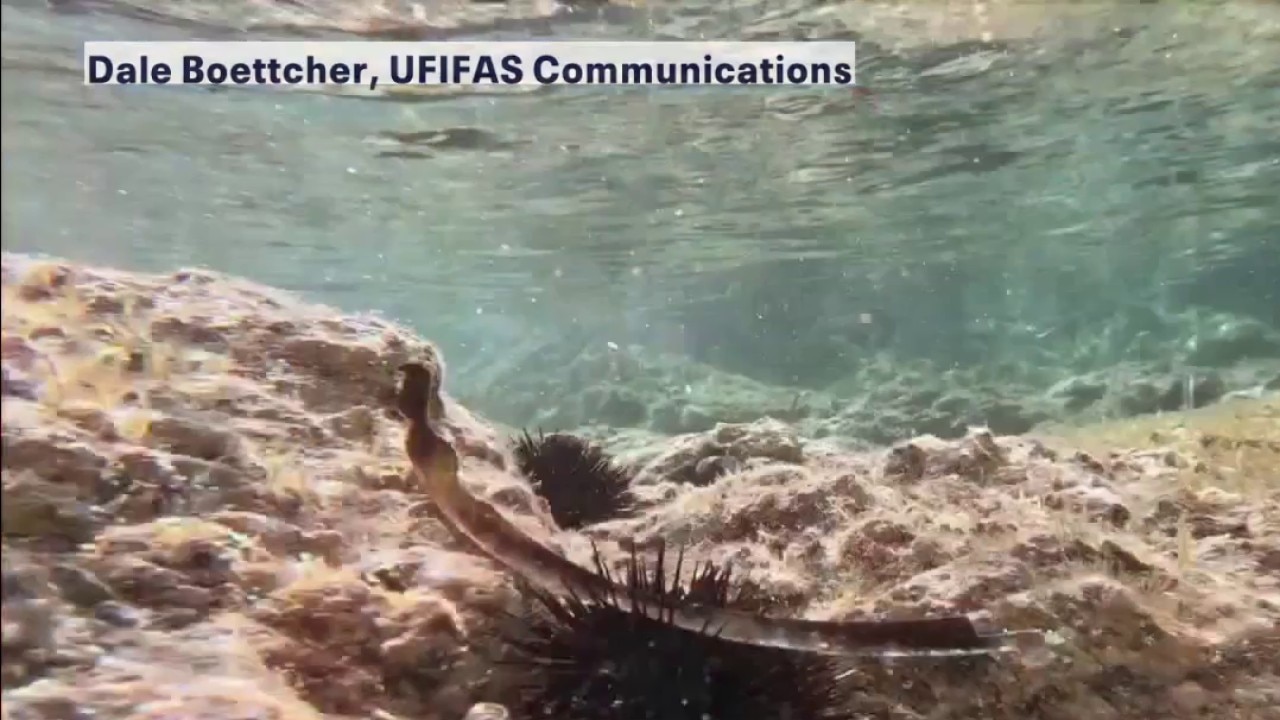
Baby sea urchins helping with ocean environment
A University of Florida lab in Apollo Beach says that baby sea urchins are helping the future of coral reefs. FOX 13's Heather Healy reports.
APOLLO BEACH, Fla. - Important marine research is underway in Apollo Beach as researchers work to better understand the relationship between coral reefs and sea urchins—two species critical to the health of Florida’s coastal ecosystems.
What we know:
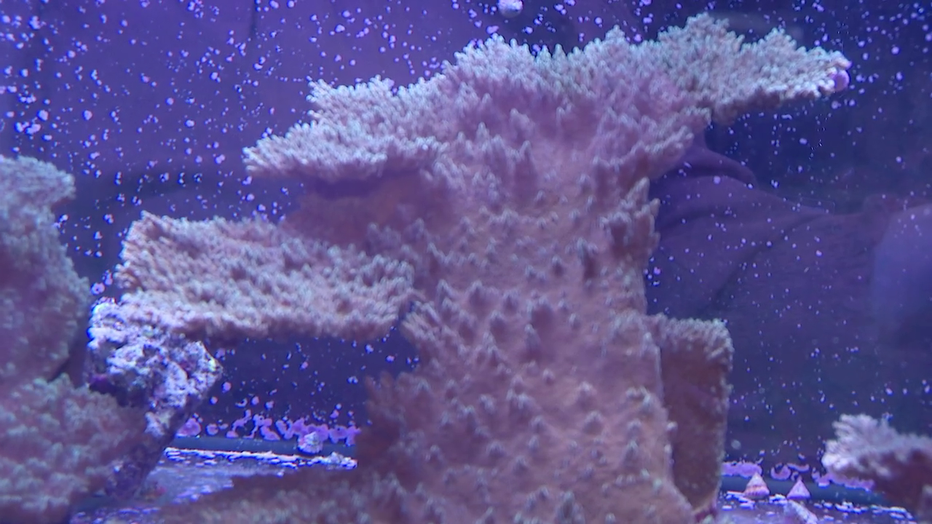
Florida Aquarium Biologist Alex Petrosino and UF Associate Professor Josh Patterson showed FOX 13 specific corals that are considered critically endangered, yet they play a vital role in building and sustaining Florida’s reef systems.
"These are the reef-building corals here in Florida," said Petrosino. "They provide habitat for fish and other marine life, but they also help humans by supporting tourism and fishing industries."
READ: PHOTOS: 'Space jellyfish forms' from SpaceX Starlink rocket launch
Coral reefs also serve another critical purpose: protecting coastlines during storms. Researchers say reefs act as natural barriers that help break up waves and reduce the impact of hurricanes on coastal communities.
Dig deeper:
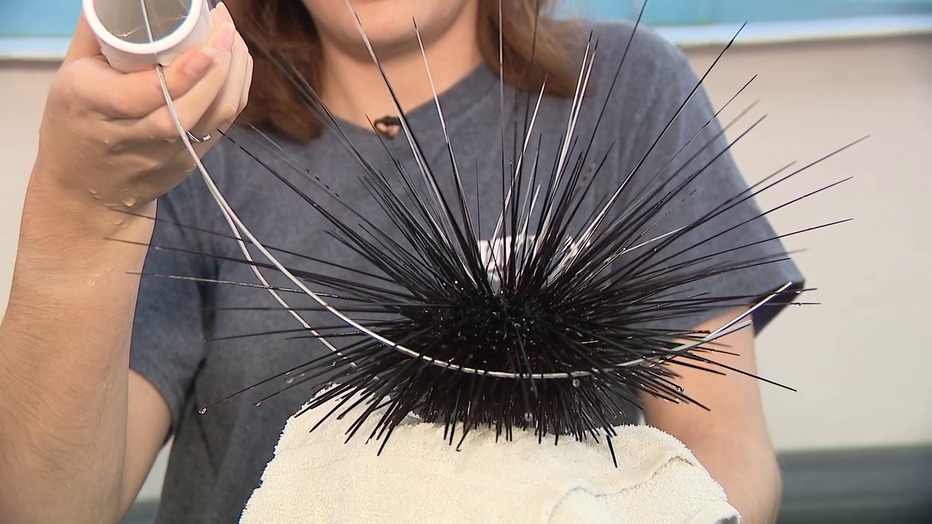
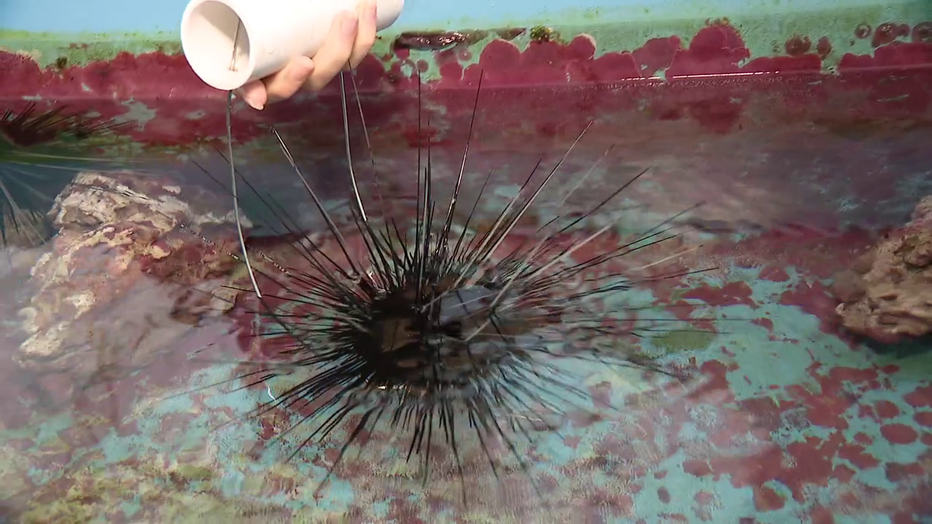
Alongside the coral research is a small but mighty marine species: the long-spined sea urchin.
"These guys are kind of like the lawn mowers of the reef," explained Patterson. "They mow down algae that grows on surfaces and compete with corals. That really benefits the coral and the reef ecosystem overall."
READ: Popular Dover wedding venue Cross Creek Ranch permanently closes without warning
Without sea urchins grazing on algae, coral can struggle to survive. However, the species has faced major challenges.
Why you should care:
The work has resulted in a partnership between researchers at the University of Florida and the Florida Aquarium, who are using facilities in Apollo Beach to advance reef restoration research.
The Source: Information for this article was done by conducting live interviews with researchers from the University of Florida and the Florida Aquarium.