

Sarasota Bay remains healthy after 14,000-gallon wastewater spill, environmental experts say
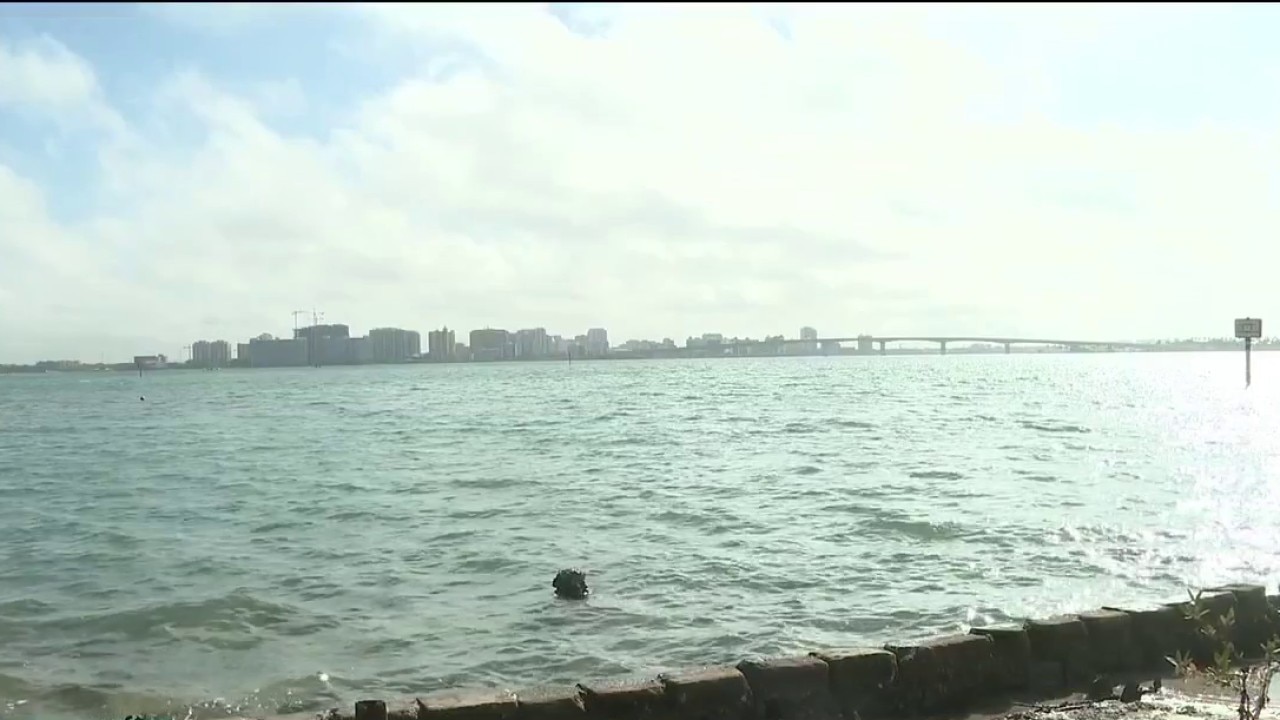
Tracking the health of Sarasota Bay
On the water, the Sarasota Bay Estuary Program keeps track of Sarasota Bay's health. What they have seen is a bay that is bouncing back and filled with life. FOX 13's Kimberly Kuizon reports.
SARASOTA, Fla. - On the water, the Sarasota Bay Estuary Program keeps track of Sarasota Bay's health. What they have seen is a bay that is bouncing back and filled with life.
Sarasota Bay does still face some challenges.
Like a wastewater spill on Sunday, under the Ringling Bridge.
Despite the spill, environmental experts said the bay is very healthy.
The backstory:
A fence blocks off a portion of West John Ringling Causeway Park, damaged during the 2024 hurricane season.
READ: Man arrested after argument leads to deadly parking lot shooting at Lakeland pool hall: Police
It's in the same location where on Sunday, 14,000 gallons of raw wastewater spilled into Sarasota Bay.
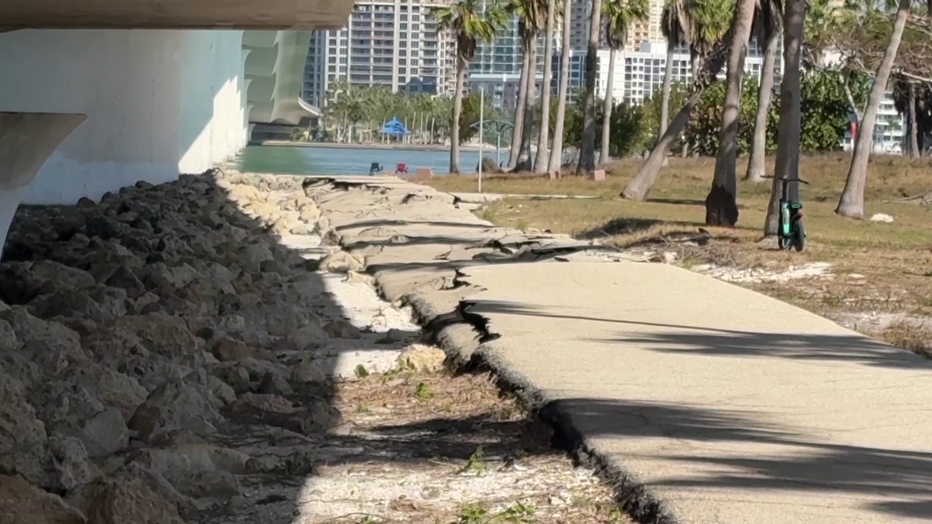
The spill was enough to fill a tanker truck.
The city of Sarasota said erosion from Hurricane Milton shifted the ground where a wastewater valve was located.
"Nobody ever wants to see wastewater spills in the bay, but one thing about this one, it was relatively small. 14,000 gallons compared to some of the ones that have been released when we have big hurricanes and things are on the order of tens of millions of gallons," Ryan Gandy, the executive director of Sarasota Bay Estuary Program, said.
By the numbers:
Gandy said the bay's health is in a much better state compared to 2013 to 2019, when large-scale spills were reported.
Gandy said Sarasota city and county upgrades have helped put the bay on a nitrogen diet. They've even seen a nearly 20% increase in seagrass in 2024.
"A lot of the municipalities have gone through, they’ve repaired and replaced a lot of those aging lines in Sarasota. Sarasota has put a lot of money into their infrastructure to prevent that from happening," Gandy said.
A sign remains at the spot, warning of the spill.
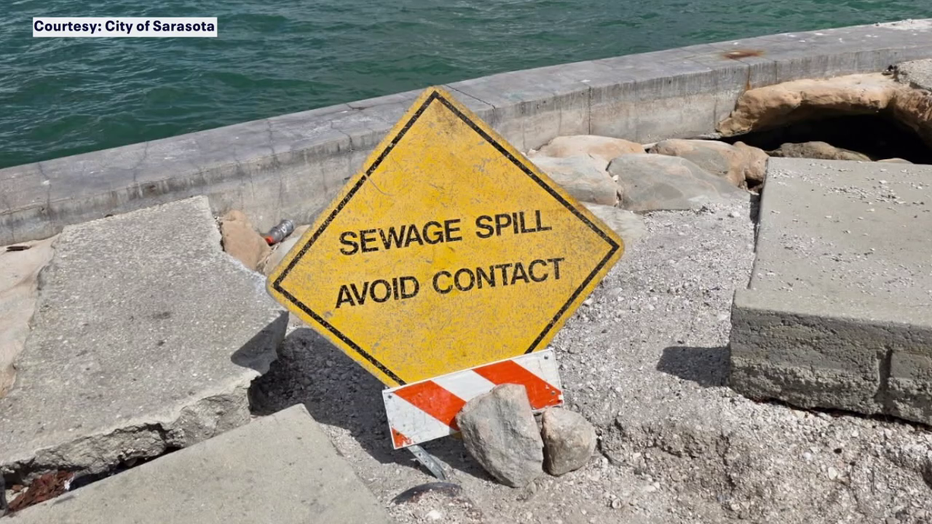
Gandy said early numbers so far have not detected a bacterial issue in the area.
What they're saying:
"It's still an area you want to avoid, not swim in till the signs come down and there’s multiple rounds of testing to tell it’s clean. But again, a small spill in an area that has high flushing rate, high flow likely is one of the reasons why we are not seeing that spill around," Gandy said.
Gandy said spills that do occur are often systems weakened by age or hurricanes. He said these are areas local governments are continuing to focus on upgrades.
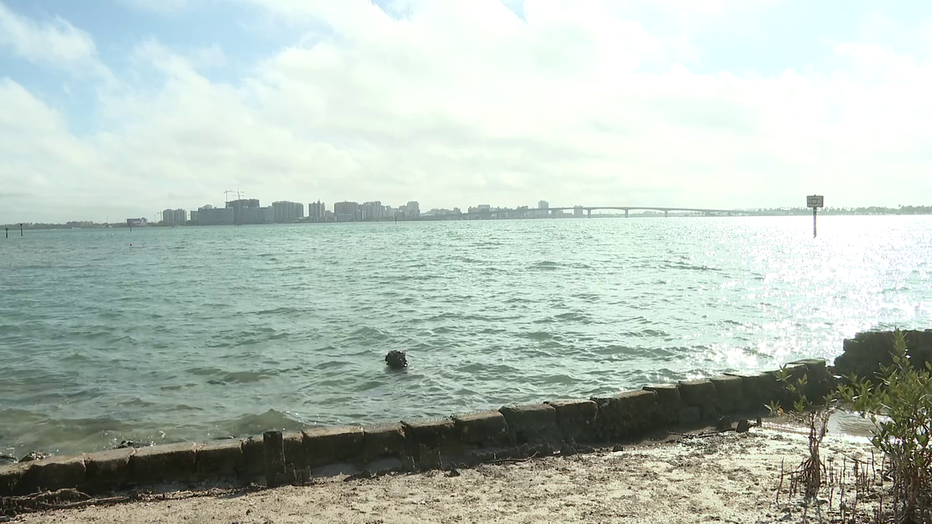
"What we’ve seen since the bay has gotten better with the reduction in wastewater spills over time and water quality, is that it’s ability to handle small events like this are much better. It’s at a better state, and we don’t think this will trigger anything like algal blooms or anything that we’ve seen in the past from the very large spills," Gandy said.
The Sarasota Bay Estuary Programs works in partnership with Florida Sea Grant, Mote Marine Laboratory and Sarasota and Manatee counties to measure macroalgae and seagrass coverage.
What you can do:
The program is preparing for their Eyes on Seagrass event. They go out in April and July with volunteers to collect information that will be used in the Sarasota Bay Ecosystem Health Report Card.
To learn more, visit here.
The Source: Information was gathered by FOX 13's Kimberly Kuizon through the city of Sarasota, Florida Department of Environmental Protection and Sarasota Bay Estuary Program.