

Students with disabilities fear impact of Trump’s Department of Education plans

Future uncertain for Board of Education
President Donald Trump plans to shut down the U.S. Department of Education, because he claims it's costly and unnecessary. FOX 13's Craig Patrick reports.
TAMPA, Fla. - Students with disabilities in U.S. schools receive legal protections under Section 504 of the Rehabilitation Act.
The backstory:
Section 504 prohibits discrimination based on disability and requires schools to provide reasonable accommodations, ensuring equal access to education. These accommodations can include alternative learning environments, modified pacing, or additional support to help students keep up with their peers.
The U.S. Department of Education plays a central role in enforcing Section 504. Activists fought for the law’s passage in 1977, including mass protests and occupations of federal buildings, to push President Jimmy Carter to sign it.
Why you should care:
Students and families fear that President Trump’s plan to shrink or abolish the Department of Education could reduce oversight and enforcement of Section 504 protections.
MORE NEWS: Trump administration moves to shrink the Department of Education
JJ Holmes, a former Florida K-12 public school student who benefited from accommodations, said, "As President Trump gets rid of the Department of Education, it'll leave the students with disabilities being discriminated against."
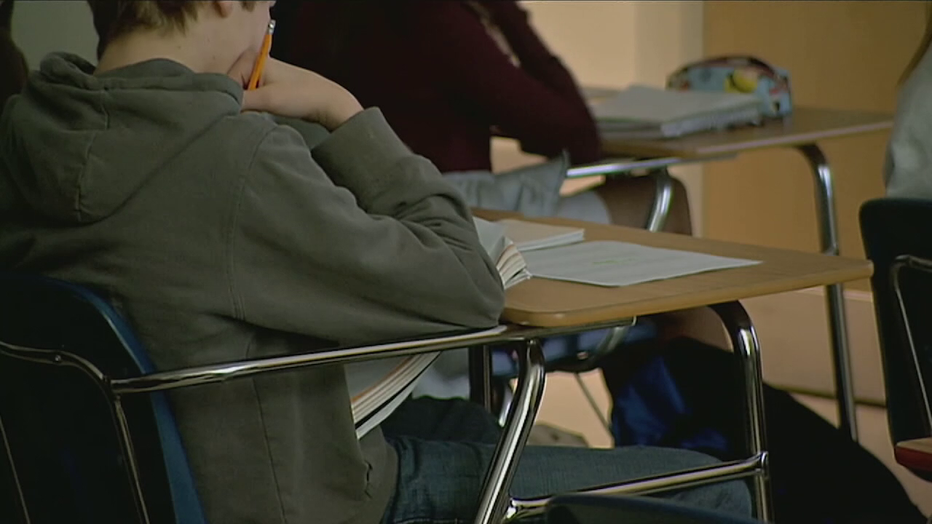
Holmes said that the support he received allowed him to succeed in middle school, graduate from high school and successfully pursue college, highlighting the real-life impact of federal oversight.
The other side:
Even if Congress approves the administration’s plan to abolish or significantly shrink the department, Section 504 protections would legally remain in place. However, federal oversight would be reduced, potentially limiting the department’s ability to intervene in serious cases of discrimination or noncompliance.
"The downside is that if there’s a really significant case that should involve the federal government coming in to try to do corrective action on a school district or a non-profit provider, that doesn’t look like that’s going to be there," Chris Reykdal, Washington State Superintendent, said.
Some responsibilities could shift to the Justice Department, but that might result in more families resorting to lawsuits rather than a straightforward complaint process.
Additionally, if federal education grants are reduced or eliminated, programs that rely on federal funding could lose resources critical to supporting students with disabilities.
What's next:
As the Trump administration continues to pursue its plan through 2026, educators, disability rights experts and advocacy groups are closely monitoring how changes to the Department of Education could affect students with disabilities.
Federal lawmakers will also play a key role in determining what powers and funding remain, shaping the level of oversight and enforcement going forward.
The Source: This report draws on interviews with JJ Holmes, former Florida student; Dr. Steven Noll, University of Florida disability rights professor; and Chris Reykdal, Washington State Superintendent. It also references the Rehabilitation Act of 1973, Section 504, and current statements from the U.S. Department of Education.