

Tampa mother who lost son to heatstroke among those urging caution amid heat advisories

Heat advisory for Tampa Bay
FOX 13's Aaron Mesmer shares the message that the mom of a high school student is preaching over five years since her son died from heat stroke during football practice.
TAMPA, Fla. - As heat advisories stretch into a third consecutive day across Florida, a Tampa mother is using her grief to push for life-saving education amid dangerous temperatures.
What we know:
By late afternoon on Monday, the heat index in the Tampa Bay area soared as high as 111 degrees. With two-thirds of the state under "major risk" from extreme heat, health and emergency officials are urging residents to take precautions.
READ: Heat advisory for Tampa Bay area Monday, rain chances go back up this week
Among those warning about the dangers is Phyllis Walters, whose 14-year-old son, Hezekiah Walters, died of heatstroke during football practice at Middleton High School in 2019.
"It's been six years, and I miss my son every day," Walters said.
On Monday, she joined dozens of students at Tampa’s Skills Center to talk about heat-related illness and the importance of learning CPR skills she believes could have saved Hezekiah.
MORE: Ybor fusion restaurant blends Asian cuisine and coffee culture
"Nobody knew what to do," she said. "So we're going to teach these kids what to do in case of an emergency."
The event comes as Hillsborough County’s Office of Emergency Management continues to warn residents about extreme heat, with officials saying many people remain unprepared.
"A lot of times people are not prepared for this," said Chief C.K. Moore with Hillsborough County’s Emergency Operations. "We're telling folks to take advantage of all the different buildings we have in the county that provide not only cooler locations, but also hydration options."
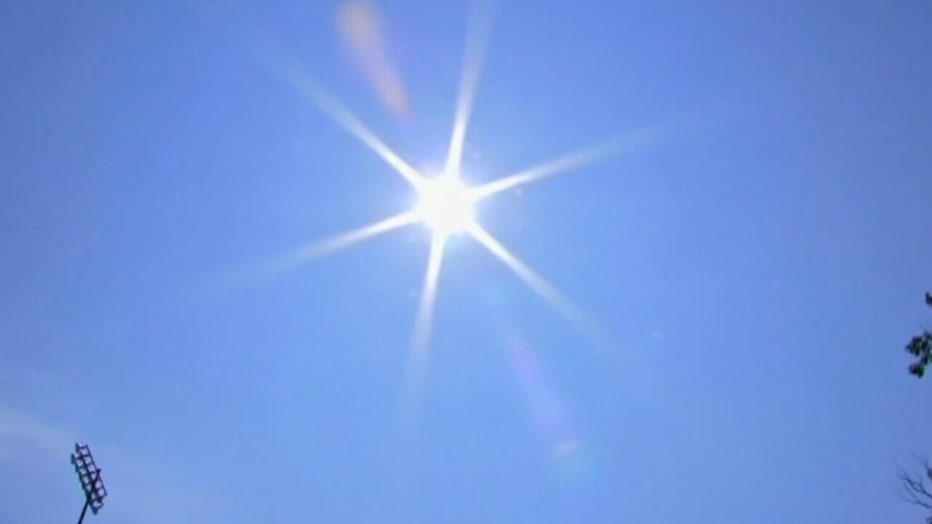
According to the National Oceanic Atmospheric Administration, extreme heat causes more deaths annually than hurricanes, tornadoes or lightning combined.
READ: Tampa's shrimping industry shrinks: A century-old family business fights to survive
What they're saying:
Family physician Dr. Amber Stephens with Optum Health in Dunedin echoed Moore’s warnings.
"That can lead to things such as heat exhaustion or heatstroke," Stephens said.
Stephens urged people to know the differences in symptoms connected to heat-related illnesses.
"The major differences is that someone with heatstroke actually is going to have a higher body temperature. They're not going to be in that 98, 99 [degree] body temperature range. They will have gone up to 103 or higher. But also they tend to have more of like a red, dry skin. They're going to feel really hot because their body at that point in time has stopped being able to compensate for the heat. Whereas someone with heat exhaustion, they're going to have some of the things like the nausea, the dizziness, the lightheadedness, the headaches," she explained, adding certain people are more at-risk for emergencies. "The biggest risks are going to be with your patients who are older, so over 65, very young, so younger than two years old, people who can't express what they're feeling or how they physically are feeling, so patients who are mentally disabled or have a capacity that's diminished. Pregnant women are always at risk."
What's next:
As heat advisories continue, officials are urging the public to stay cool, stay hydrated and learn CPR.
Local outreach efforts, like the Skills Center event, aim to better prepare youth and families for emergencies brought on by Florida’s extreme summer temperatures.
The Source: Information for this story came from interviews with Phyllis Walters, Hillsborough County Emergency Management, Optum Health in Dunedin.