

USF secures $1.5M to upgrade hurricane forecasting after relentless 2024 season
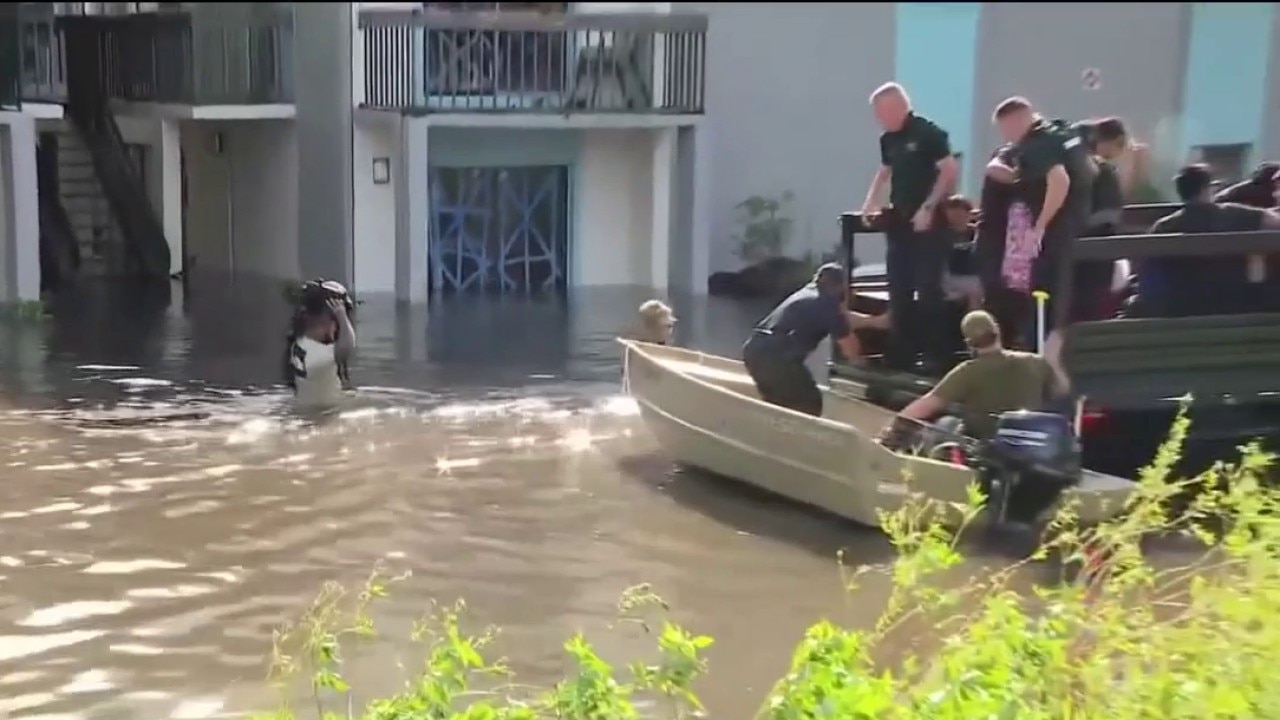
USF awarded funding to track weather impacts
As Florida deals with more extreme weather, Tampa Bay leaders, residents and researchers are working on ways to protect themselves in the future. FOX 13's Briona Arradondo reports.
TAMPA, Fla. - Tampa Bay residents shared their stories of extreme weather’s harsh realities and resilience Wednesday during a meeting in Tampa.
To help with forecasting, the University of South Florida will use $1.5 million in federal funding to upgrade oceanography instruments for hurricane forecasting and more.
As Florida deals with more extreme weather, Tampa Bay leaders, residents and researchers are working on ways to protect themselves in the future.
The backstory:
The 2024 hurricane season was relentless.
"It really was frantic during the time because on a fixed income you have to reevaluate everything," said Alice Moore, a Tampa resident.
At the Hanna Avenue City Center, about a dozen Tampa Bay residents shared their stories of harsh realities at an extreme weather meeting hosted by Climate Action Campaign. Moore watched her Tampa apartment flood and her car float when Milton hit.
"So that meant I had to start over again, to do that. It was really frightening to do that because you don’t know what to do," said Moore.
Moore and others are the faces of extreme weather impacts. Tracking those storms is a task the University of South Florida intends to improve.
"Instead of getting four inches of rain in an hour, you might have six or eight inches of rain. And if you can better understand that rate of change, or you can better forecast that, you can use that for your emergency response plans," said Tom Frazer, the dean of USF’s College of Marine Science.
READ: Florida lawmakers revisit hurricane law after critics say it froze local planning
By the numbers:
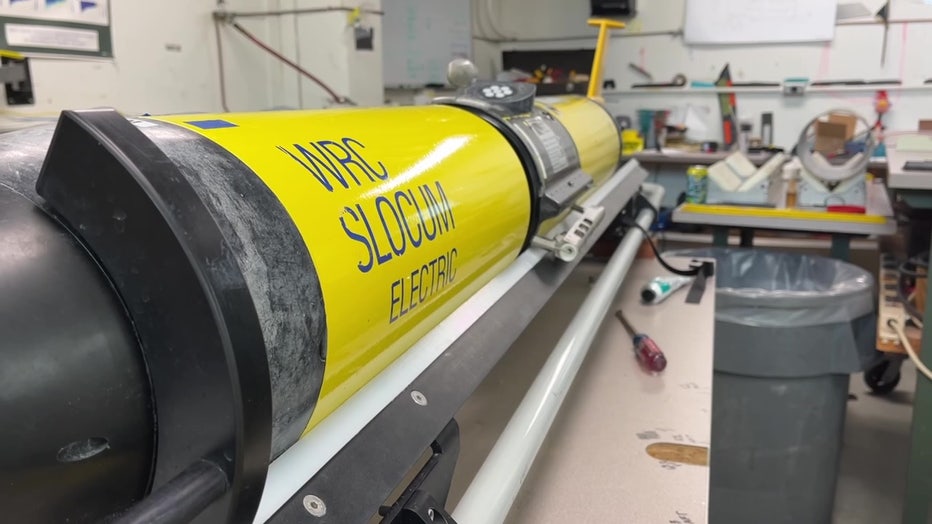
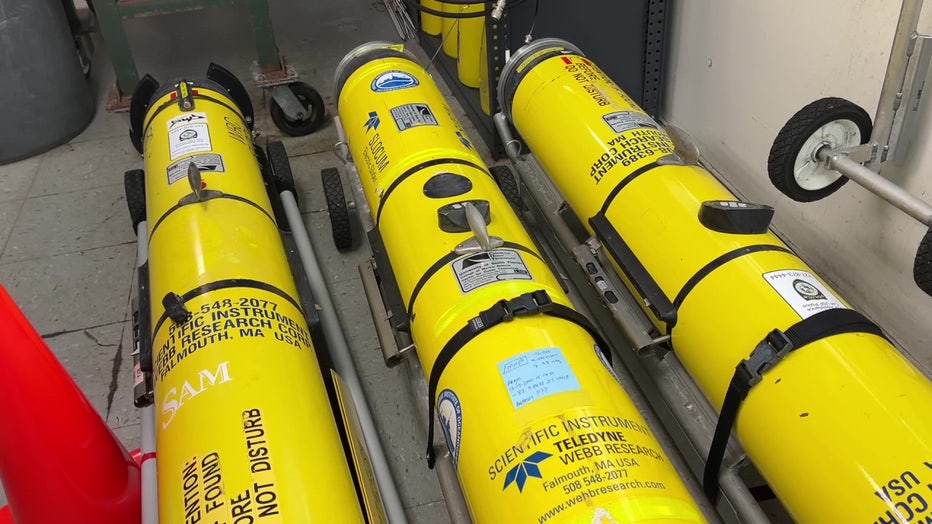
Frazer said they are receiving $1.5 million in federal funding to upgrade equipment like these gliders to record what’s happening in the ocean. The funding is part of $14 million secured from Congress to support seven projects at USF, and it was sponsored by U.S. Representative Anna Paulina Luna.
"We can get a better understanding of, for example, how fast hurricanes might intensify or if there’s going to be a hurricane that’s passing somewhere on the Florida coast. What is the water level going to look like that might be associated with that storm surge," said Frazer.
What they're saying:
USF said adding more sensors to buoys will also improve their readings for storms and more.
"Those sensors can tell us very specifically what types of harmful algae might be in the water column," said Frazer.
That helps with forecasting red tide and where it will move. Frazer said the data they collect from storms to algae, helping NOAA, the U.S. Navy, and residents.
"What happens in the ocean affects all of Florida," said Frazer. "We’re pretty entuned to it here in Pinellas County but all of the surrounding counties: Hillsborough, Sarasota, Manatee, Pasco. Everybody in our general area is going to benefit from this."
Local leaders are acting on it, the city of Tampa raising lift stations and upgrading stormwater infrastructure. The mayor said they could use some extra help as well.
"With our lift station, being able to raise all of the electricity, getting generators for all of our stormwater ponds, all of those initiatives that really take a great deal of funding. It seems to be that money’s always the issue," said Tampa Mayor Jane Castor.
USF researchers said they expect to see the federal funding in the next few months, so the upgrades can happen in time for this year’s hurricane season.
The Source: The information for this story came from interviews with the Tampa mayor, University of South Florida and a resident at a meeting. It was gathered by FOX13’s Briona Arradondo.