

Florida Voter ID changes: House approves election bill requiring proof of citizenship, removes student IDs
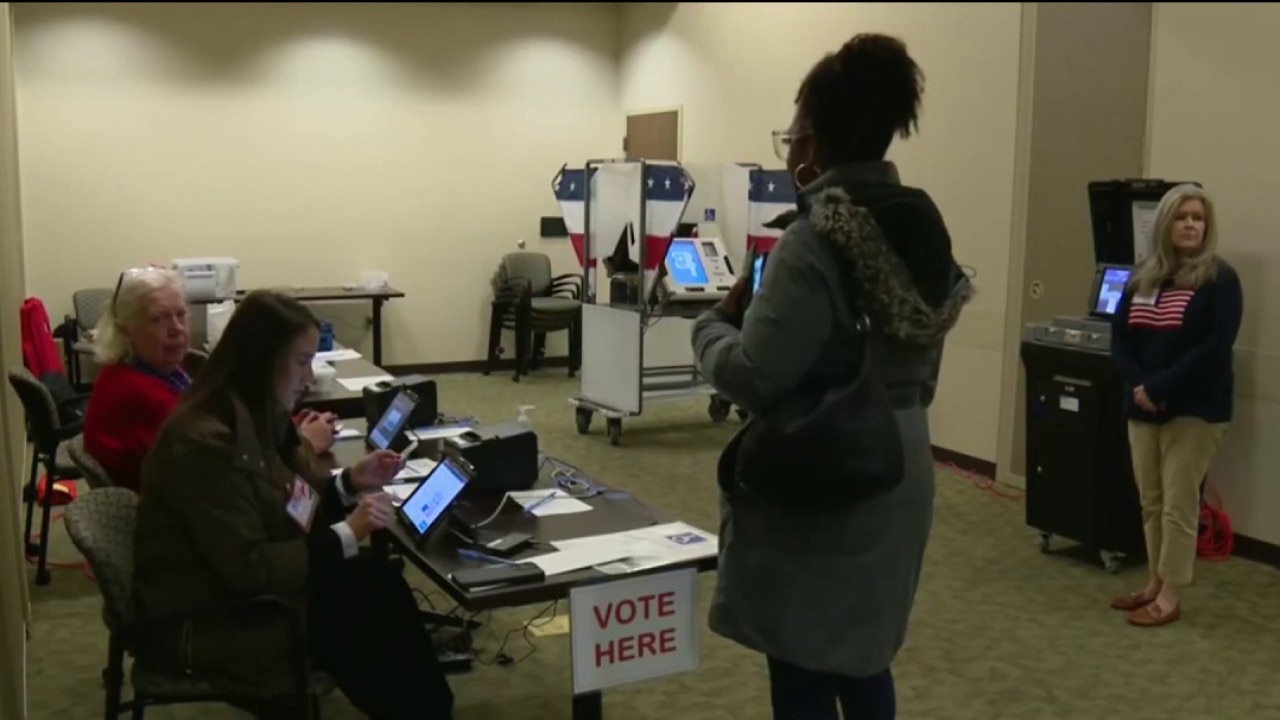
TALLAHASSEE, Fla. - Florida lawmakers took a major step toward tightening up the state’s elections on Wednesday, after the House of Representatives approved a bill that would require proof of citizenship and remove some forms of voter identification.
What we know:
Election integrity is the main goal behind the election bills, with versions in both the state senate and the house.
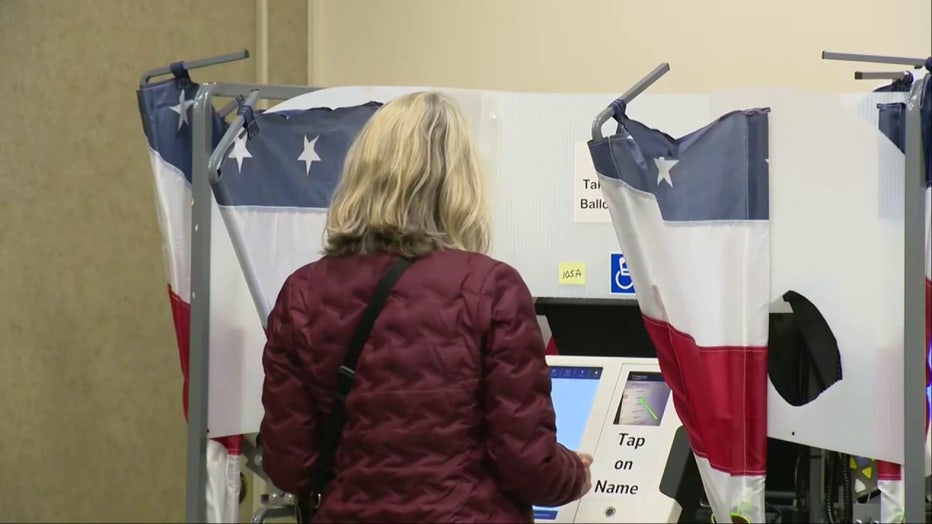
Florida House Bill 991 on election integrity was approved 83-31 on Wednesday. It establishes data sharing between the state agencies to recheck voter rolls, requires most voting on paper ballots, and it requires voters to prove they are U.S. citizens before they can vote. Florida already requires voters to be U.S. citizens.
The bill sponsor, State Representative Jenna Persons-Mulicka, R-District 78 of Lee County, said nearly all Florida driver’s licenses and ID cards are Real-ID compliant, and that process already verifies citizenship.
Florida Senate Bill 1334 on elections is currently in an appropriation's committee. It would do the same thing as the House version that was approved, requiring proof of U.S. citizenship to vote. The bill sponsor, State Senator Erin Grall, R-District 29, said it would also require the Real ID driver’s licenses and ID cards to have a marker to show citizenship.
MORE: Missing Epstein files: Trump sexual assault claims withheld, lawmakers say
"This is actually allowing them to rely completely on the Real ID compliant identification cards for Florida residents as opposed to ever having to get any additional information," said Grall. "There is a cross-check that is having to happen that is taking much more work from the supervisors of elections’ perspective because of the way the driver’s license number has changed."
What they're saying:
Some opponents, voting advocates and Democrats voiced concerns, because some disenfranchised groups may not have access to birth certificates to prove they are eligible under this change.
State Rep. Ashley Viola Gantt, D- District 109 of Miami-Dade, said her aunt was never issued a birth certificate, because she wasn’t born in a hospital due to oppressive segregation laws in the 1940s. Rep. Gantt said her aunt was a federal employee and cannot renew her driver’s license to be Real ID-compliant, adding that they’ve tried to enlist help from other lawmakers in South Carolina, where she was born.
"We still have not obtained her birth certificate, and it’s been a year. Because they don’t know what to do," said State Rep. Gantt. "So, my aunt, whose birthday was on the 18th, has been crying for a year because she’s been stressed out about this. This is what a lot of Black folks who were born during Jim Crow have to contend with. They do not have issued birth certificates. It’s not conjecture; this is real life."
READ: Casey Means faces hearing as Trump’s pick for surgeon general
Dig deeper:
Both versions of the election bill get rid of certain non-government IDs, like retirement center IDs and student IDs, affecting out-of-state students who live in Florida to attend college.
Senator Grall said students must prove they are Florida residents. It’s a change students spoke up about during the latest Senate Appropriations committee meeting.
"Florida already has secure elections. This is not the issue. What I’ve seen firsthand at the University of Miami is students being turned away for presenting their student ID rather than a Florida driver’s license, and we have a lot of out-of-state students," said Luna Plaza, a University of Miami senior student who opposes the bill. "I know this many not be an issue at other polling locations, but it certainly is at mine."
By the numbers:
Under the Senate bill, it would require a marker on Real IDs to show citizenship. Grall said it would cost the state about $172,000 for people who become U.S. citizens and update their license for new citizenship marker, and everyone else would get a license with new marker upon renewal.
The House and Senate bills are Florida’s own version of the "Save America Act" that is up for debate in Congress. Florida’s bills also seek to update how voters are verified through the database, and it establishes pen and paper as the preferred method of voting.
MORE: States sue Trump administration over child vaccine policy. What we know
"Just as the Save America Act is common sense, this election integrity bill is common sense," said State Rep. Persons-Mulicka on Wednesday. "A vote for this bill is a vote for our constitution. It’s a vote for Floridians, and it’s a vote for the United States of America."
What's next:
Now that the Florida House approved its version of the bill, it’s up to the Senate to approve its version, SB 1334. If the bill reaches the Senate floor and is approved, it will go to the governor for his signature. If signed into law, the bill would take effect on July 1.
The Source: The information in this story was gathered from the Florida House session and Senate committee meetings, and it was reported by FOX 13’s Briona Arradondo.