

Florida looks to detect crop disease early with drones, AI as nation’s 3rd celery producer
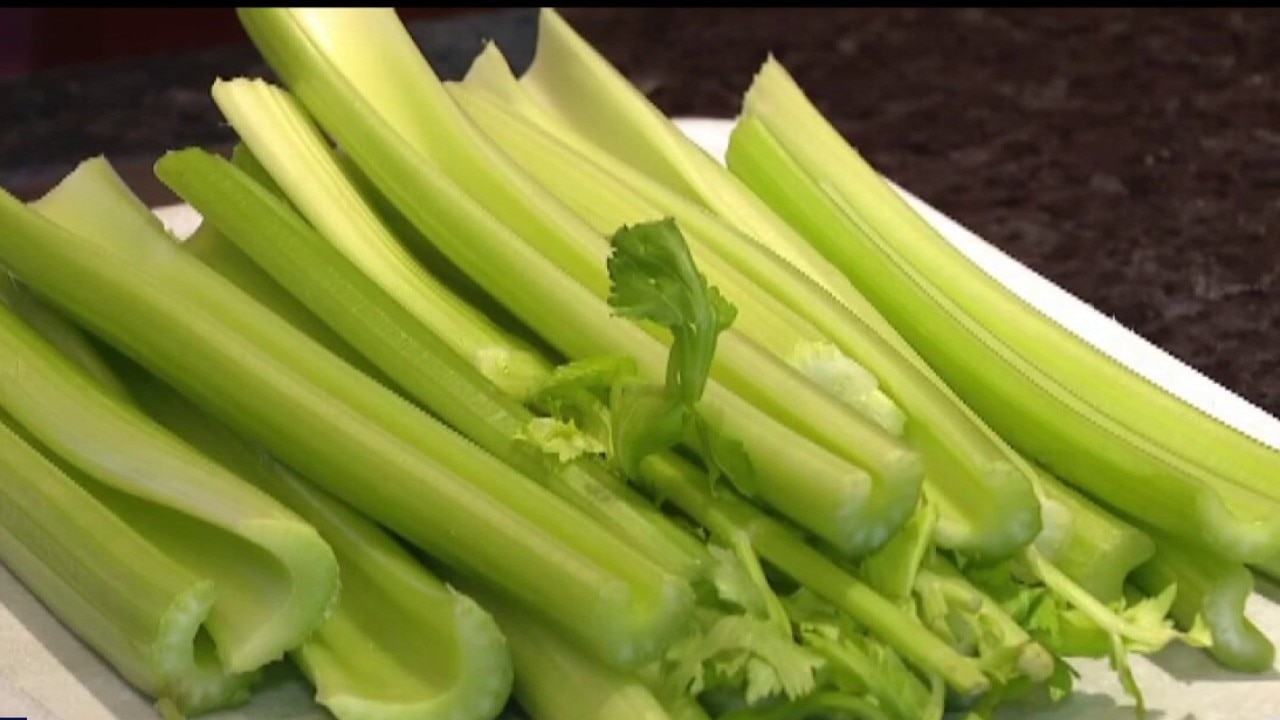
Drones used to detect early crop issues
Florida is a big producer of celery in the winter months, but they are susceptible to early blight disease, leading to costly losses. So, researchers are working on a way to get ahead of it. FOX 13's Briona Arradondo reports.
GAINESVILLE, Fla. - As the nation’s third-leading producer of celery, Florida’s celery fields are valuable crops in the winter but susceptible to early blight disease, which can lead to costly losses.
University of Florida researchers are working on a way to get ahead of it.
What we know:
Specialized drones are flying high to fight disease in South Florida’s celery fields.
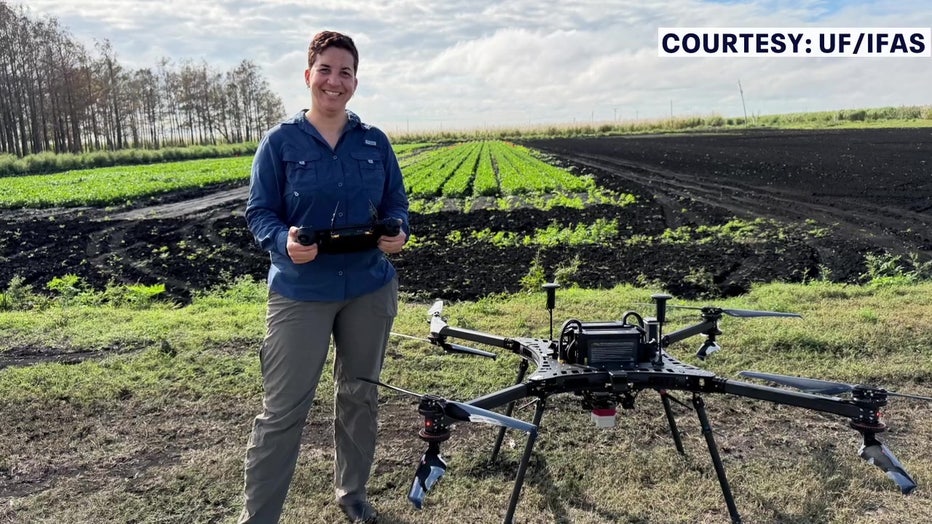
Courtesy: UF/IFAS
"We can actually teach, ‘Oh, this is the disease we want you to detect,’" said Katia Xavier, a plant pathologist with UF/IFAS Everglades.
Xavier said they received the drones last week with the support of two grants.
The drones will take pictures, and they will combine those images with artificial intelligence to develop a model.
READ: Plant City farmers sacrificing this week's harvest to save strawberry season - here's why
As a plant pathologist with the University of Florida’s Institute of Food and Agricultural Sciences, her team is working to detect the signs of early blight disease, looking at healthy and sick celery crops.
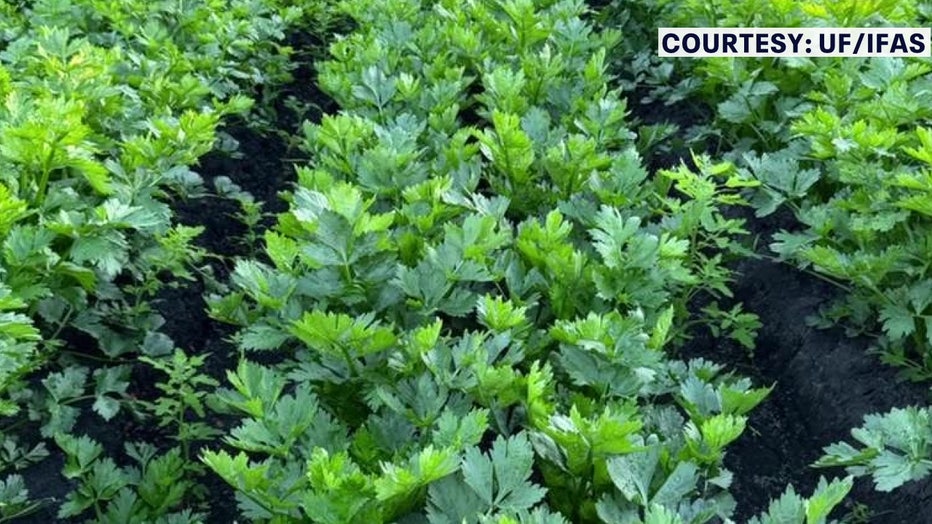
Courtesy: UF/IFAS
The work matters for Florida’s economic bottom line, with Florida being the third producer behind California and Michigan.
"We are especially important because we produce celery during the winter months when the North States are under snow," said Xavier.
What they're saying:
UF/IFAS researchers will follow the crop week by week, as the drones pick up signs that are invisible to the naked eye.
Traditionally, growers like Thomas Thayer use their eyes to inspect leaves and soil.
"When you see that, the symptoms, you've already lost three quarters to two thirds of your roots," said Thomas A. Thayer, owner of Southern Citrus Nursery and T2Groves in Polk County.
Treating that nutrient blockage early saves growers from losing money.
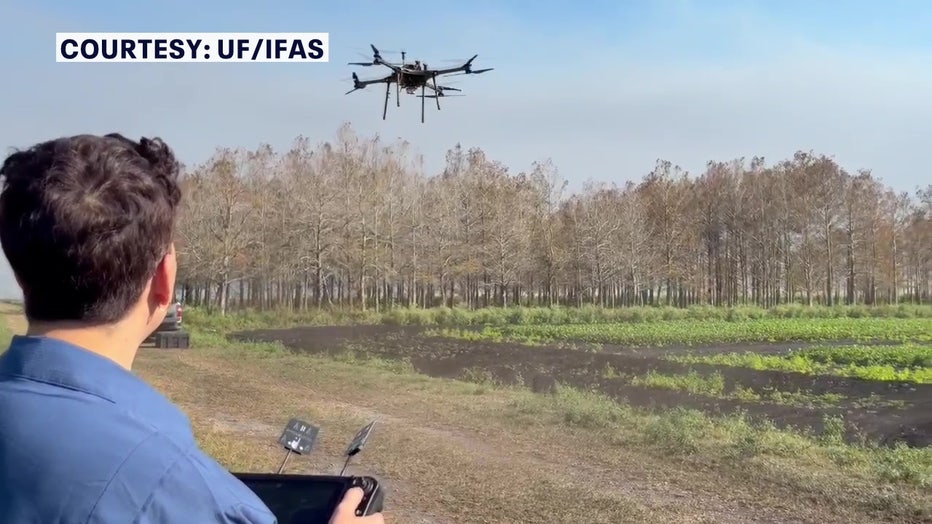
Courtesy: UF/IFAS
Right now, UF is testing the technology on celery.
But Thayer, a citrus grower, can see how it will help other crops too.
READ: Florida citrus industry rebound with new technology after years of decline
"Like our blueberry fields or our strawberry fields, which, you know, here in central Florida have become a strong part of our industry because of the problems we've had with greening in the citrus industry," said Thayer.
Florida grows about 1,500 acres of celery in the Everglades. The project looks to develop a model that pinpoints the disease, so growers know where to treat it instead of spraying entire fields.
"Because we would be applying less pesticides to the crops, that would help the growers because then they have to spray less," said Xavier.
It could help growers like Thayer down the line.
"I see that being a really strong potential to find disease," said Thayer.
What's next:
UF researchers said they are also developing a web platform that growers can use to upload their own drone images from their fields and get disease risk assessments based on local weather data.
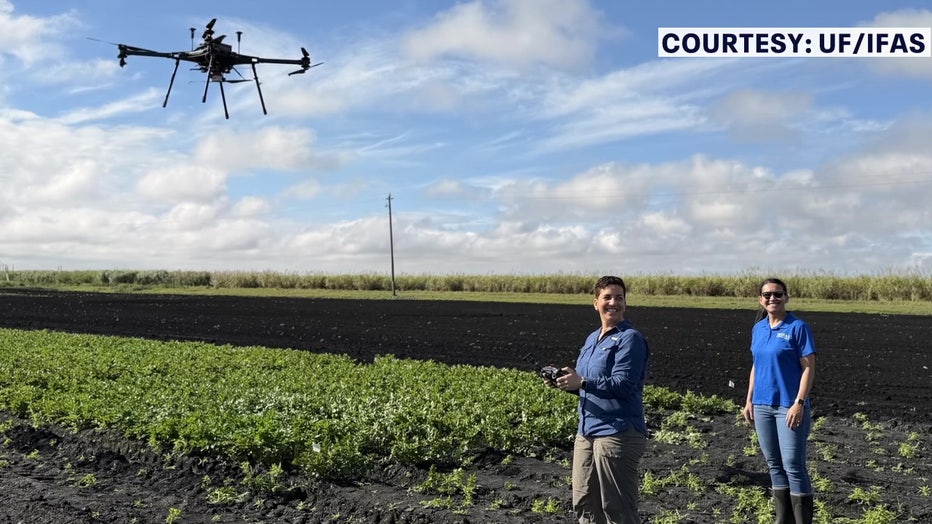
Courtesy: UF/IFAS
UF/IFAS plans to do a drone flight demonstration to show the differences in the crops that show disease during their first celery field day in February.
Xavier said the research is expected to last two and a half years.
The Source: FOX13’s Briona Arradondo gathered information from UF/IFAS in reporting for this story.