

USDA issues disaster declaration for Florida after $3.1 billion in winter freeze damage
TAMPA, Fla. - The U.S. Department of Agriculture secretary signed a disaster declaration on Wednesday, making federal aid possible to Florida farmers following the winter freeze.
"Right now, we're acting as the host here, so that we hope to get a block grant. The federal government does not always do it that way. But since they did for the hurricanes, we're hopeful they will for the freeze," said Wilton Simpson, Florida’s agriculture commissioner.
What we know:
Simpson said his agency moved in record time to get a preliminary report to Washington on the winter freeze periods in late December and January as well as late January into February.
"If we get this done, it'll never happen like this before. It normally takes a couple of years to get everything quantified and get around to funding these things," said Simpson. "But I think we've got a chance to, certainly before the end of the year, to maybe do something really good for our farmers."
He hopes to see some money coming in by the end of the year.
RELATED: Florida citrus growers fear another freeze after statewide crop losses
By the numbers:
The winter freeze in Florida did a number on our crops.
"We knew there would be devastation. We didn't realize there'd be $3.1 billion worth of devastation," said Simpson.
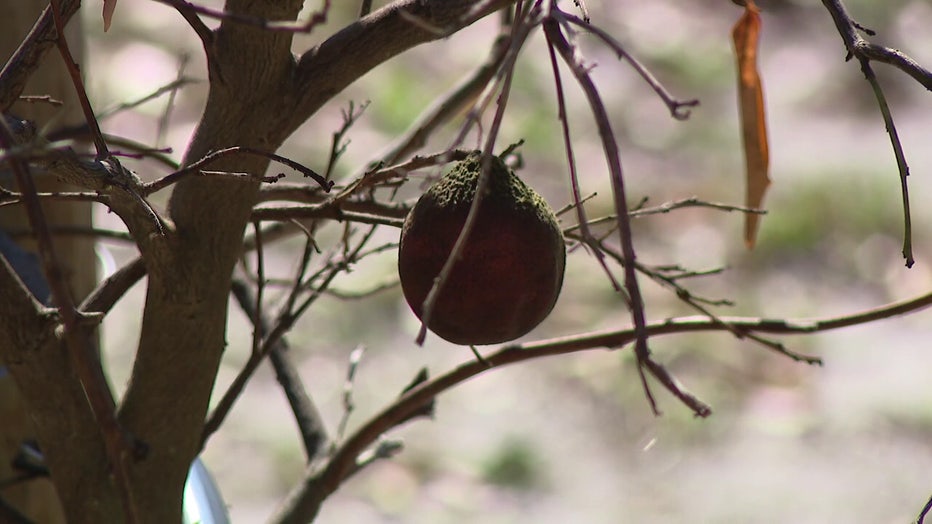
A 2026 report by the Florida Department of Agriculture and Consumer Services found the damage is widespread from vegetables to fruit. Citrus damages are around $675 million, greenhouses and nurseries around $240 million, and sugarcane losses just over $1 billion.
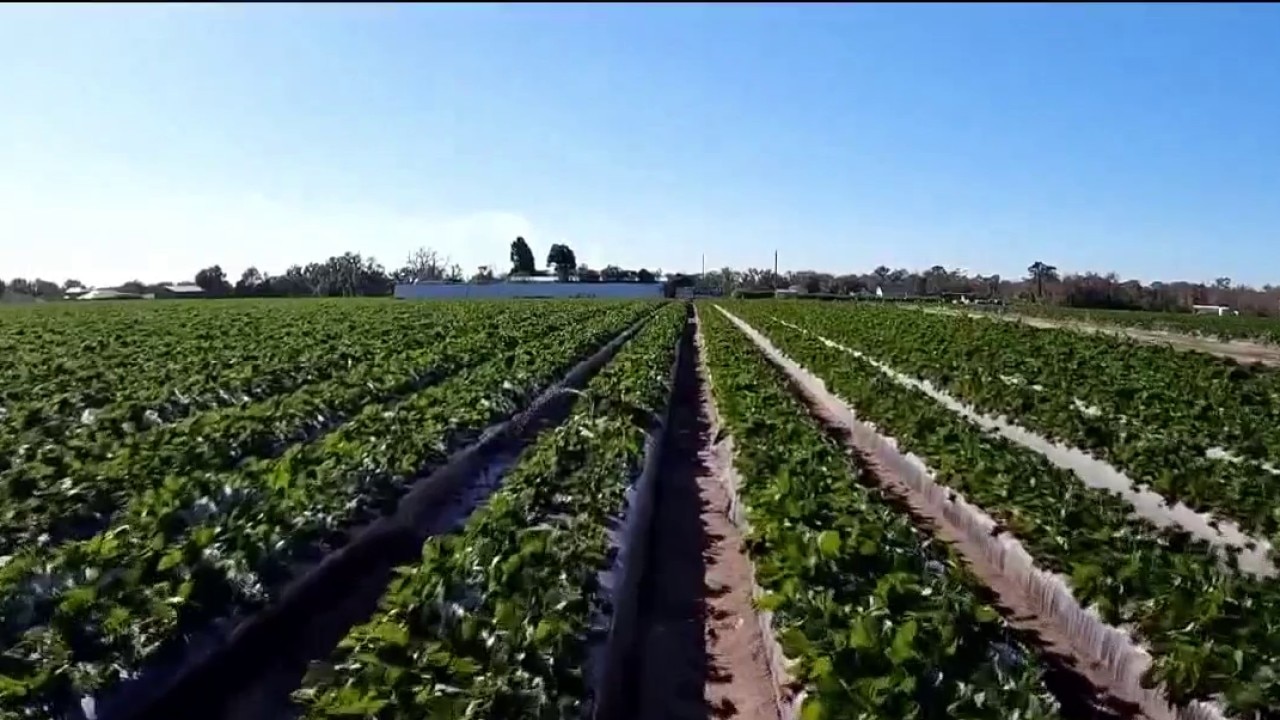
Strawberries and blueberries suffered significant damage, with production losses around 80% of the harvest for strawberries.
READ: Manatee County berry farmer protects crop from freezing temperatures: 'Toughest two nights'
"Some of our blueberries have lost 80 and 90% of a lot of the fields that we had planted. You've lost half of a lot of our products. Remember, we're only halfway through our harvest season," said Simpson.
Dig deeper:
Federal aid does not move fast, as farmers are just starting to see disaster aid from Hurricanes Idalia and Milton.
"The federal government is not known for being very expeditious in regard to assistance. And, that's very hurtful, because we're dealing with producers that are coming into a crop and harvest season right now that need it immediately," said Jeb Smith, the president of the Florida Farm Bureau Federation.
The freeze covered nearly the entire state, with a hard freeze reaching far south of the I-4 corridor, as illustrated in the Florida agriculture report. It affected vegetables like peppers, squash and other crops farmers send outside the state.
"We're the larger producer of winter vegetables on the eastern seaboard," said Smith. "Florida provides the better part of our population in the United States, which is the Northeast, whether there's big, populated centers of New York, Philadelphia, Baltimore, Boston, with fresh fruits and vegetables at time of year."
MORE: Florida looks to detect crop disease early with drones, AI as nation’s 3rd celery producer
What they're saying:
Farmers are assessing the damage, saving what they can and replanting crops if possible, but farm experts said it’s hitting younger farmers, as well as the small and medium-sized farms, the hardest.
"I think if I were to make a plea is that for some of our younger farmers and especially some that regionally and crop wise, they're the most vulnerable and we need to get them that help," said Smith.
The agriculture commissioner said the hurricanes and the freezes stacked even more hardships for farmers, so he hopes to get resources out quickly.
"If you love farming in this state, if you love green space, if you love the wildlife corridors, support your farmers. Go to the store, buy fresh from Florida products," said Simpson.
Simpson said he doesn’t know how much federal aid is coming, but he hopes it’s within he range of the $3 billion of losses reported from Florida.
The Source: The information in this story came from interviews with the Florida agriculture commissioner, Florida Farm Bureau Federation and the 2026 Winter Storms Florida agriculture report. It was gathered and reported by FOX 13’s Briona Arradondo.